



Share
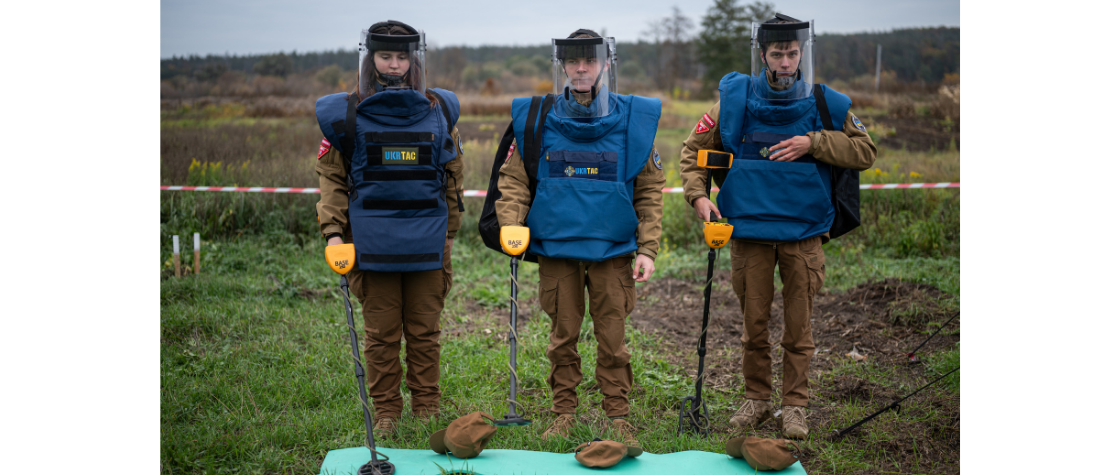
Today, Ukraine stands as the most heavily mined country on the planet. Nearly a quarter of our land remains perilous. No nation could face such a challenge alone. Our only path forward is to reach out to friends and partners for help.
The “Watch Your Step!” Program, launched by East Europe Foundation in the war’s first year with support from DanChurchAid, is one step toward reclaiming safety for Ukrainian soil. Police officers, forest rangers, and territorial defense fighters from across the country – from Chernihiv’s forests to Kherson’s wide steppes – came together for training. For three days, State Emergency Service instructors showed them how to spot explosive threats and recognize danger before it strikes.
Here are the stories of those who moved from uncertainty to confidence – people who learned not just to watch their own step, but to guide others safely as well.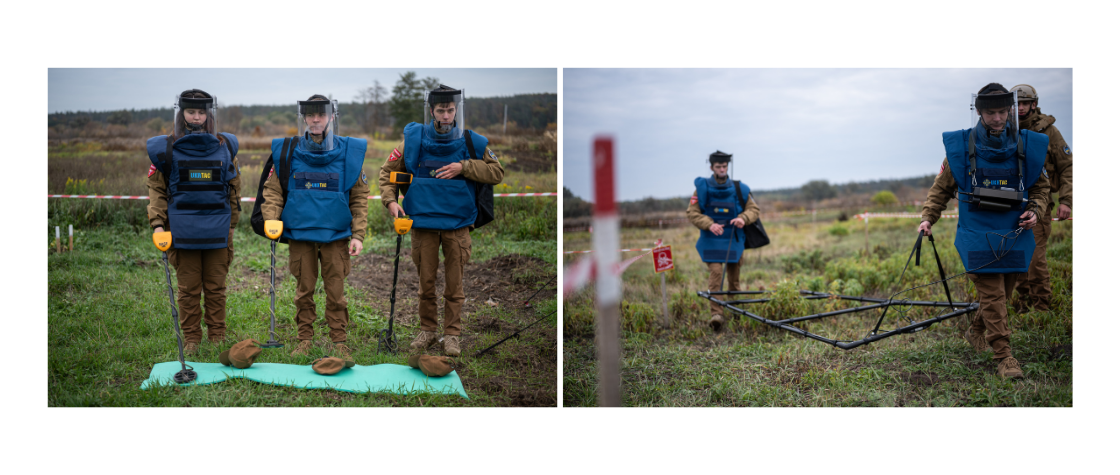
There are no such things as former mine clearance experts, but I never thought my country would one day be at war and that I would have to refresh my professional skills in retirement. My friend Valerii and I are deminers. We studied together, served together, and then founded a security company together. When full-scale war broke out, we were already over 55, but we couldn’t just sit quietly at home. We decided to help with our knowledge and hands to expand our scope of work and engage in demining.
I found myself in an explosives identification course in Pereiaslav: lectures, hands-on drills, and young State Emergency Service instructors who seemed to know every fuse and bolt by heart. Watching them, I was struck by their expertise – true professionals of a new era. It felt like stepping back into my youth, back to school, but this time the stakes were real, the munitions new, and the responsibility heavier. What moved me most was seeing people of every age and background come together, united by a desire to help.
After training, I returned to my home community in the Kyiv region. My first call took me to a garden where an old F-1 grenade from World War II had surfaced. The next was deep in the forest, where a woman picking mushrooms discovered a modern mortar shell. These moments marked a turning point for me. Our company soon earned certification in seven humanitarian demining processes, from public awareness to clearing waterways.
We started from scratch, and now we have a team of about ten people. Among them is a young woman, Anastasiia, who’s a diver and a dog handler. I ask her, “Aren’t you afraid?” and she replies, “No. If not me, then who?”
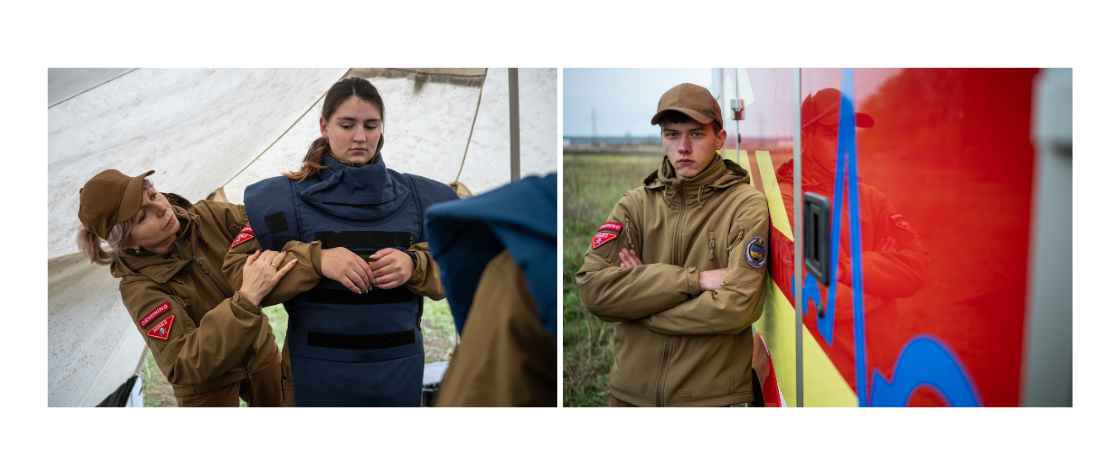 Our team is made up of former mine-clearance experts, each with their own story. One colleague has defused thousands of explosive devices. We use a small robotic system to find cluster munitions in fields, and drones to map the magnetic fields of lakes.
If you want to understand how divers work, go into a room, turn off the lights, and try to find something there. That’s how water demining works. Here, only a tactical approach works, meaning we search half a hectare of the lake by hand. It’s long, slow, and meticulous work.
We do more than clear mines; we teach and inform. More than 500 children have heard our message: “Don’t go near it, don’t touch it, call 101.” I remember once, while explaining tripwires, a child raised a hand and asked, “Do you know that if there’s a tripwire, there’s a mine somewhere nearby?” Moments like that remind me why our work matters.
When people hear the word “sapper,” they imagine a steel helmet and dry instructions. For me, it is about an inner light inside that never fades. If not us, then who? Our motivation is simple: when people ask, we can’t say no. Most of our work is done for free – checking fields and beaches. Communities aren’t always able to pay for this, but everyone deserves to walk, swim, and live in safety, no matter the cost.
I often say that deminers are surgeons of the earth. It may sound grand, but our land and waters truly need people who are unafraid to heal them.
I had already fled my home once before, escaping the war in Luhansk in 2014. I built a new life and joined the Irpin police, slowly piecing things together. But fate has a way of circling back. It led me to serve with the police again in Sievierodonetsk, Luhansk Oblast. That is where I found myself on the morning of February 24, 2022, helping locals evacuate. I can still hear the rumble of evacuation trains carrying stressed adults and frightened children into the unknown.
In March 2022, after many years of service, I retired. My family and I moved to Irpin. My husband joined the municipal guard, and I could not sit idle either. The liberated city was littered with shells, debris, and tripwires. Returning home was dangerous as every step carried risk.
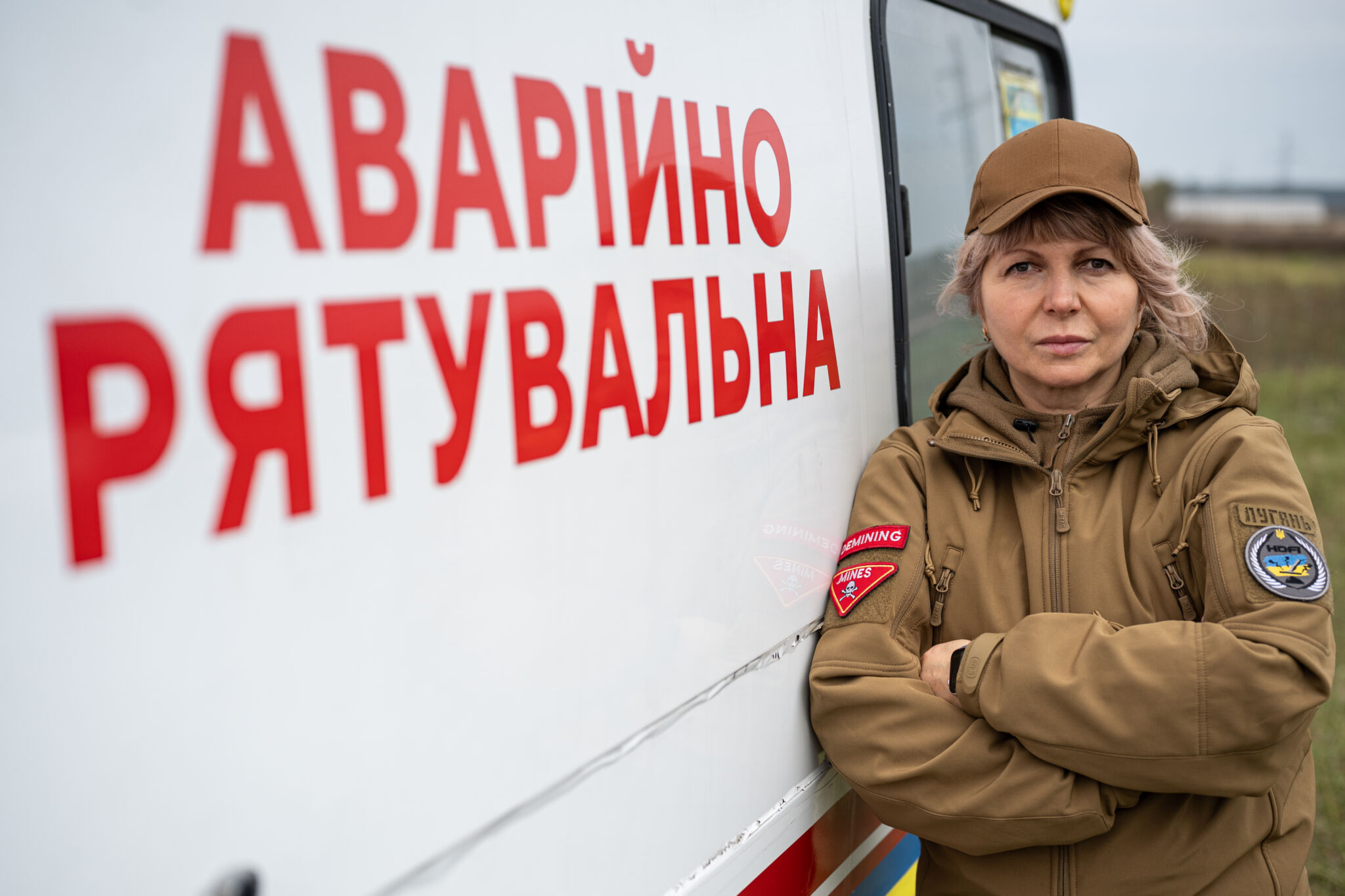
A group of volunteers came together – those were not soldiers or deminers, just people who could not watch children play near unexploded shells. We drove through the city, collecting anything dangerous we found. Soon, we realized we needed more knowledge. Two friends and I joined a training course run by East Europe Foundation. Of the 30 participants, only two were women. Instructors led us into the forest, revealing the hidden traps of war among the pines. I remember catching a string between the trees – my heart dropped, then a loud bang. It was only a demonstration, but the fear was real. That training taught me to treasure every moment when the ground beneath my feet is safe. Sometimes, a single misstep can cost a life.
After the training, we founded the Humanitarian Demining Foundation in Irpin. My official role is occupational safety engineer. Over time, I learned not only to identify mines, but also how to clear them.
People often wonder why I chose to become a mine clearance expert. It’s because of my father: he grew up in the 1950s, in the aftermath of World War II. As a little boy, he found a grenade fuse that exploded and injured his arm. He lived with that injury for the rest of his life. Now, I watch history echo through new generations.
My team and I work in Irpin and beyond, traveling to nearby towns. Once, a woman spotted a hole on her doorstep and froze in fear. Inside was a shell that, by some miracle, had not exploded. One more step and she could have been killed. Another family, returning after de-occupation, noticed handprints on a dusty children’s piano. When we lifted the lid, we found a tripwire. It’s terrifying to imagine what would have happened if a child had pressed even a single key. This horrible thought still haunts my sleep.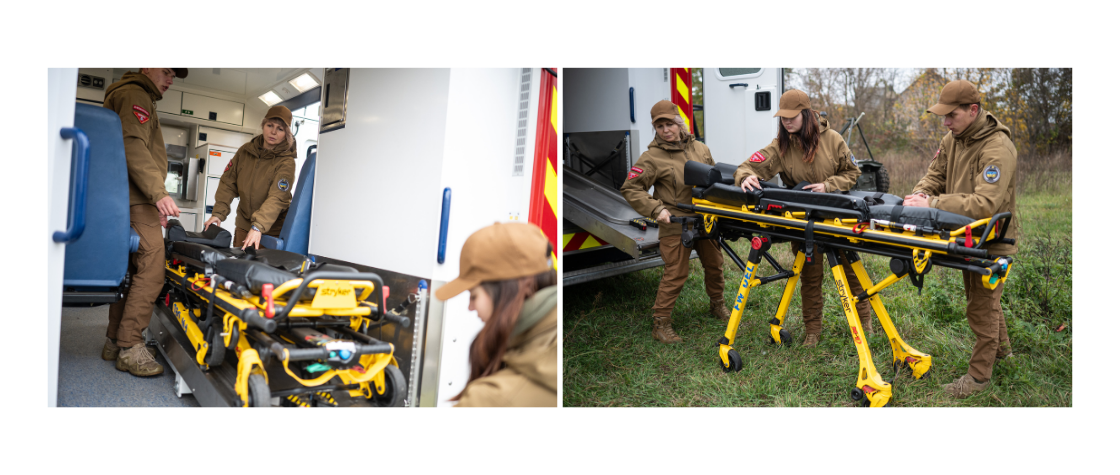
The most frightening part is how ordinary these dangers appear. I recall teaching schoolchildren about hazardous objects, showing them slides. Suddenly, a boy raised his hand and said he had something similar on his bookshelf at home. We hurried to his house and found a combat detonator nestled among his books.
Some people think we need to teach children to be careful, but even adults in the de-occupied territories aren’t afraid to go into the woods to pick mushrooms, saying, “Our dog ran through there, so it must be safe.” But while looking for mushrooms, you might find a tripwire. I won’t set foot in the woods again, and I ask others not to go to places that bear the scars of war.
We are all learning to live amid constant danger, but vigilance can save us. The full-scale war has been going on for almost four years, but we are still finding World War II shells. Every demining mission is dangerous, but we understand that we bear the responsibility for the lives we save.
I hold onto the hope that one day these stories will fade into memory, and the forests will offer only mushrooms, not hidden dangers.
Мрію, щоб колись усі ці історії стали просто спогадами, а в лісі замість розтяжок були гриби.
I’m from Kyiv. I graduated from the university’s military department, so I received training and was commissioned as a reserve officer. However, I chose a civilian profession: I worked as a martial arts coach, teaching children judo: how to fall, get up after a strike, and not give in to fear. Unexpectedly, it was discipline that came in handy for me on the front lines.
After the full-scale war began, I joined the territorial defense. I understood that I wanted to be useful to the country, and also that knowledge of ammunition could save lives. That’s how I ended up in a course on identifying explosive objects. When the course began, they told us right away: “You are not bomb disposal experts; we won’t be teaching you how to clear mines. You are simply people with more knowledge than the rest. You’ll be able to recognize various types of ammunition.” The instructors taught us the theory, then took us into the woods to show us firsthand what traps look like and where mines are most often hidden.
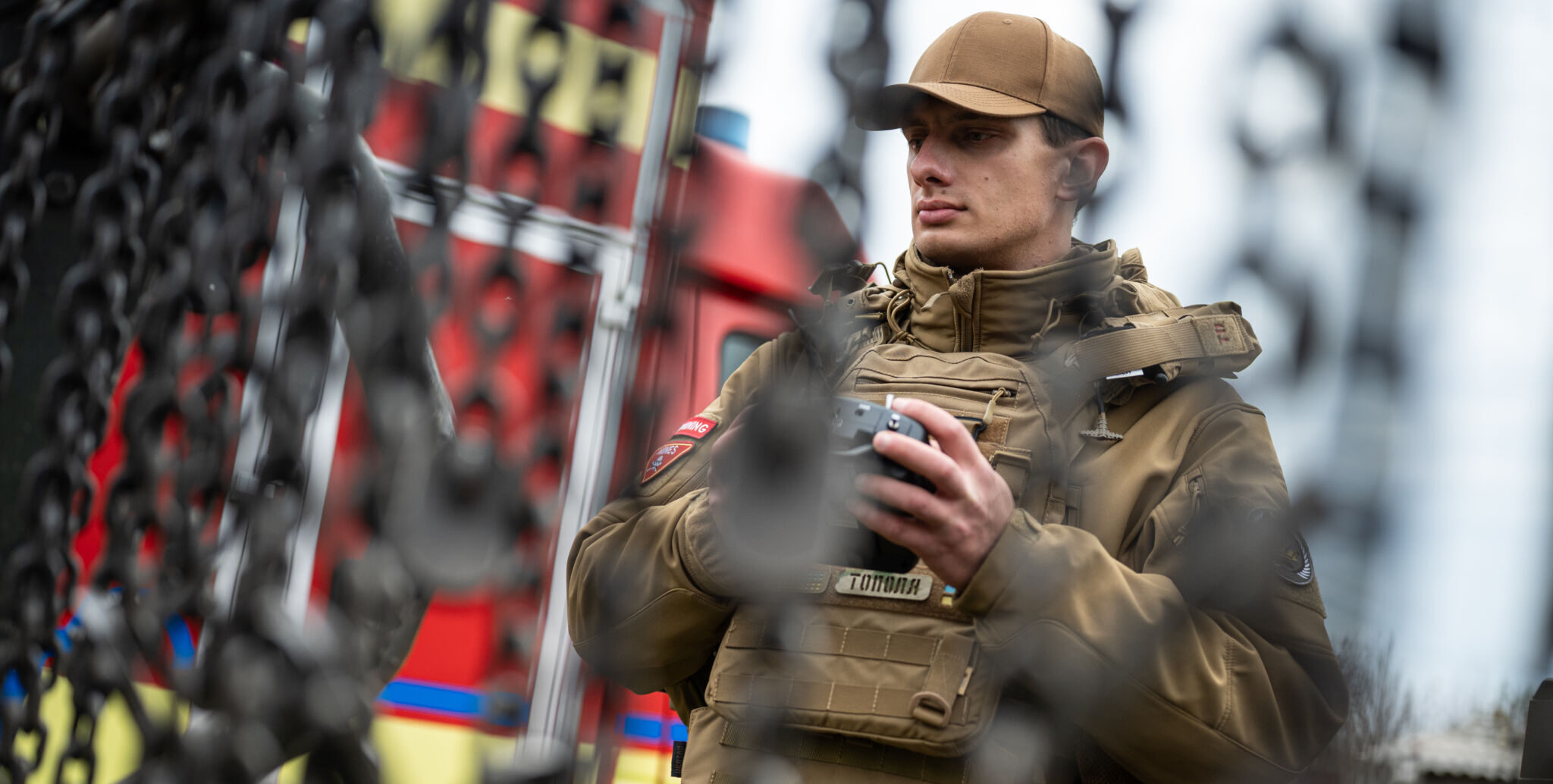
Though I am not a deminer, I have handled explosive ordnance across different fronts. Now, I command a small, independent long-range strike company. We scout, often using drones to hit enemy positions deep behind their lines. The lessons I have learned have repeatedly saved us: my comrades and I have found unexploded shells and called in the experts. The most vital rule is simple: if you are not an explosives technician, do not touch, do not approach, and do not even consider handling unknown objects. The enemy sets traps, mines supply routes, and drops small munitions from UAVs. Those most at risk are the people on the ground, such as farmers, residents of de-occupied towns and villages. They must remember the basics: do not touch, mark the spot, and alert the State Emergency Service.
Knowledge is the antidote to fear. The more you understand, the more calmly and clearly you can face any challenge.