


Share
Modern Learning Spaces is a project supporting the establishment of a modern learning environment in academic lyceums across Ukraine – schools for students in grades 10–12, where they can choose their study profiles, additional subjects and elective courses, and prepare for admission to higher education institutions.
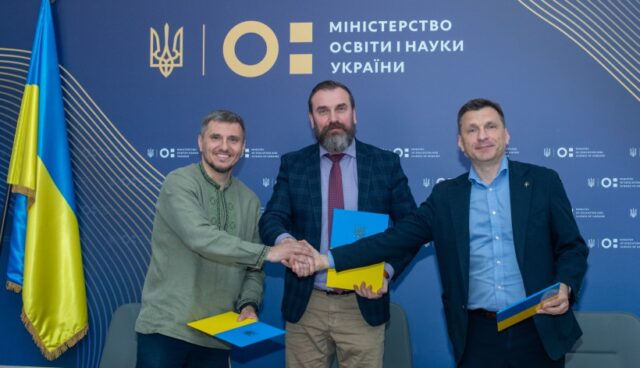
It is implemented by the Ministry of Education and Science of Ukraine within the World Bank’s Lifting Education Access and Resilience in Times of Need (LEARN) Program, in partnership with East Europe Foundation and socially responsible businesses. Project partners include SCM (Metinvest and DTEK), EPAM Ukraine, Quantum Systems Ukraine, and other companies.
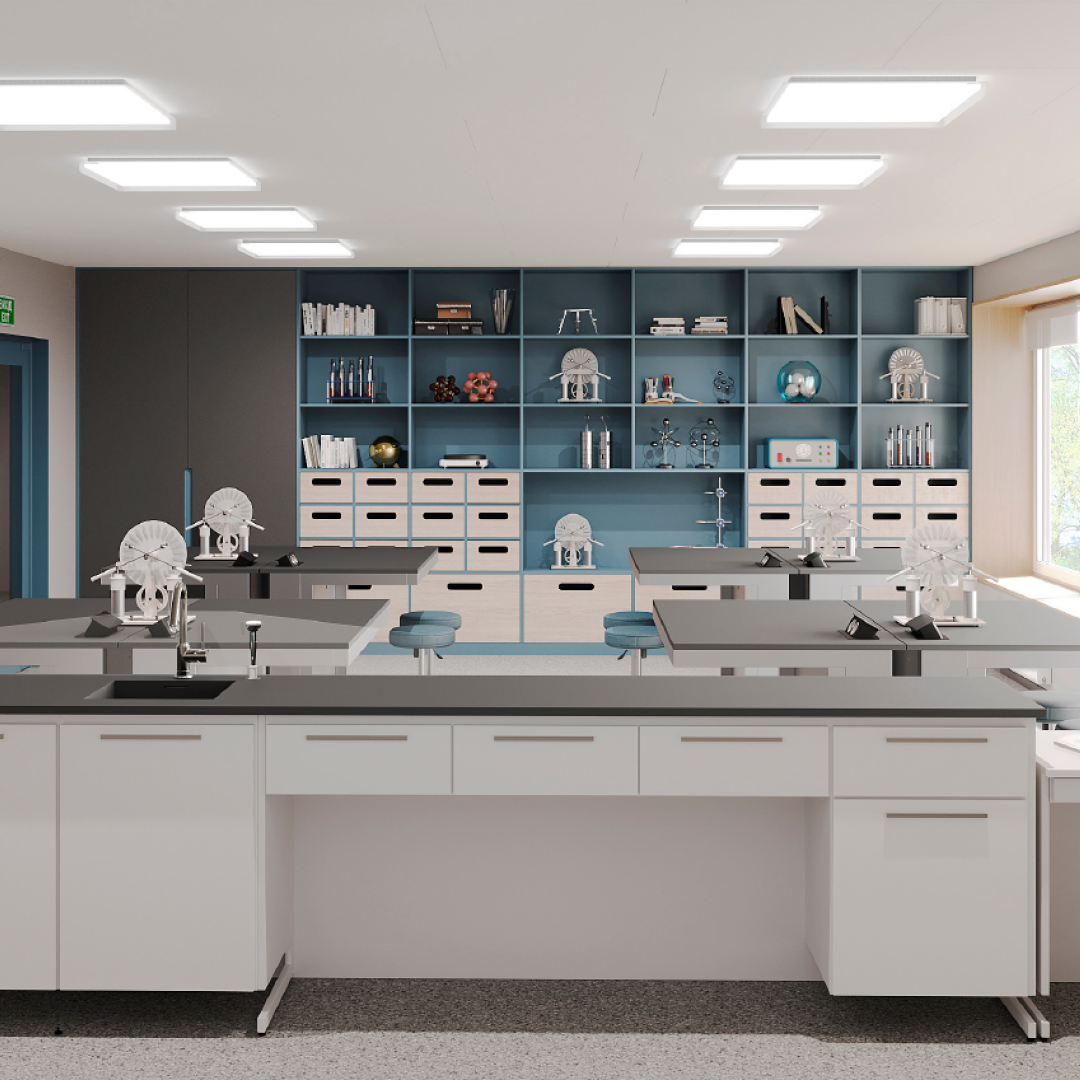
The initiative is part of Ukraine’s upper secondary education reform and responds to the growing demand for engineering, technical, and science professionals. The goal is to create modern learning environments where students acquire knowledge through hands-on practice, research, and project-based learning. These spaces combine science classrooms (chemistry, biology, physics, and geography) with STEM laboratories for robotics, programming, and technology.
In 2026, the Ministry of Education and Science of Ukraine plans to allocate 3.2 billion hryvnias to establish modern learning spaces in schools. Of this amount, 1.9 billion hryvnias will be dedicated to academic lyceums. The funding will be used to procure educational, multimedia, and computer equipment, as well as modern furniture for classrooms and laboratories. By 1 September 2026, at least 143 pilot academic lyceums are expected to begin operating under the new upper secondary education standards.
Schools are supported by the Implementation Support Team (IST), which provides assistance throughout every stage of establishing the learning spaces – from planning and coordinating renovation works in line with the Ministry’s guidelines to monitoring the quality of implementation.
Modern Learning Spaces provides comprehensive support to schools, including the establishment of learning spaces, teacher professional development, methodological support, and the development of educational content.