



Share
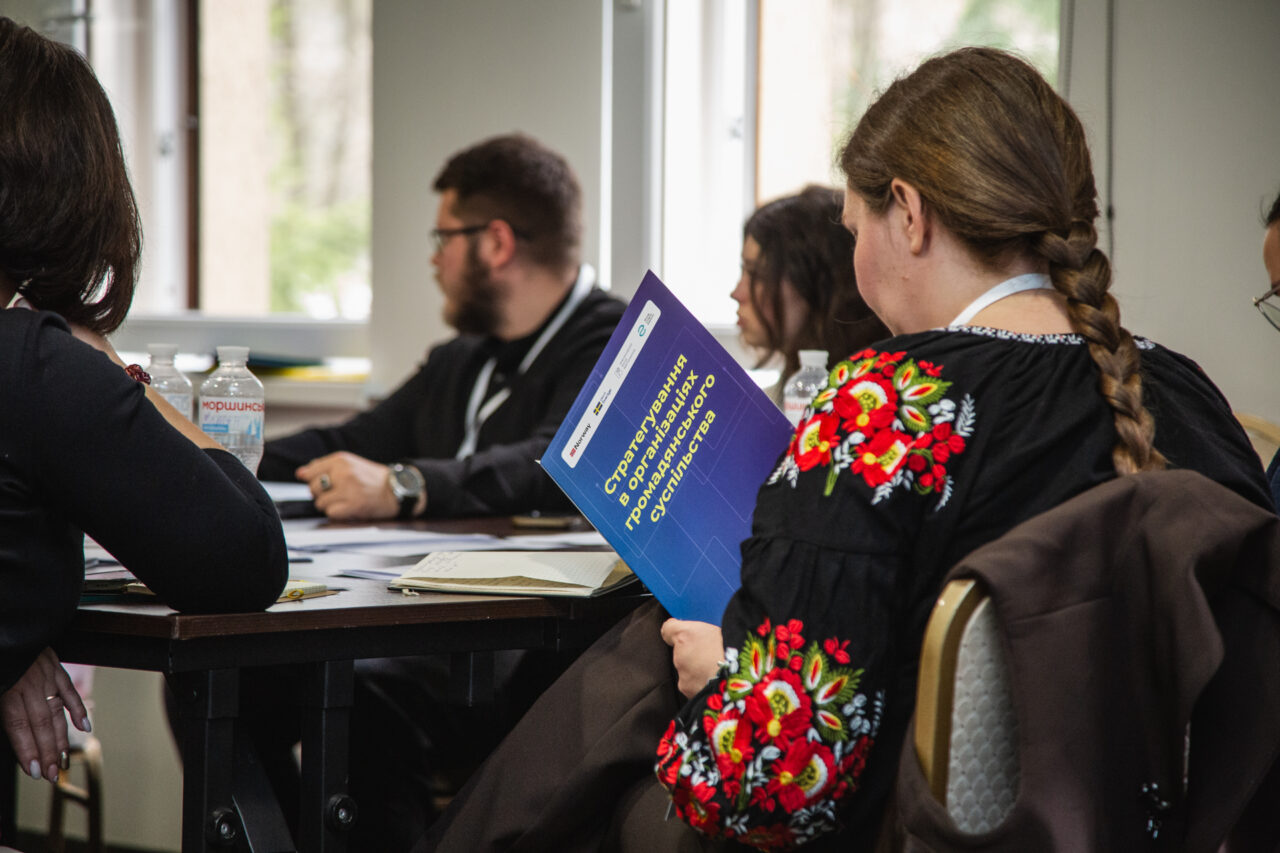
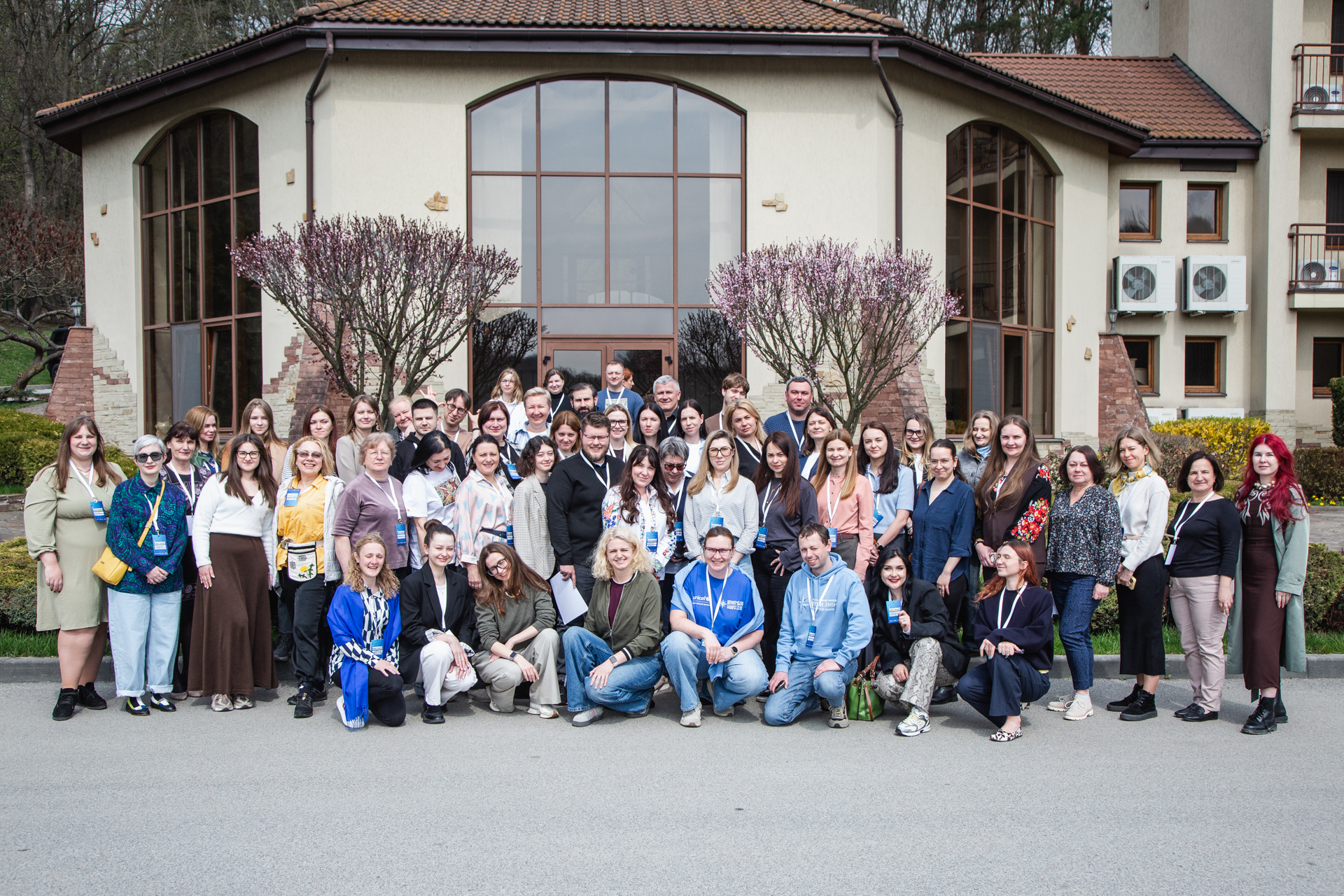
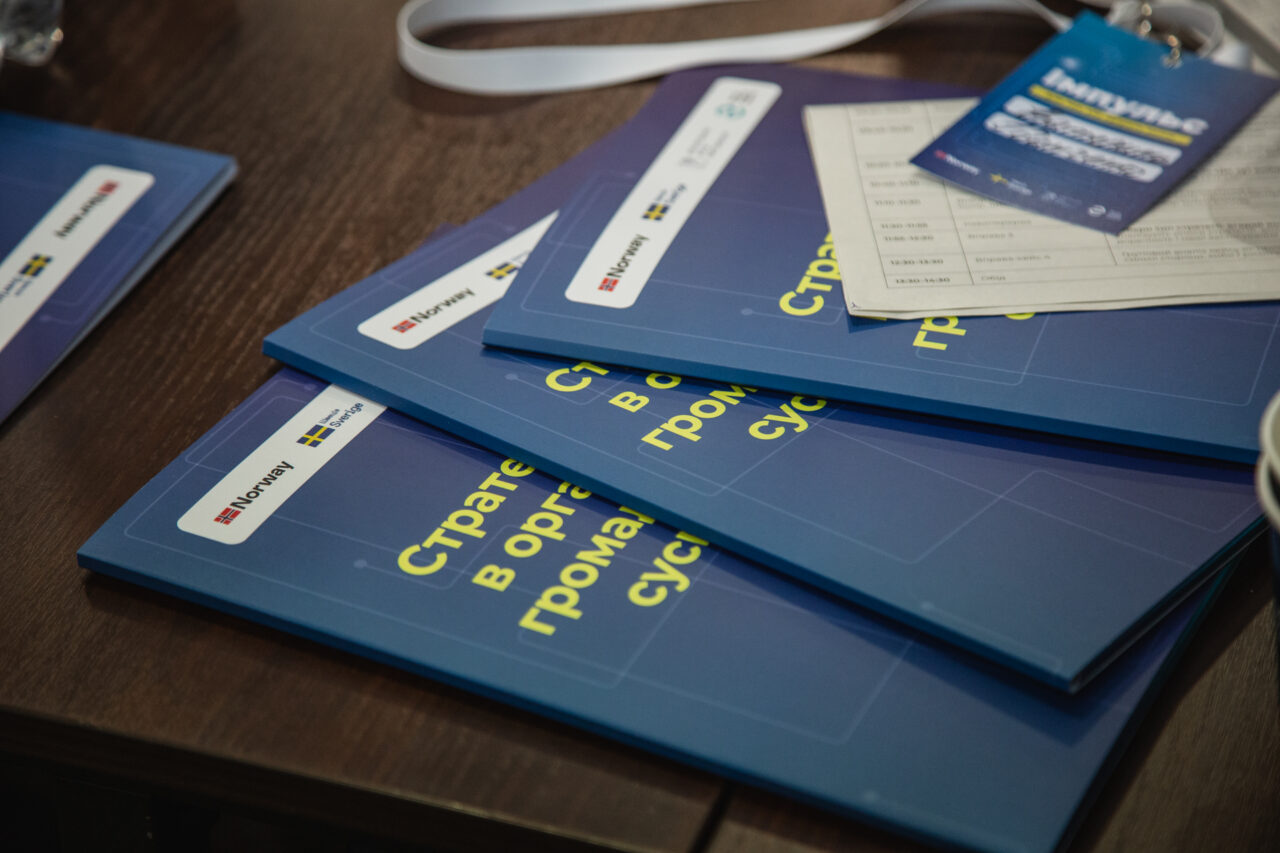
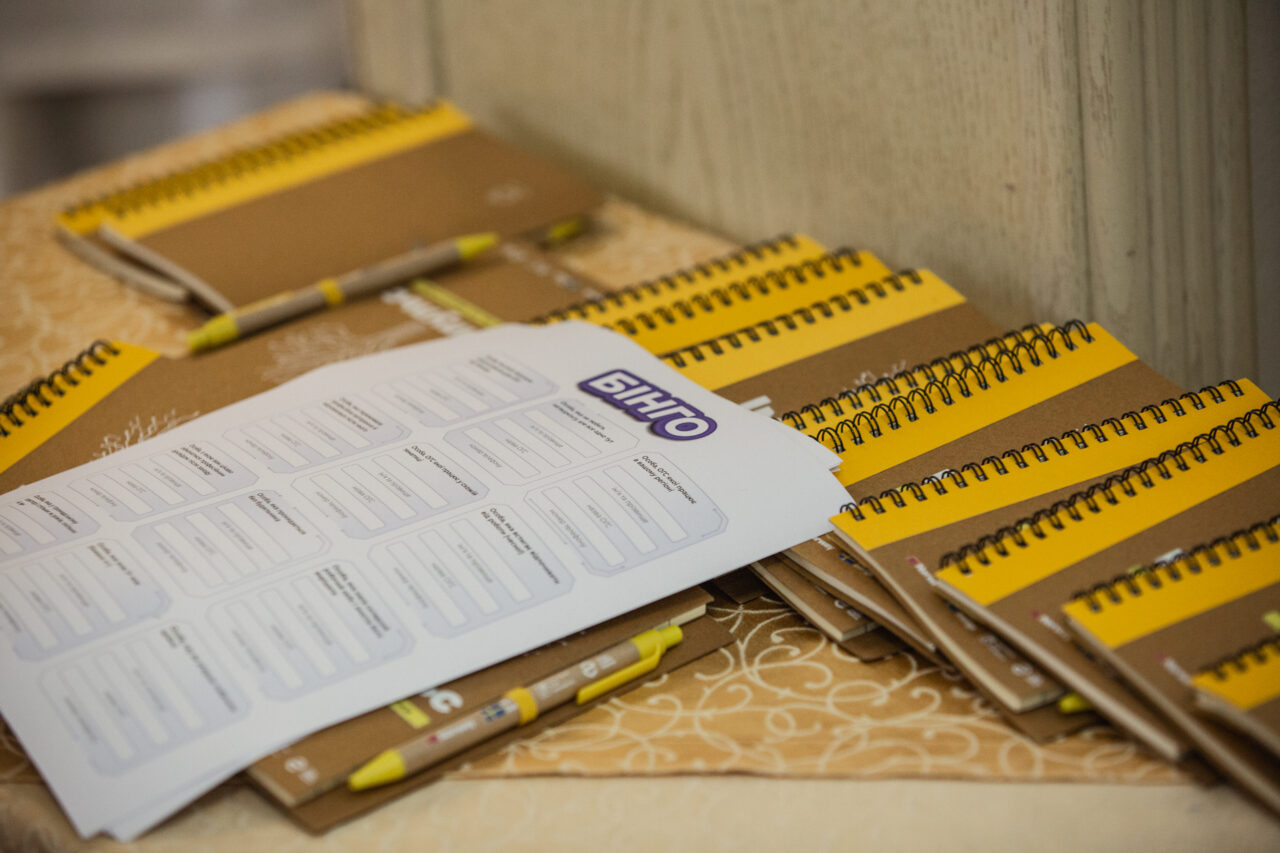
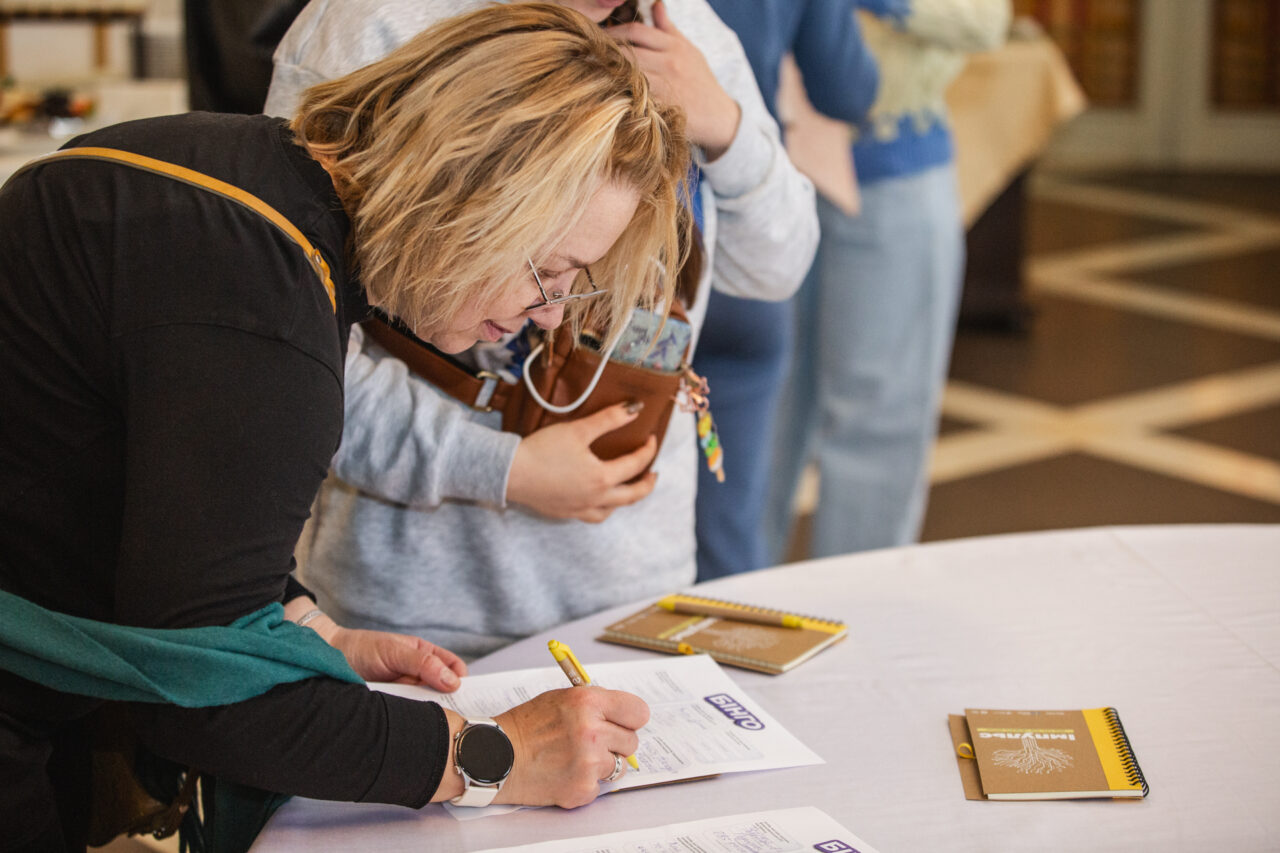
The Foundation’s team organized a three-day workshop in the western part of the country for institutional grantees of the Impulse Project.
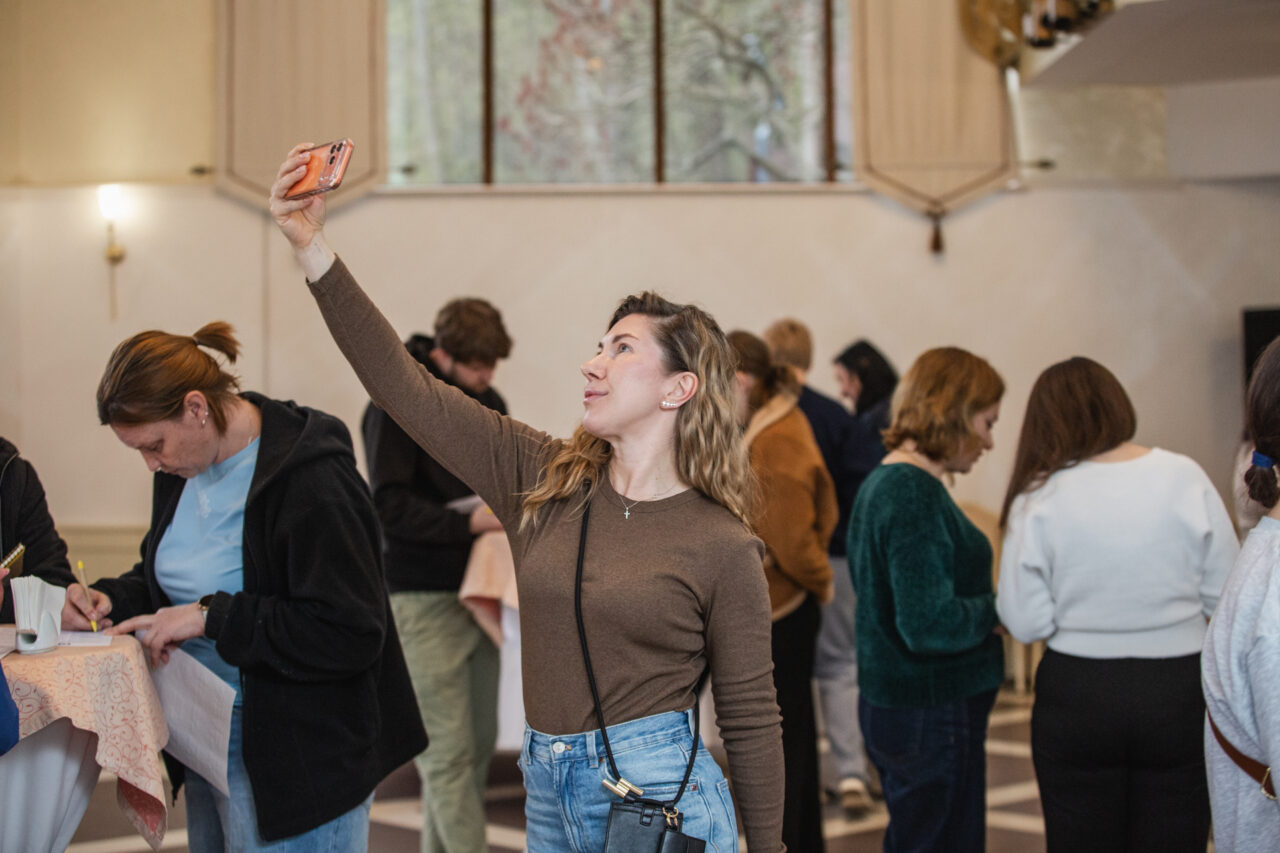
For us, it was important not only to put together a strong training block for our partners but also to provide a comfortable space for networking and emotional recharge. The event brought together more than 50 participants from various regions of Ukraine that were most affected by hostilities.
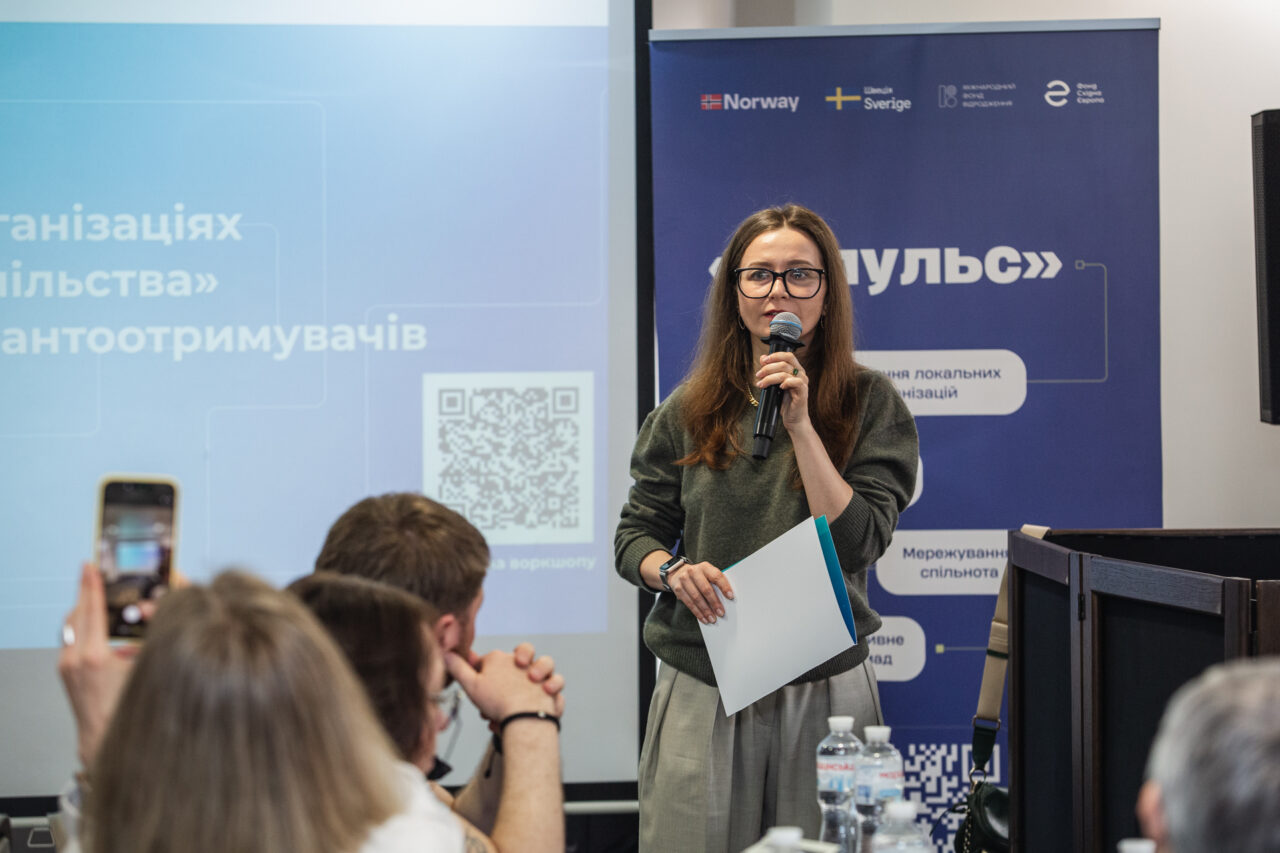
Together with Solomiia Borshosh, an expert in strategic planning and evaluation of institutions and programs with social impact, the participants used strategizing as a practical tool for their organization’s daily activities.
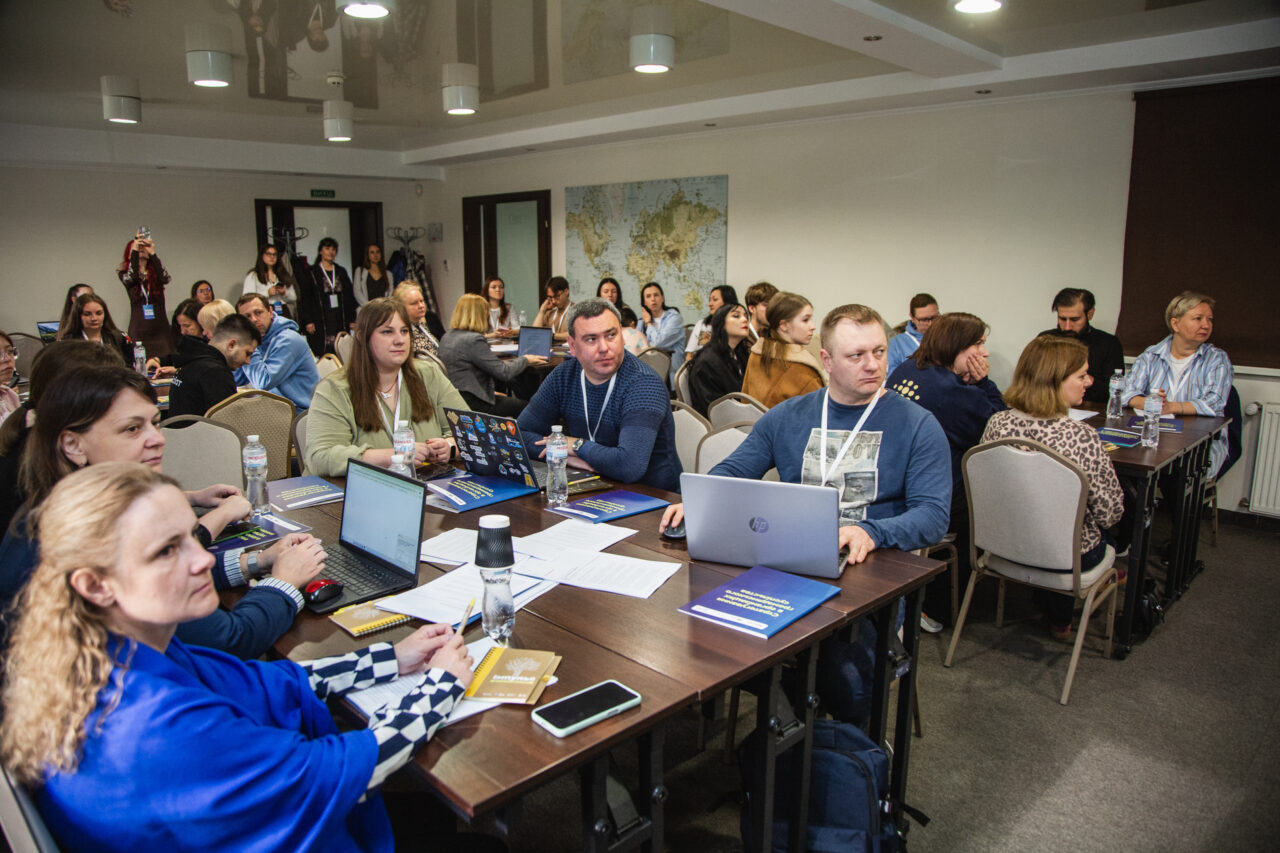
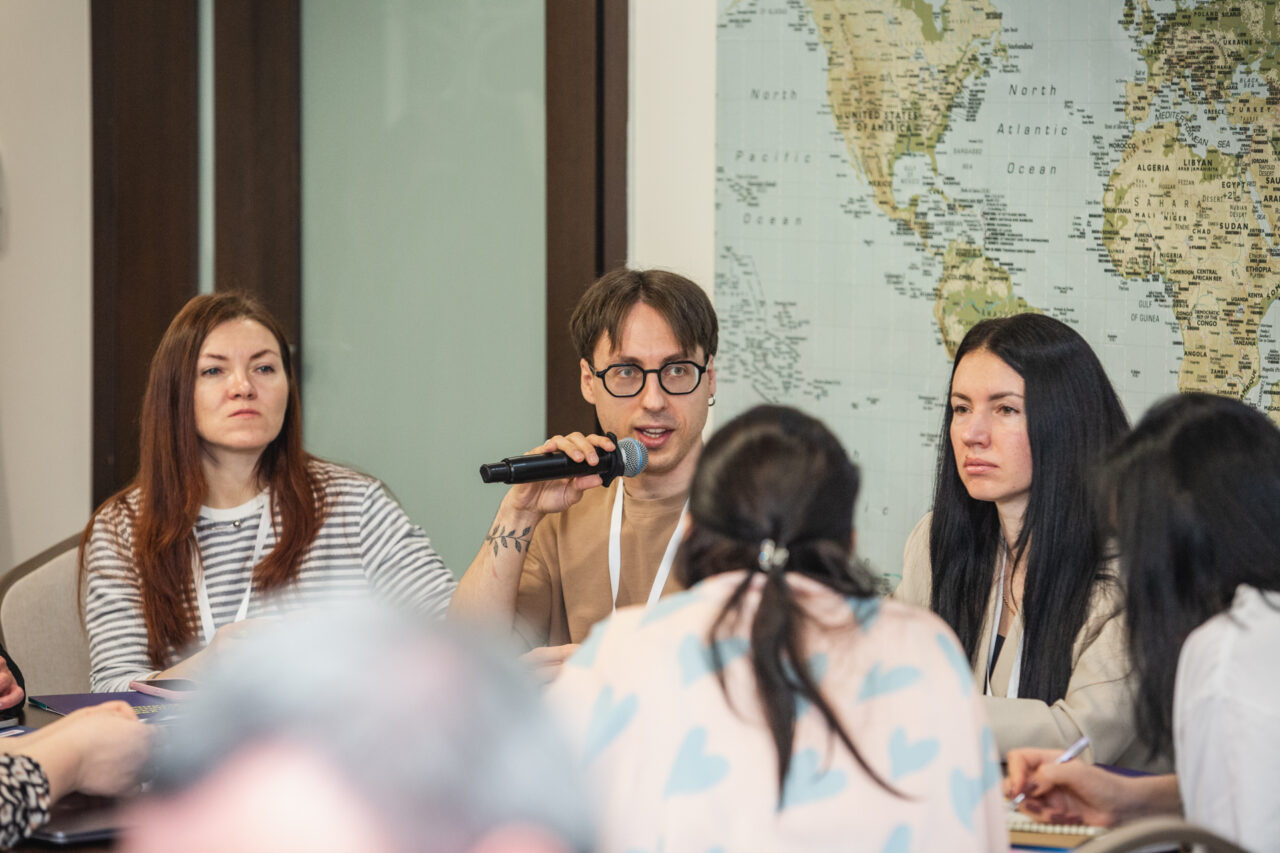
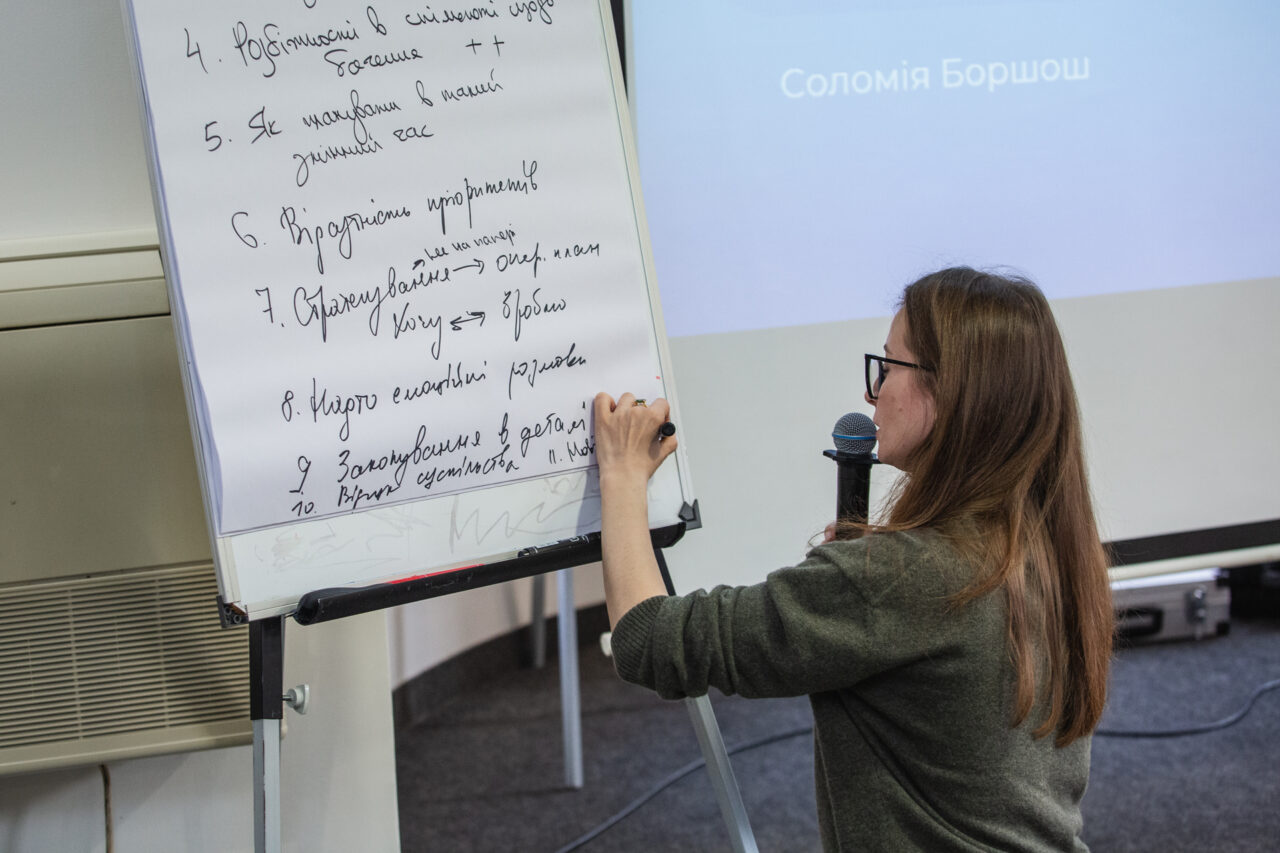
They discussed ways to design a shared vision, set priorities, and make decisions in times of uncertainty. Special emphasis was placed on ways strategy helps an organization keep its activities consistent, avoid spreading resources too thin, and respond to challenges without losing focus.
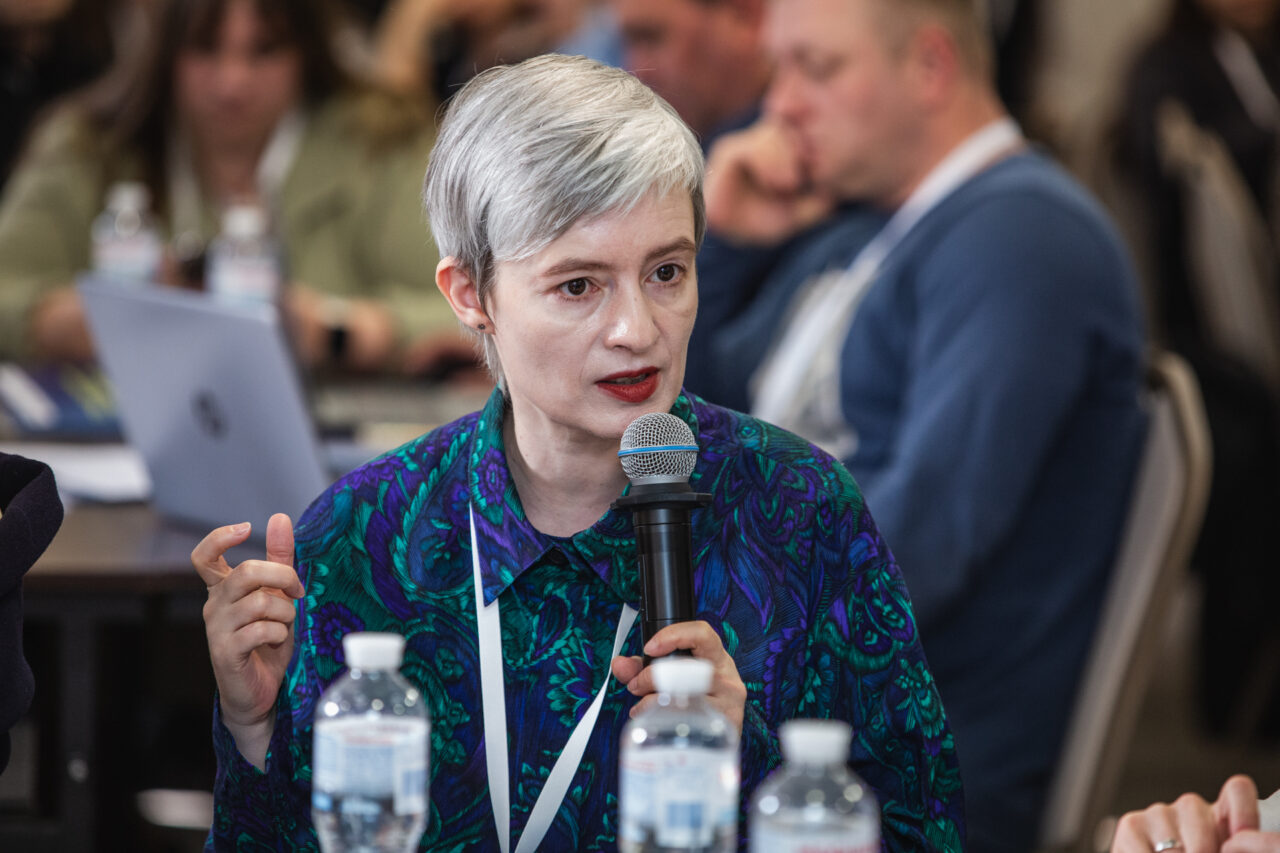
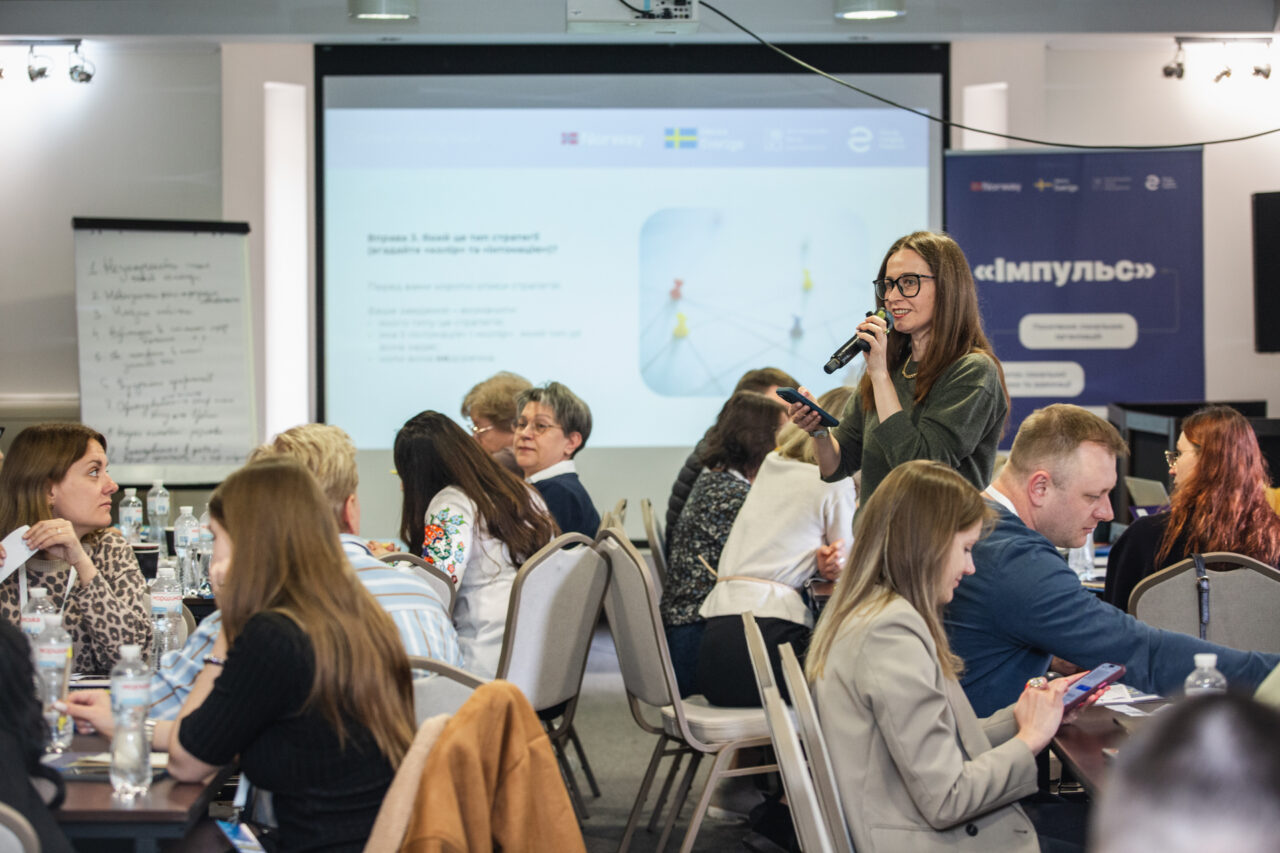

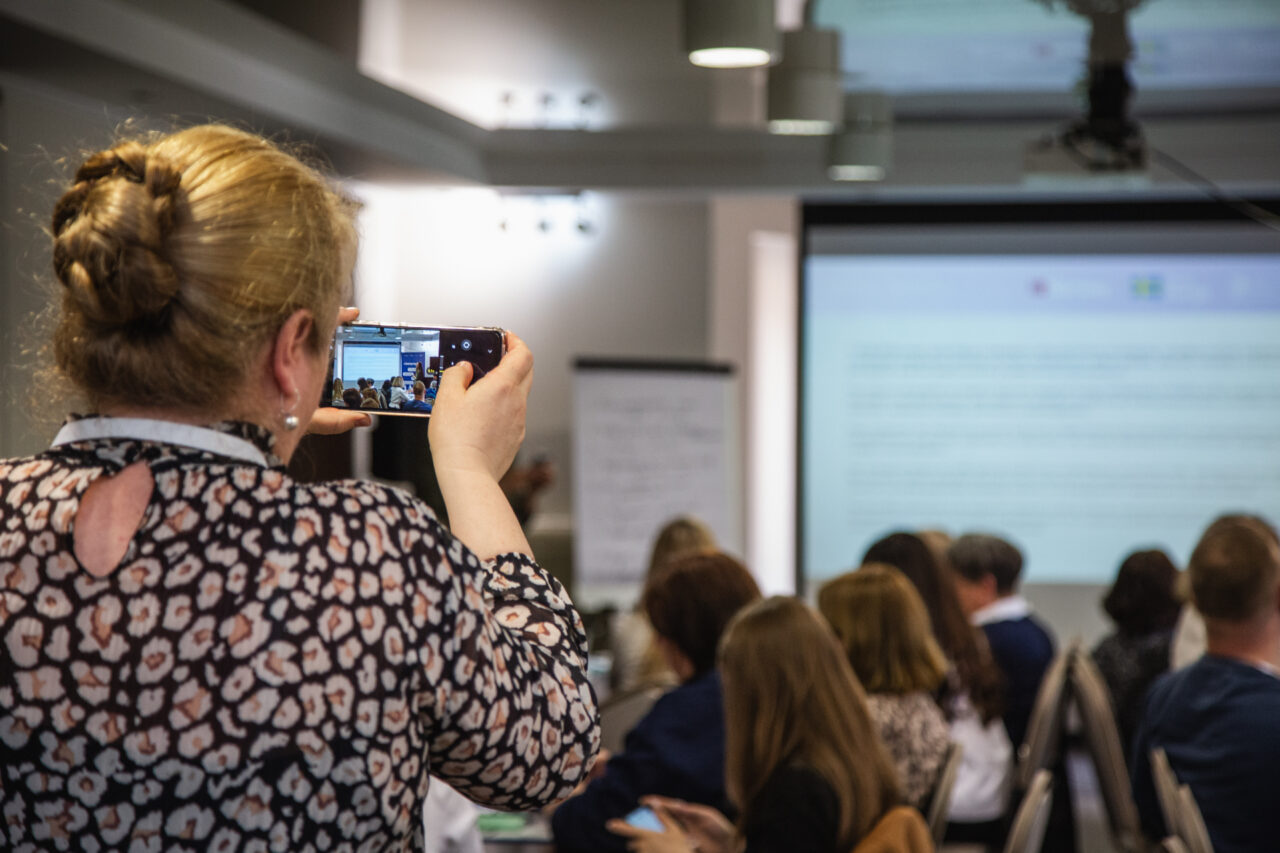
During the workshop, participants analyzed their context, worked with goals and outcomes, learned to set a logic of change, and combined ambitious intentions with realistic planning.
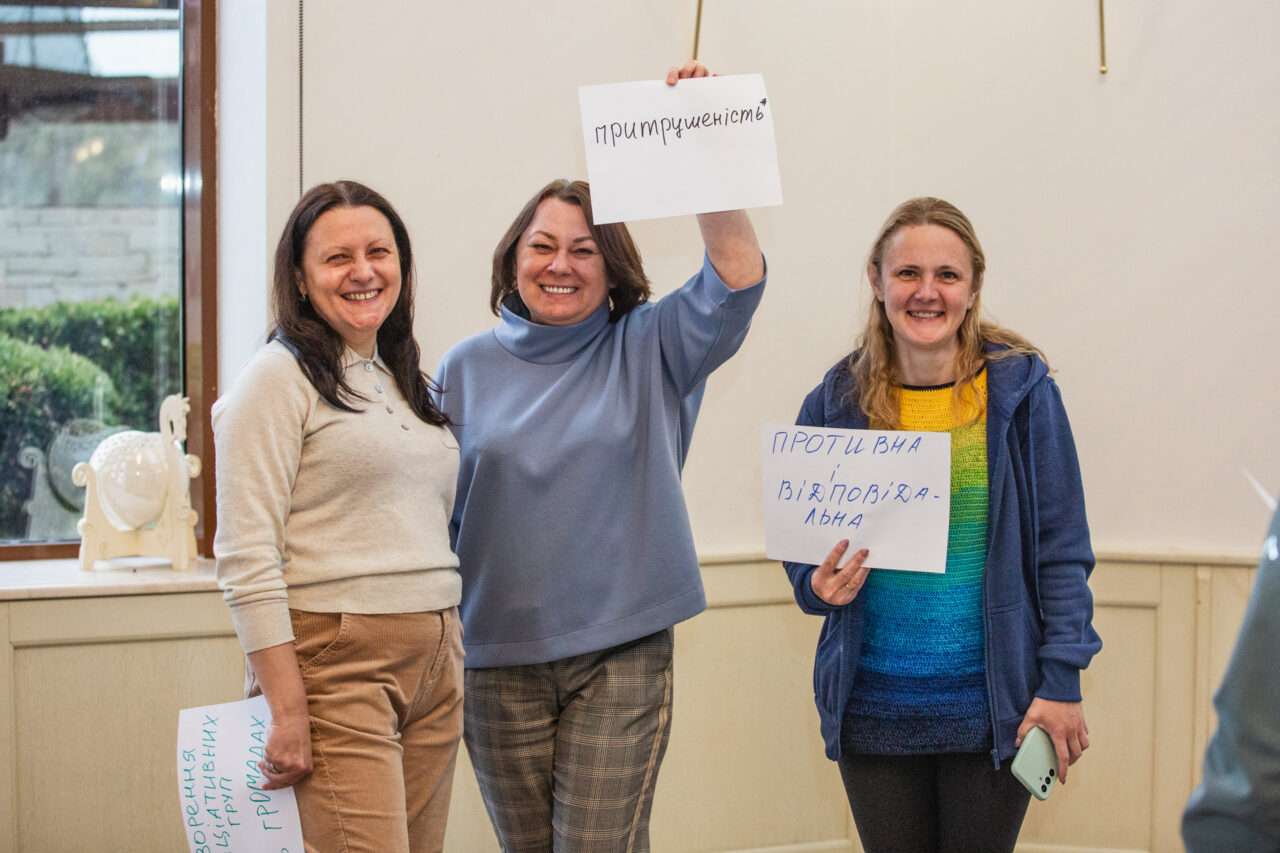
Practical exercises and group work allowed them not only to gain a more profound understanding of strategizing approaches but also to immediately apply them to their organizations, with the opportunity to get feedback from their peers.
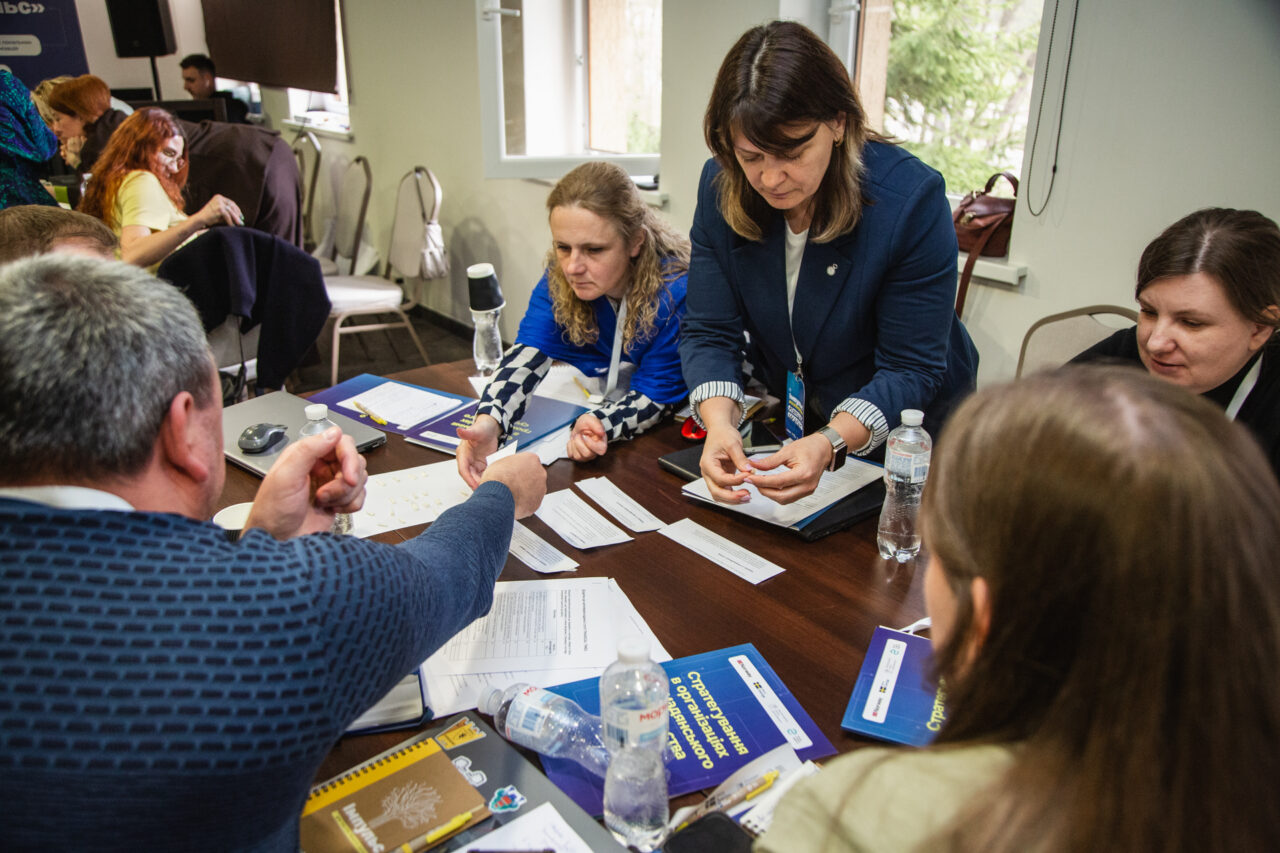
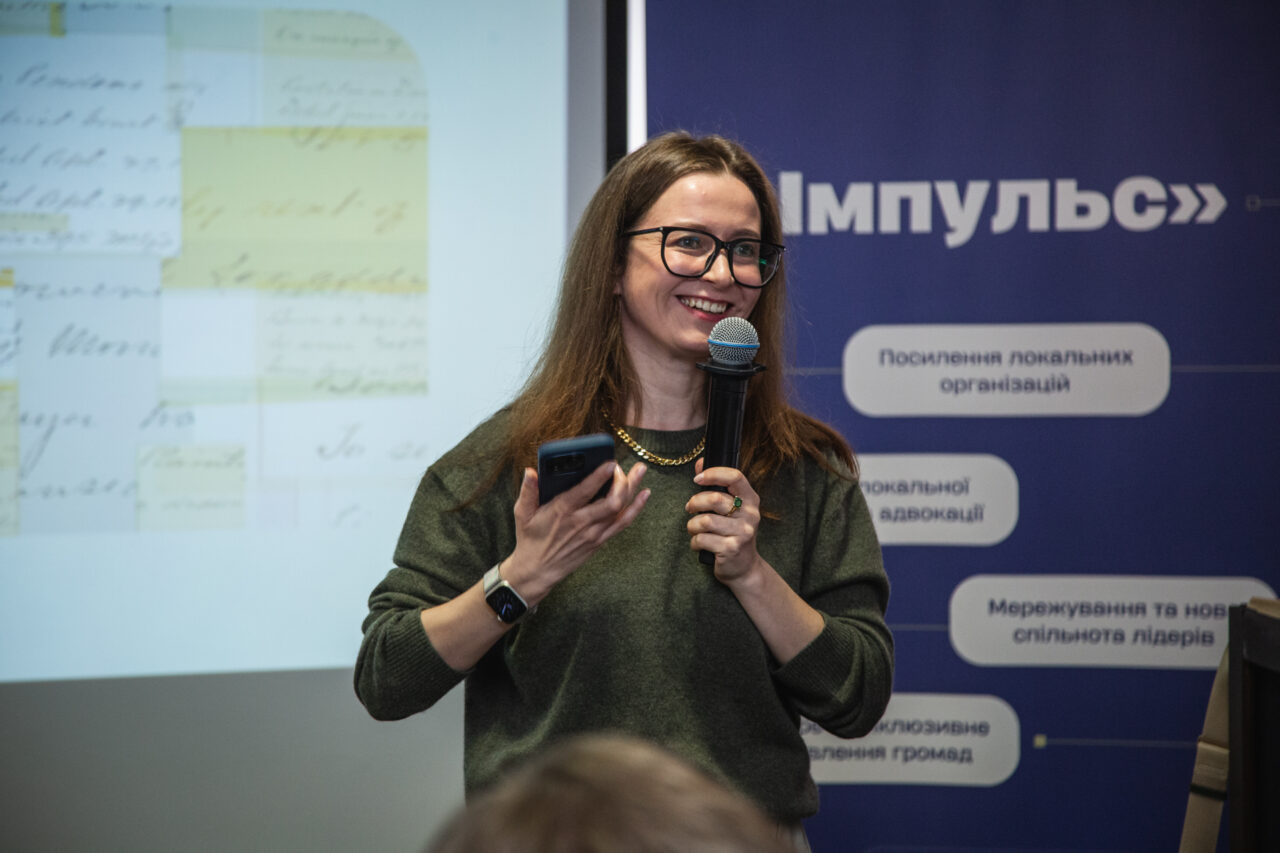

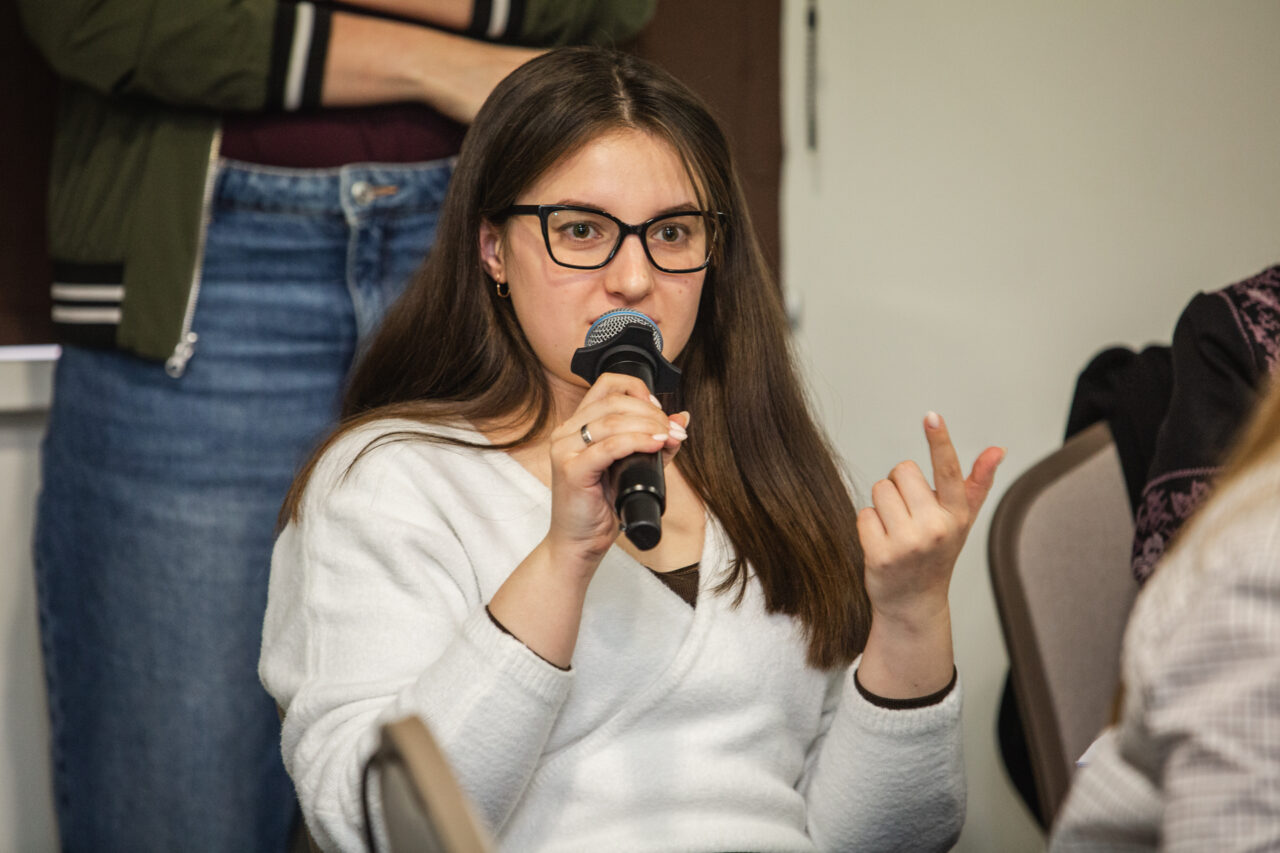
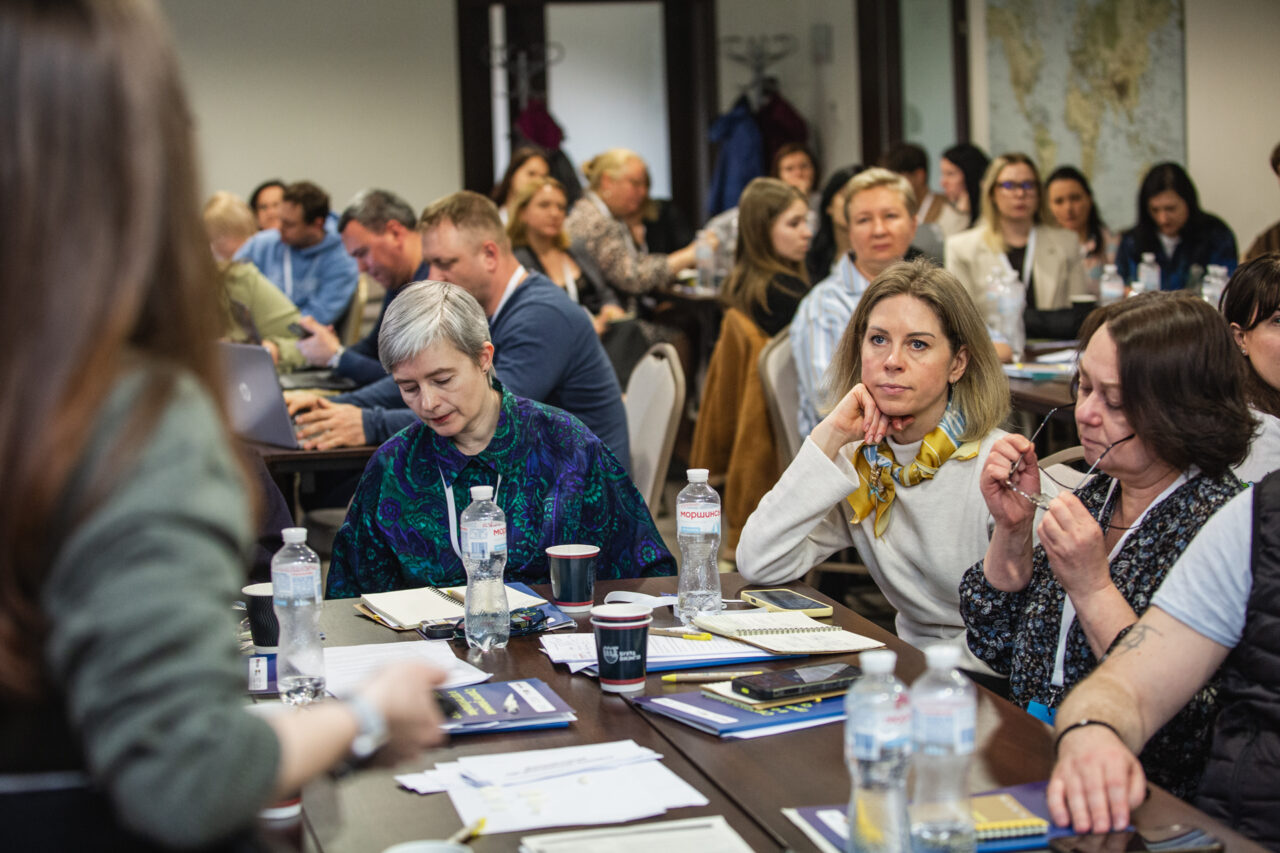
Facilitator Olha Shelest worked with the partners individually and helped them to create a safe and trusting space for interaction. Participants were also involved in meaningful networking: they shared experiences, discussed challenges they face in different communities, and found common ground for future cooperation. Such exchange strengthens not only individual organizations but the civil society environment as a whole.
The format also included a recovery break. This matters because many organizations operate in challenging conditions and at a high pace, so the opportunity to pause, reflect on their experience, and spend time among peers is just as valuable as the training itself.
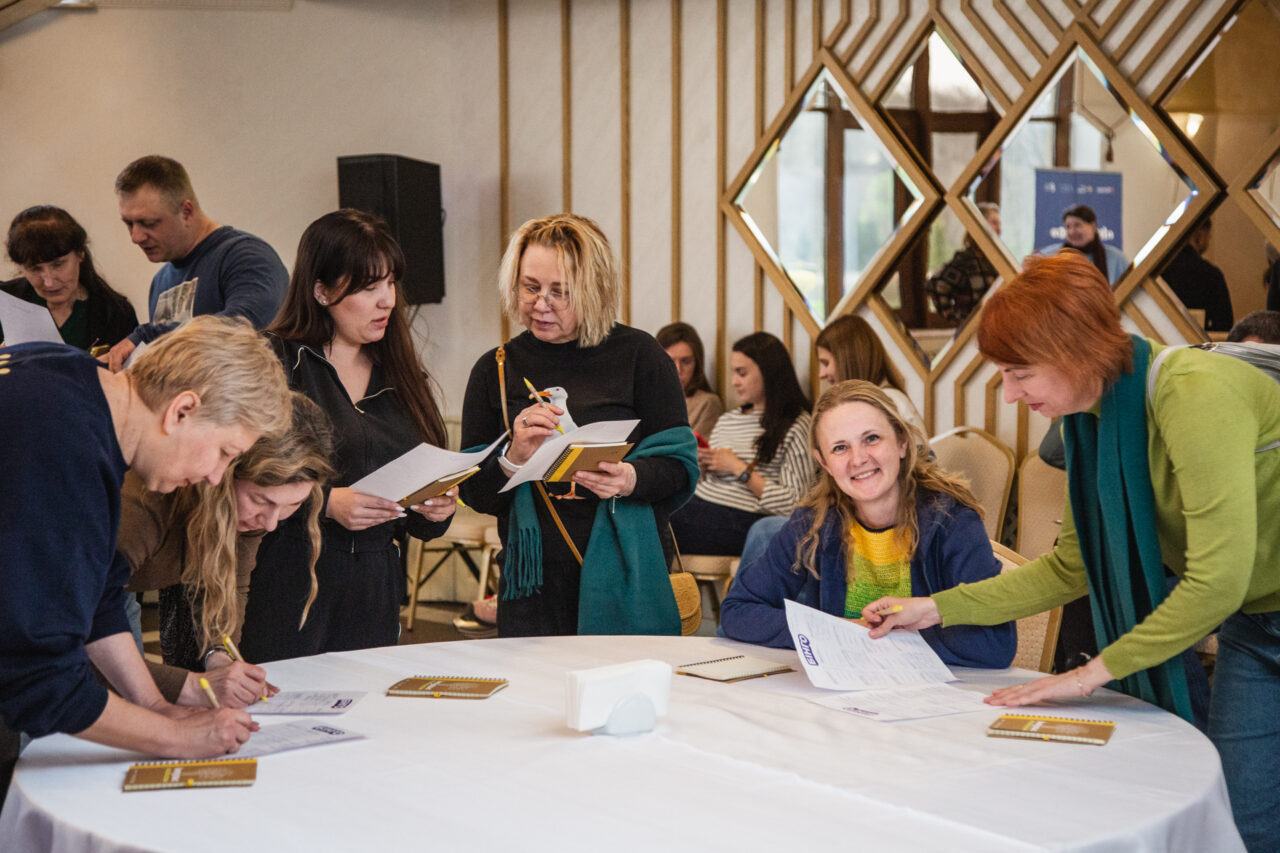
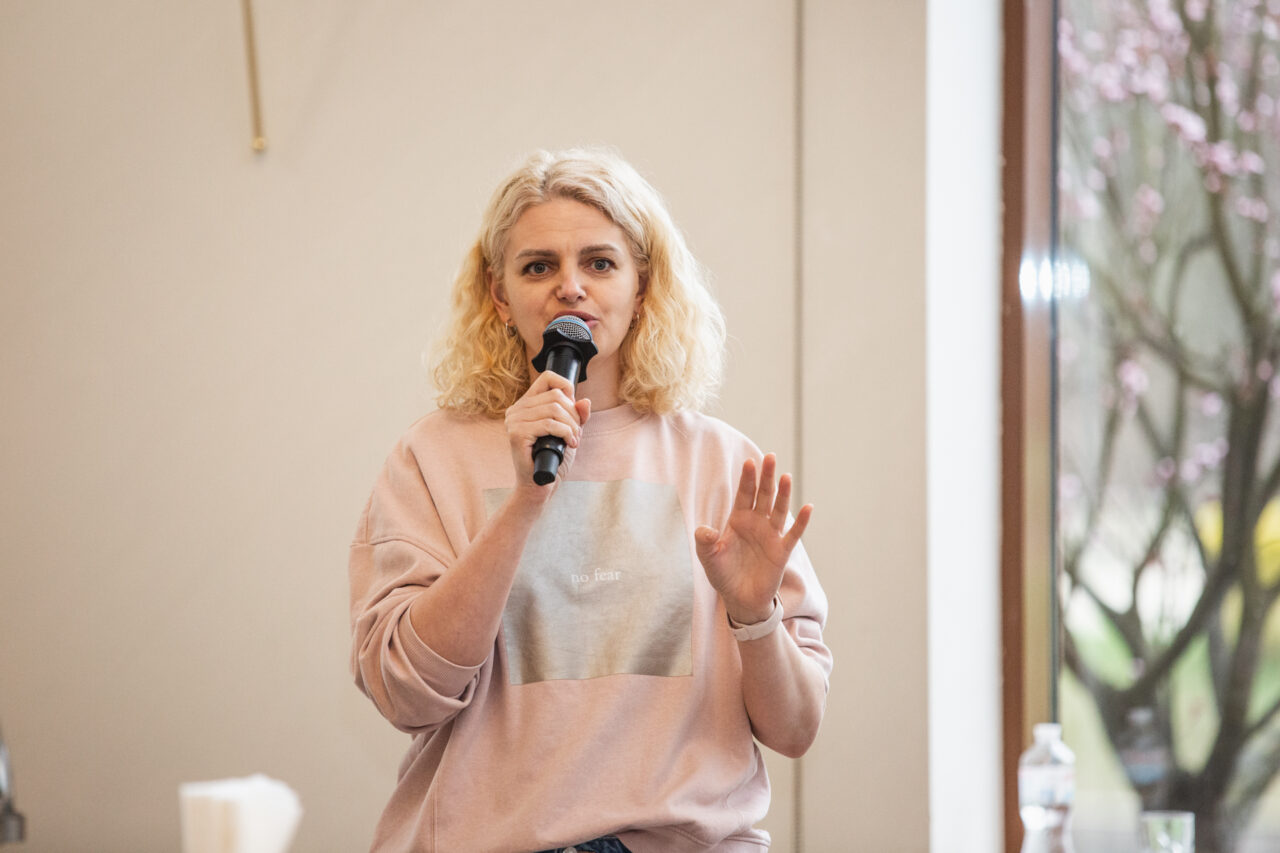
Strategizing for CSOs is not about official documents but about the capacity to act knowingly and systematically. And it is precisely these skills that help organizations remain resilient and effective in the long run. Therefore, we should support partners with the relevant knowledge and tools so that strategizing becomes their daily practice.

The Impulse Project is implemented by East Europe Foundation and the International Renaissance Foundation, with support from Norway and Sweden.