Share
In wartime, the state, local government authorities, civil society, and international partners are striving to meet basic human needs, ranging from water and food supply to safety and psychological support. However, over time, meeting only the bare essentials is no longer enough. People require opportunities for education, employment, community engagement, and self-fulfillment. While emerging needs can easily be overlooked from a distance, they are impossible to ignore for local civil society organizations that interact with the community daily.
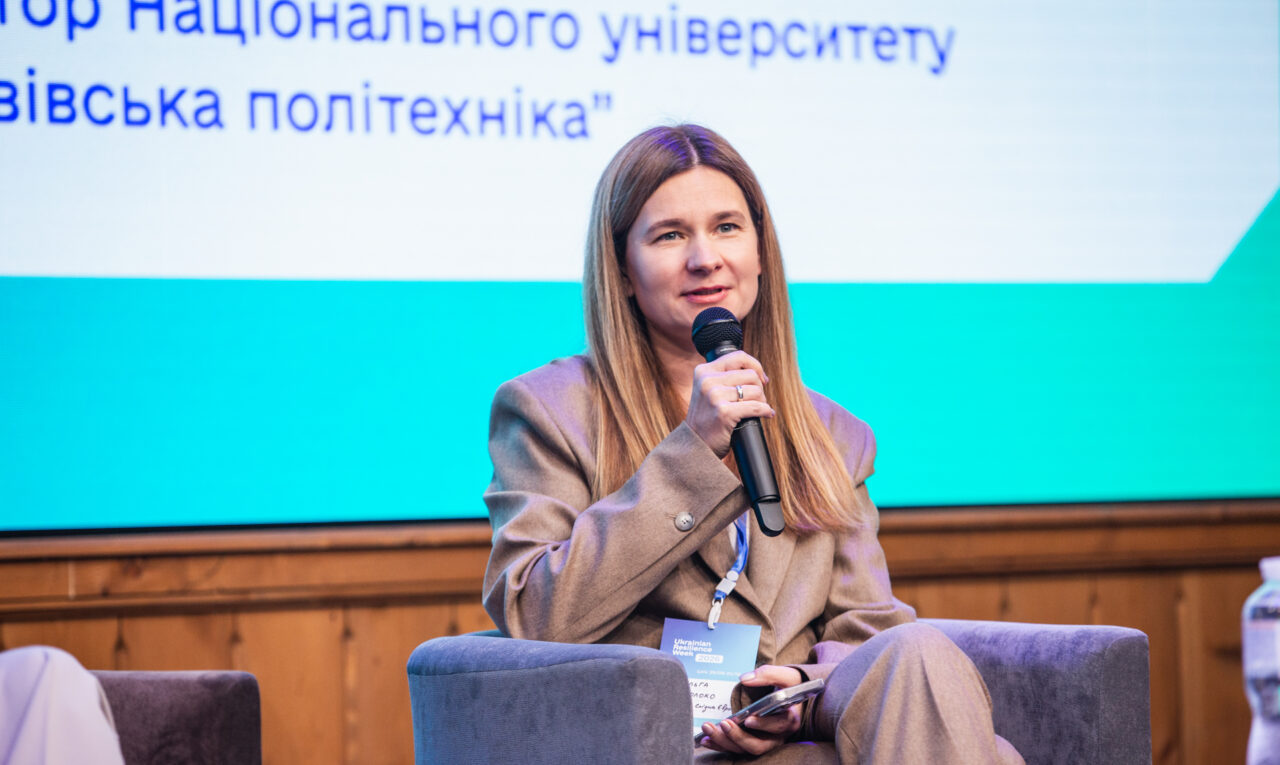
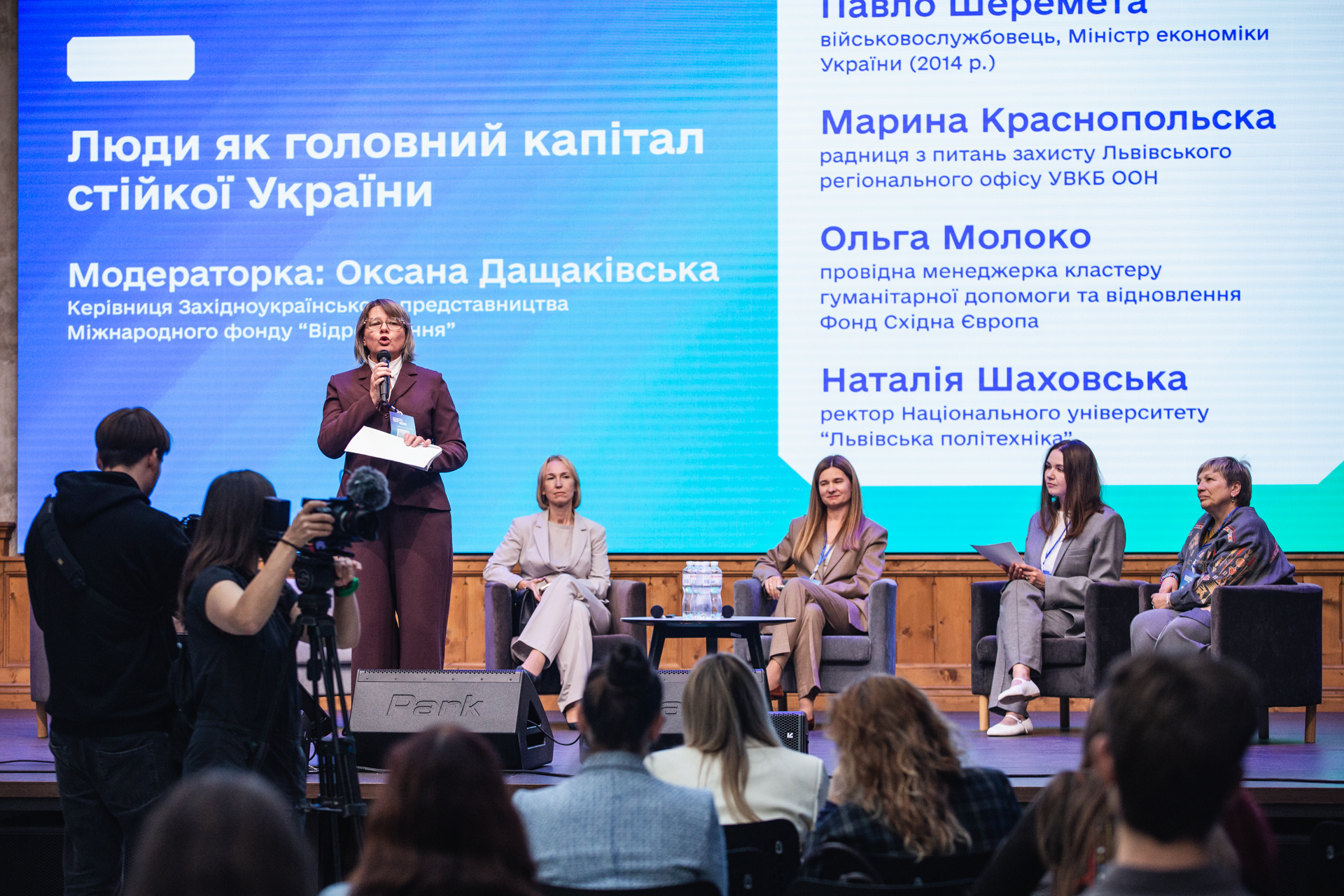
Olha Moloko, Humanitarian Aid and Recovery Cluster Lead at East Europe Foundation, emphasized the necessity of supporting local organizations during the “People as the Key Capital of a Resilient Ukraine” panel discussion held during Ukrainian Resilience Week.
“I believe that the practical objective of localization is trusting the expertise of local organizations, involving them in decision-making, and investing in their long-term capacity. Donors, local authorities, major organizations, and partners must align with the insights of local organizations. That said, they face the reality in practice and know the actual needs of people and communities,” Olha Moloko emphasized.
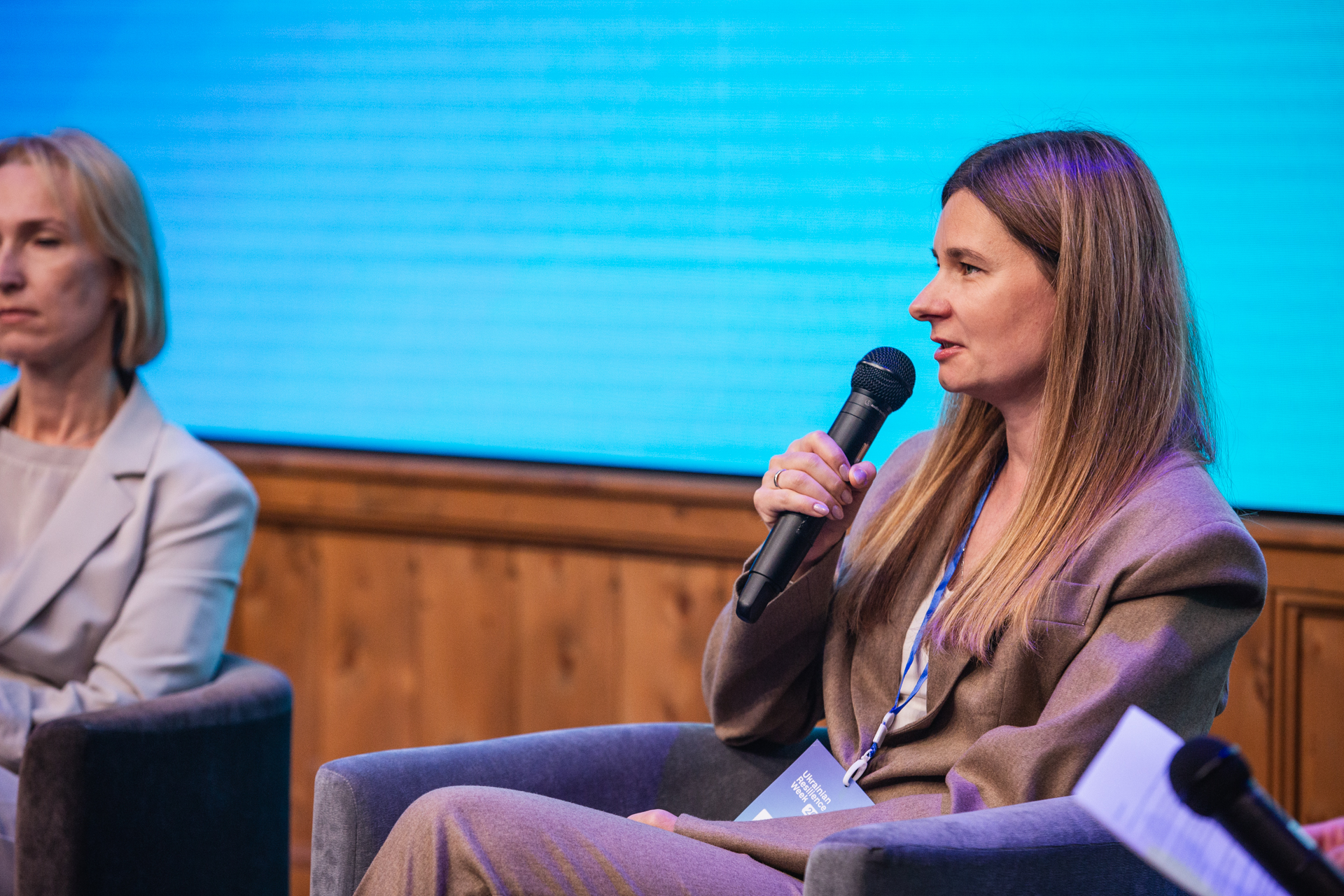
To support this point, Olha cited a study conducted last year by East Europe Foundation within the Impulse project, which examined the resilience and participation of civil society organizations in the recovery and reconstruction of communities. A total of 201 civil society and charitable organizations across Ukraine participated in the study.
“Civil society organizations are most actively engaged not in infrastructure recovery, but in rebuilding social networks, strengthening unity (81.1% of respondents), and ensuring service accessibility for people (76.7%). We have recorded the highest level of civil society sector participation in these areas. Simply put, nowadays, civil society organizations are restoring the very foundation without which no infrastructure can function, trust among people, and the capacity of communities to act as one,” noted Olha Moloko.
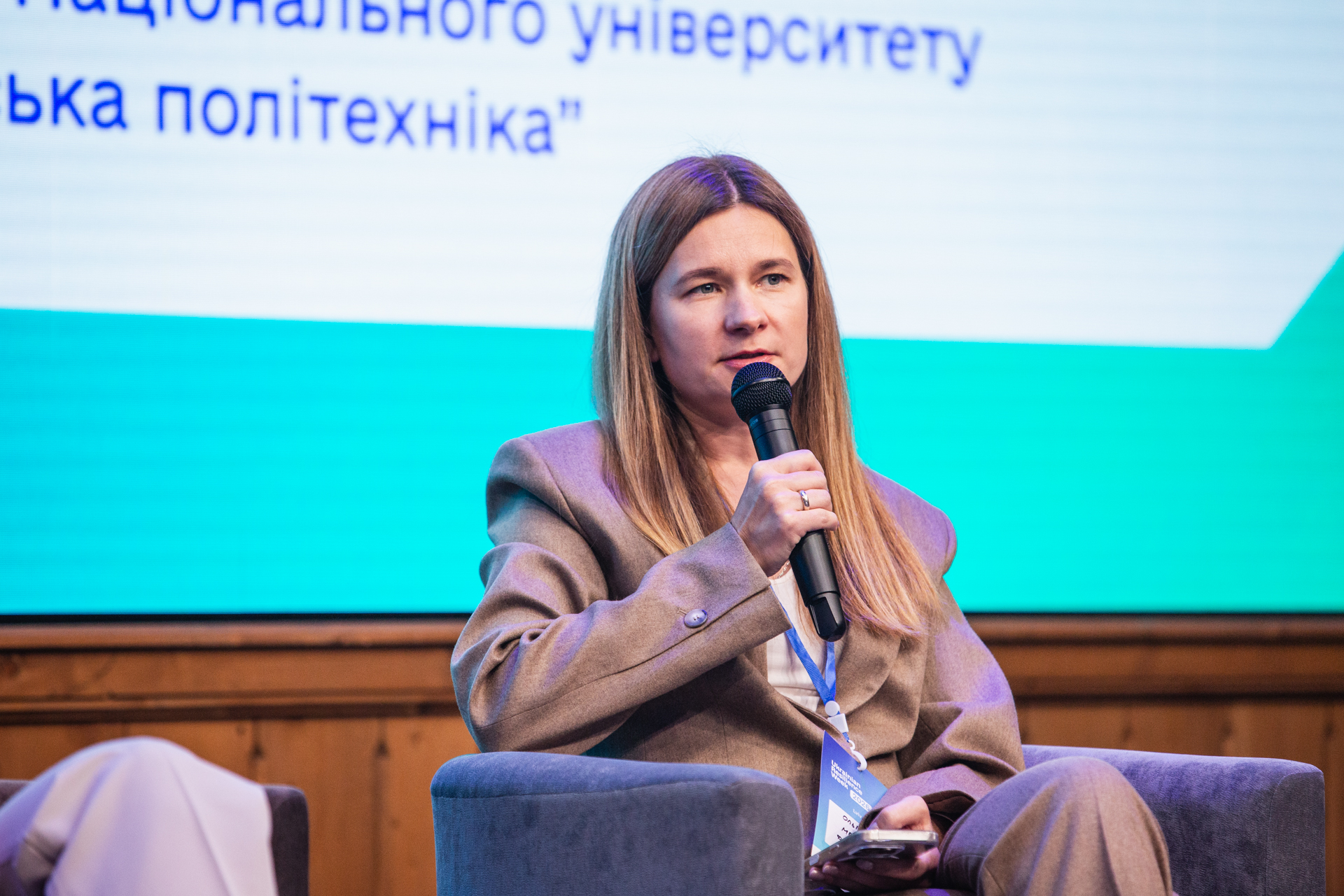
According to her, local organizations are essential for integrating internally displaced persons, reintegrating veterans, offering psychosocial support, fostering dialogue, and engaging residents in decision-making. That said, comprehensive support for those affected by the war requires a collaborative effort. For example, aid to internally displaced persons extends beyond evacuation; it includes housing, services, employment, psychological support, social networking, a sense of home, and the opportunity to integrate into a new community.
–––––––––––––––––––––––––––
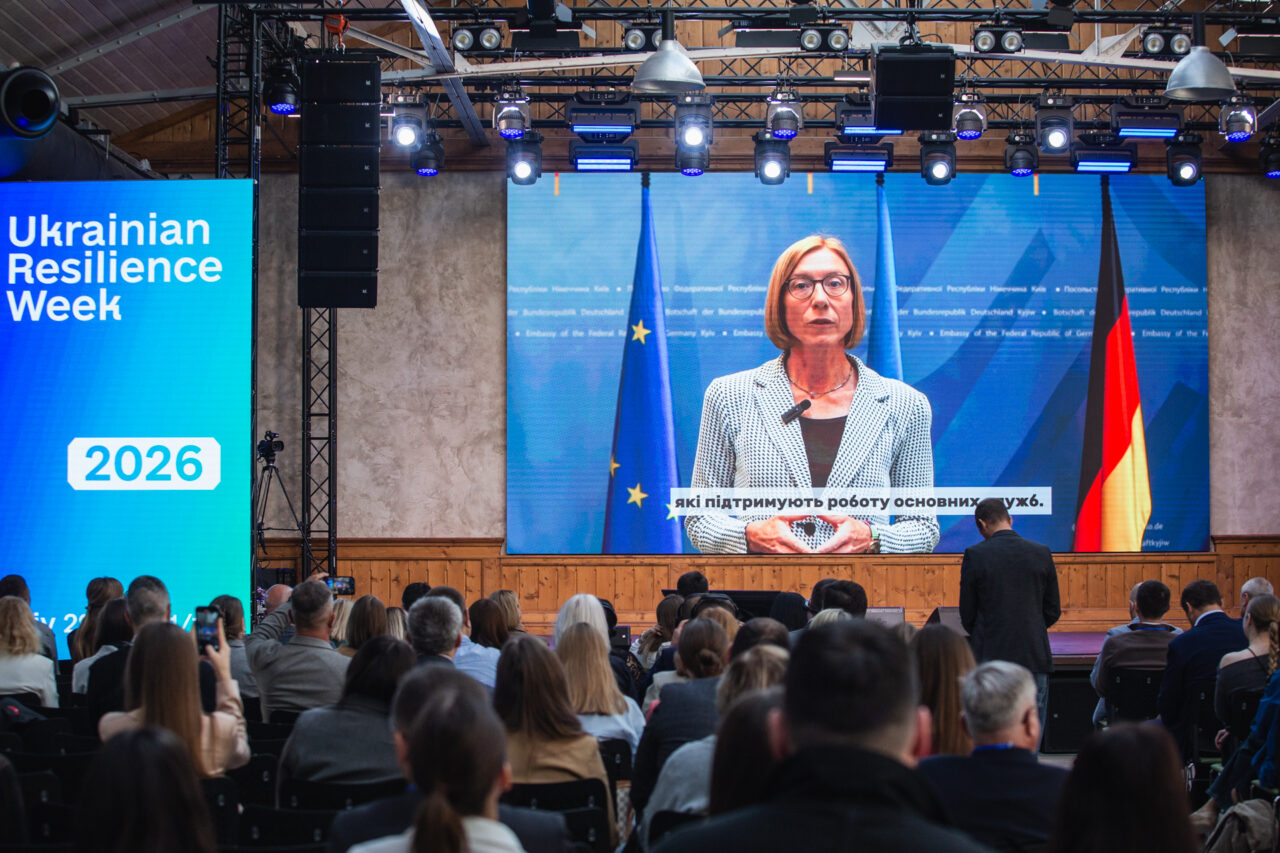
Ukrainian Resilience Week is an annual event where local government authorities, experts, businesses, and international partners unite to strengthen the resilience of Ukrainian cities. This year, the Forum took place in Lviv from September 29 to October 1, 2026. The event brought together around 400 representatives from communities, public authorities, and professional networks to address issues including winter preparedness, energy security, and emergency response.
The Forum was held with support from the “Strengthening of Urban Resilience in Ukraine (SUR)” project within the German transitional aid commissioned by the Federal Ministry for Economic Cooperation and Development of Germany (BMZ) and implemented by Deutsche Gesellschaft für Internationale Zusammenarbeit (GIZ) GmbH.
One of the event’s organizers was the Impulse Project, implemented by East Europe Foundation and the International Renaissance Foundation, with support from Norway and Sweden.