



Share
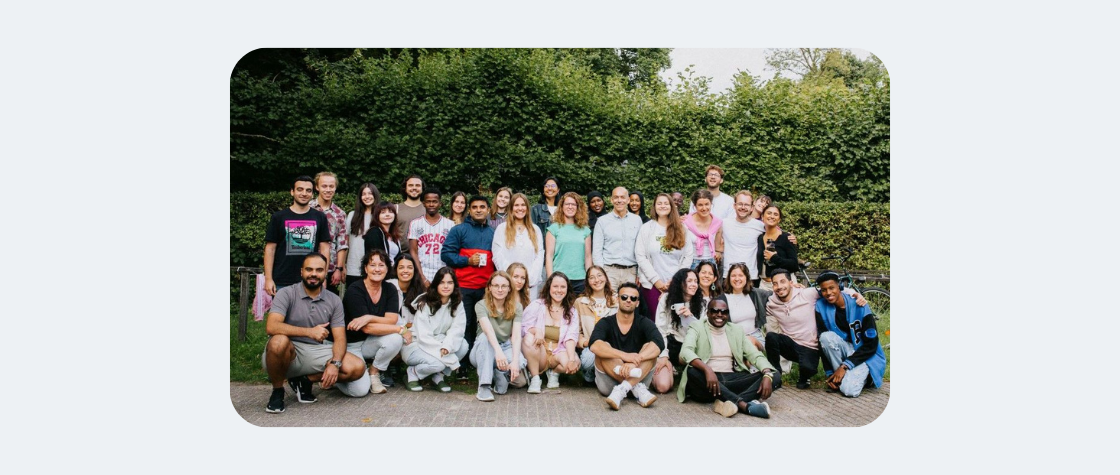
It was before the Russian invasion. Everything started at a meeting in Eindhoven, where we discussed an Erasmus+ project. Victor Liakh was part of our group — that’s how we met.
At that time, we were already an international youth network focused on social projects and sustainable development. We believe in the power of diversity — the more different people there are in a group, the better the bottom-up solutions you can find. So we applied for a grant and invited East Europe Foundation to join. We already had participants from Albania, Bosnia, Georgia, and several key EU countries. We thought it was important to bring together people from very different life situations.
We believe that when it comes to sustainable development, we must act as one world — that’s reflected in our name, One World Citizens — because these challenges know no borders. The same goes for social inclusion: we want to help create a more inclusive world.
What truly unites us is a shared belief in the power of young people as key agents of change. We also realized that we need to help young people develop the skills to take action — not only entrepreneurial skills but also the confidence to trust their own vision of change, even when no one else sees it yet. You have to trust yourself — but it’s always easier when you’re among like-minded people.
 Ukrainian youth represent a unique generation growing up during the war, with a very different experience from that of young people in Europe. What can Ukrainian youth offer to the world?
 A lot — especially now, as the whole world faces growing risks of conflict. We will all have to deal with that.
The world today is very different from the one I grew up in. From what we’ve seen during our youth exchanges — especially from the Ukrainian team, but also from Bosnia, Albania, and Georgia — there’s something truly powerful in these countries. In the West, we’ve become too focused on individual development, personal gain, and lifestyle. We’ve lost our sense of collective strength and the power of community. That’s what Ukrainians have shown us: how people can come together, take action, and truly make a difference.
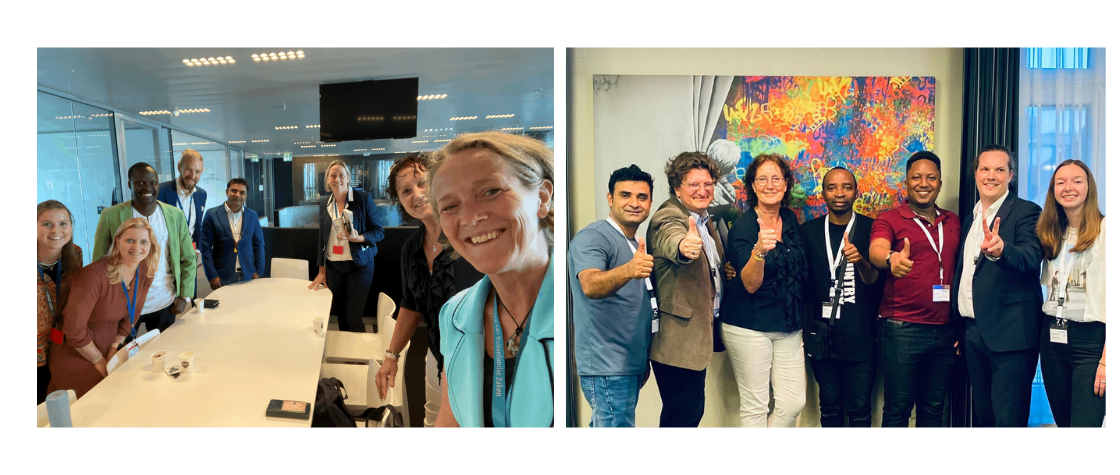
During one of our youth exchanges, which brought together young people from 12 countries, many participants learned from you that — despite circumstances — it’s possible to rely on your inner strength and your community, even during war. That’s something I keep repeating: we must remain strong in difficult times and learn to act together.
When something troubles you, you can either fall into negativity and become passive — or take action. If you know how to take small steps to make things better, locally or globally, then you’re already on the side of change. You gain energy and start believing that change is possible.
Another important thing is believing that each of us can be an example of change — to inspire others and give them hope that change is possible. Individual efforts matter because they show that, no matter how small or big your actions are, you can contribute. Of course, this takes skills and a positive mindset.
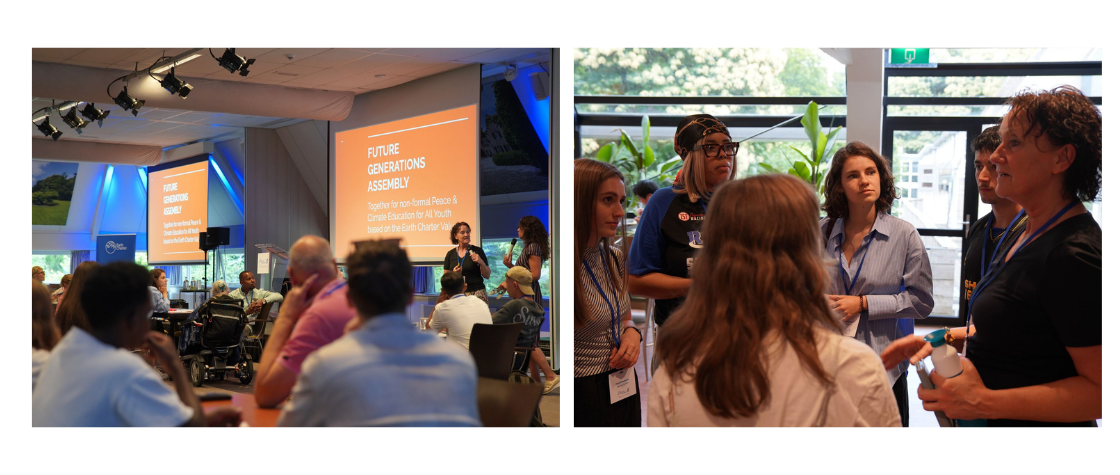
Real impact happens when you come together. That’s what we value in youth exchanges: collecting answers and ideas from very different countries, cultures, and life situations. We learn from what young people are doing in each country, align our goals, and can even change the world together.
For each of our programs, we ask national teams to prepare a small live project before the main event — the idea is to take a small step toward change, so after the event, they already have the experience of making an impact. Your team, of course, started in Kyiv, at EEF office, with a project aimed at making roads greener — they created a green wall. It was a wonderful way to show young people from other countries that change can begin right where you are. They also created a very interesting project demonstrating how to reuse waste to grow plants.
 What can Ukrainian civil society organizations do to make their voices heard more on the international stage — to build truly equal partnerships?
 I would add that equal partnerships create a real win-win situation — this way, the other side values what you bring to the project, and vice versa.
We have always focused on practical, action-oriented solutions that everyone can take part in — so people really feel they can make a difference. What’s truly important, in my view, is that many local solutions to challenges come from people from completely different backgrounds. It would be wonderful to have a platform where these best practices could be shared more widely.
This may sound a bit unusual, but a few months ago our former Prime Minister publicly called on Europe to develop “wartime thinking” — because, as he said, Europe has been asleep and must now wake up. In a sense, he was right — we need to be prepared. But we must also call for solution-oriented thinking. When so many people feel anxious and unsure how to act, we need to show that there are other ways forward. So, in my opinion, we should make visible the creativity Ukrainians have shown despite the challenges. That would be a powerful contribution to the world.
First — empathy. Keep caring for one another. Don’t say, “That’s not my problem.” The power of empathy and care — constant care — is how smart solutions emerged. For example, when there was no electricity, some offices that still had power opened their doors — there was a washing machine, there was internet access. Sharing and caring — that’s truly important.
Second — humor. I really love seeing the power of humor, how it was used even within our teams during the projects. Humor is a great strength.
And third — never give up, and stay together. Never give up.
Those three things — empathy, humor, and perseverance — are what I’ve taken from your experience.