



Share
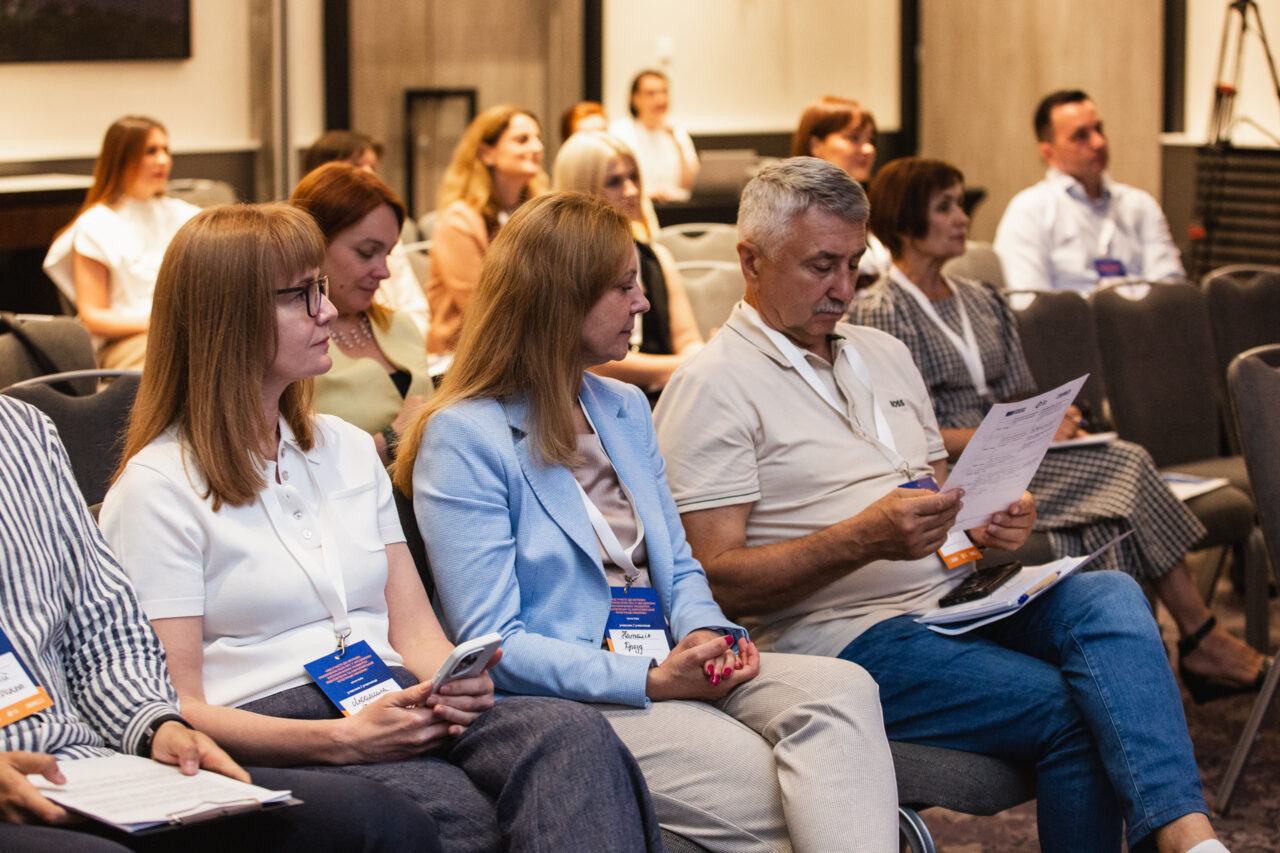
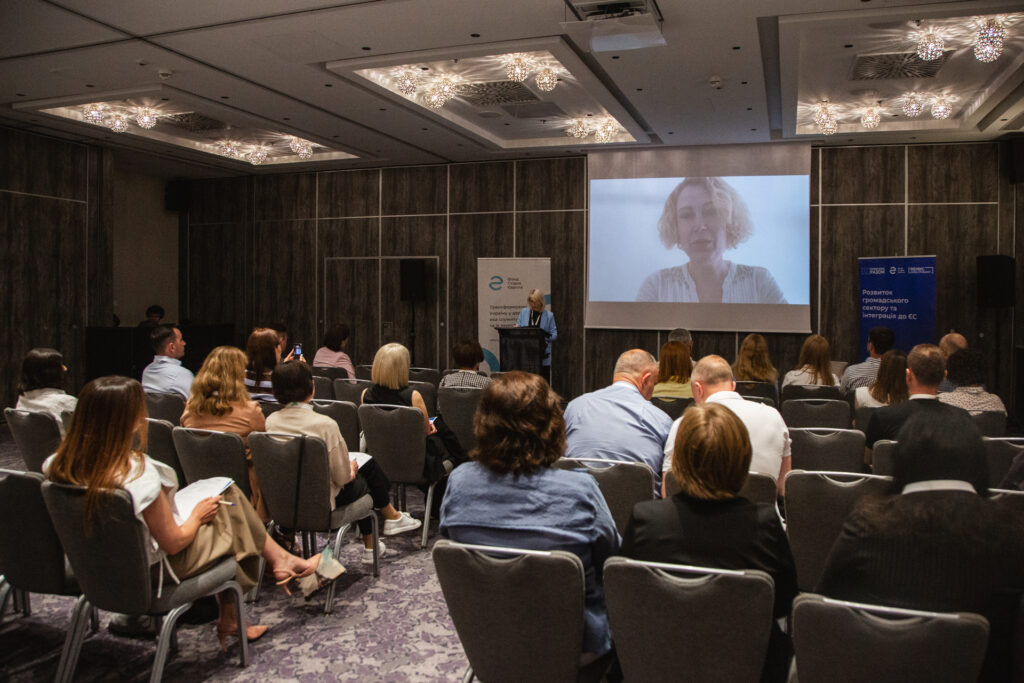
On June 19, 2026, in Kyiv, East Europe Foundation brought together representatives of communities, civil society organizations (CSOs), and public authorities to discuss the analytical paper “CSO Participation in Decision-Making on Local Economic Development and Ukraine’s Recovery.”
The purpose of the event was to present the findings developed by the Foundation’s experts, share successful examples of communities that are already contributing to local economic development, recovery, and the implementation of European integration initiatives, and gather feedback from CSO and community representatives to make the paper as practical and useful as possible for the civil society sector.
“We are meeting at a very important moment. Ukraine’s European integration path is gaining momentum — on June 15, the EU opened the first negotiation cluster for Ukraine. And this is not a symbolic gesture; it is concrete, technical, practical work that is already underway. This work is directly related to the topic of today’s discussion: regional development, local governance, and the participation of civil society. Your experience and proposals are not an addition to the document — they are its key part,” noted Natalia Starostenko, coordinator of regional and local development programs at the EU Delegation to Ukraine.
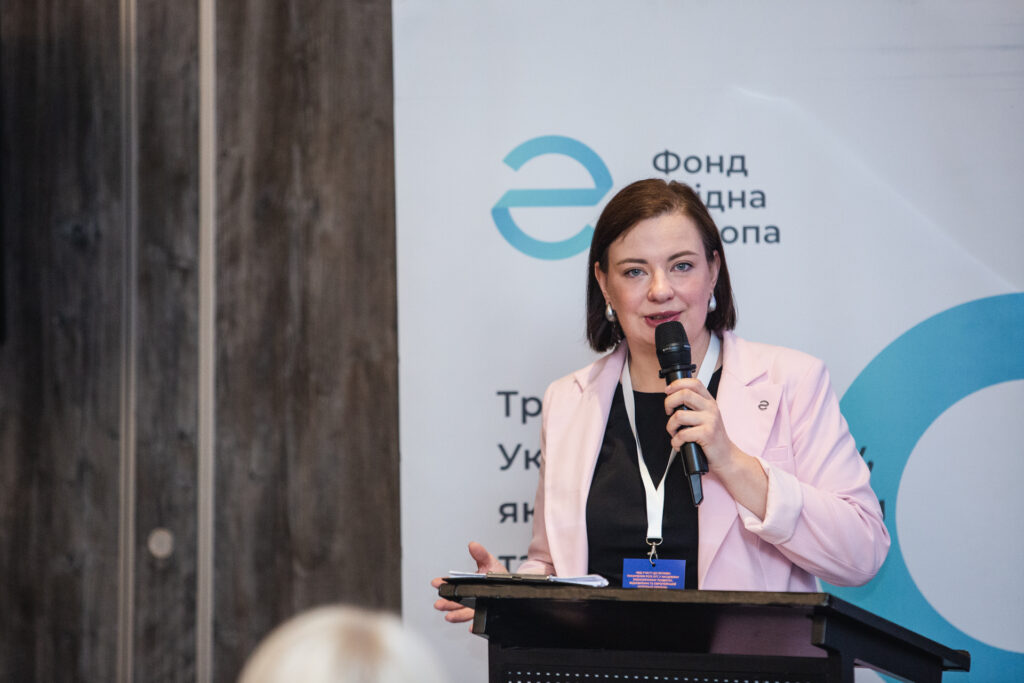
“For us, it is fundamentally important to hear the views of colleagues from communities, civil society organizations, and partner institutions. We need to understand how the findings developed by our experts align with your experience, which aspects require clarification, and which proposals should be taken into account before the paper is finalized,” said Vira Nedzvedska, Vice President for Strategic Partnerships at East Europe Foundation.
Participants emphasized that dialogue between local authorities, civil society, and business is a key condition for successful economic development and community recovery.
“The partnership principle is one of the core approaches of European cohesion policy, and it is precisely this principle that the European Union consistently emphasizes in its recommendations and reports. In the context of negotiating Chapter 22, it is particularly important to ensure high-quality interaction between the state, regions, communities, the expert community, and citizens. After all, even the best-prepared document will not be effective without an understanding of the real needs of territories and the support of local residents.
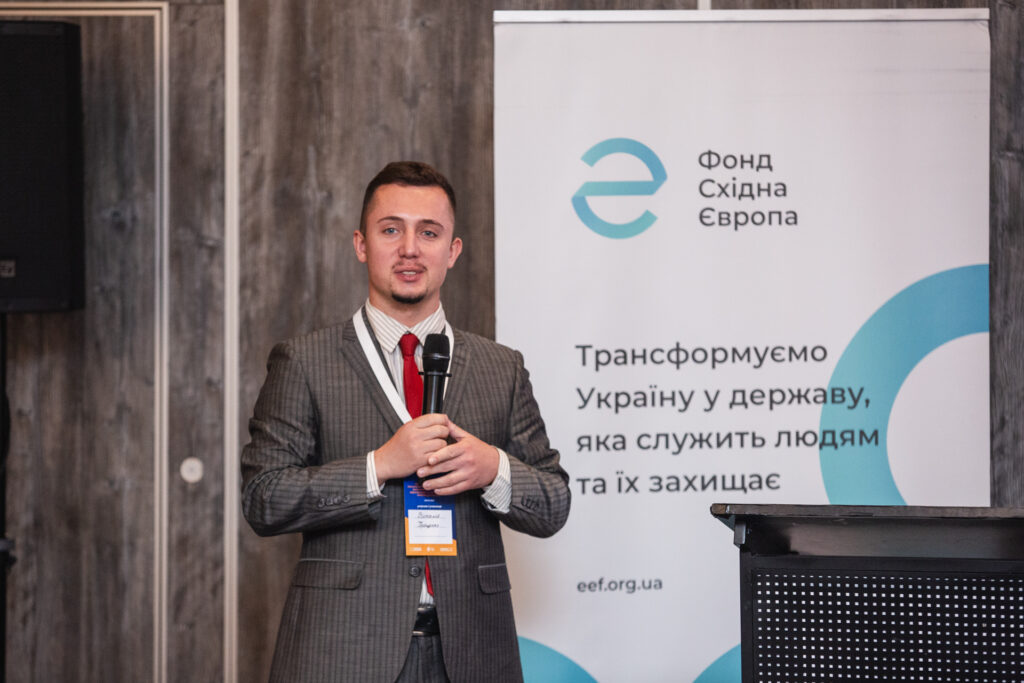
Starting in July, we will begin work on a new cycle of strategic planning for regional development. This is an opportunity to combine sectoral and territorial planning, identify the development priorities of each community, and develop solutions that respond to the real needs of people and territories. That is why it is extremely important today to hear the voice of communities, as quality development is impossible without ongoing dialogue and citizen engagement in policymaking”, shared Vitalii Protsenko, Director of the Department for Regional Policy and Reintegration of Territories at the Ministry for Development of Communities and Territories of Ukraine.
All contributions made by the participants will be processed and integrated into the final version of the analytical paper under discussion. Once finalized, the paper will be made publicly available.
The event took place within the framework of the Phoenix: Power of Communities project, implemented by East Europe Foundation with the support of the European Union. The project is aimed at providing comprehensive support to CSOs so that they have the knowledge, tools, and opportunities for meaningful participation in European integration processes, recovery, reform advocacy, and civic monitoring.