


Share
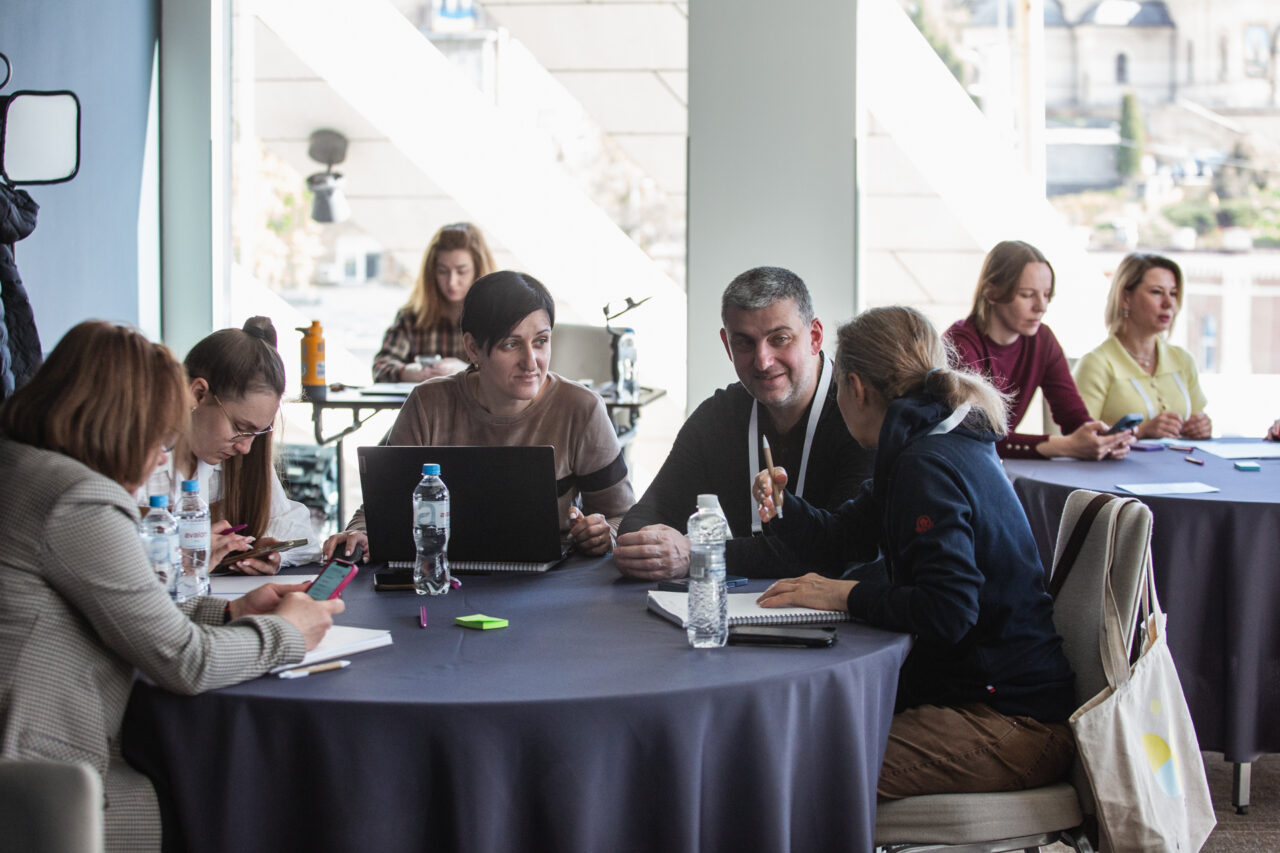
On April 23–24, the “Networking for Growth” event took place in Kyiv, bringing together 12 civil society organizations working under the “Capable and Resistant: Sumy” project to rebuild war-affected communities in the Sumy region.
The event provided a space for in-person exchange and networking — to see the shared picture of humanitarian work in the region, learn about each other’s approaches, and identify opportunities for coordination. Special attention was given to a training on the practical implementation of the Core Humanitarian Standard (CHS) in the context of humanitarian response in Ukraine.
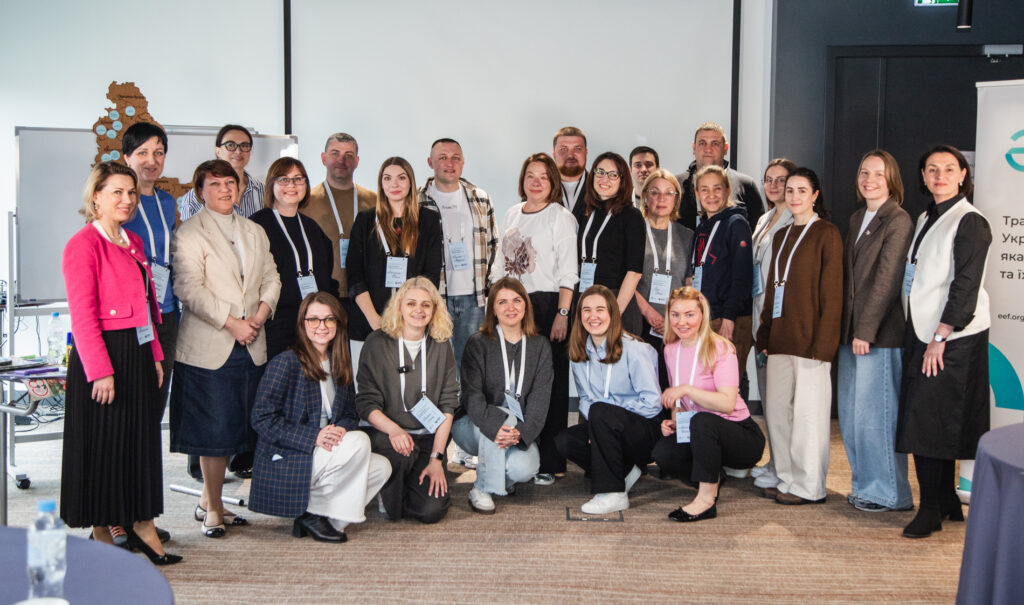
Project participants represent organizations working across three key humanitarian clusters: shelter, health, and education. For many, it was the first opportunity to meet in person and discuss their work candidly rather than through formal reporting — talking openly about the challenges facing communities in Sumy region and about how joint efforts can have a greater impact.
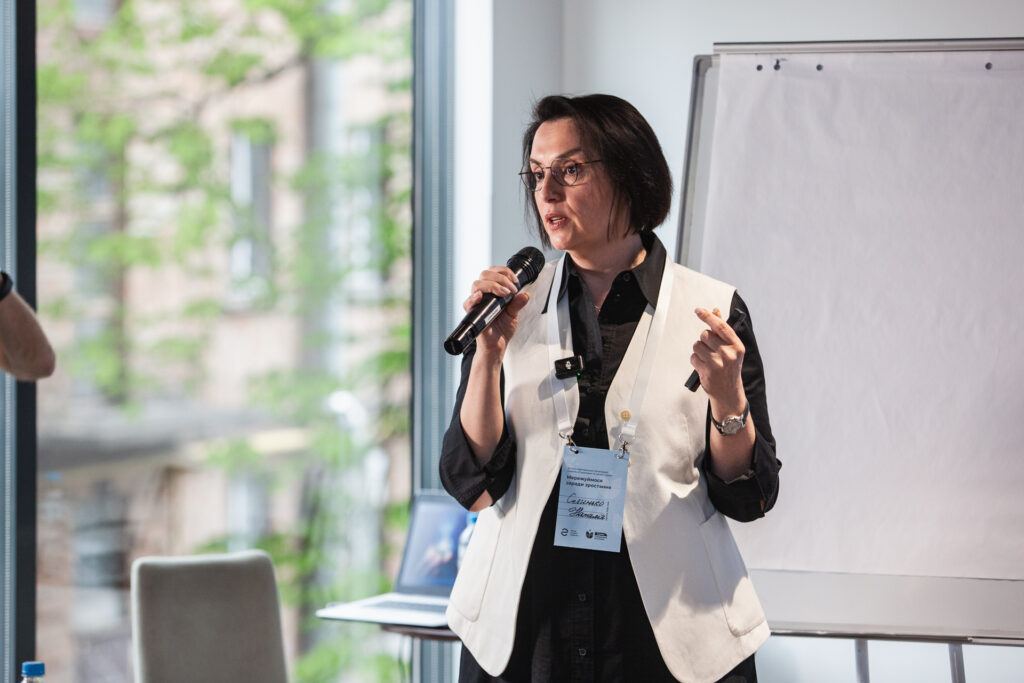
“For the Foundation, it is important not only to provide targeted support to individual initiatives, but also to strengthen organizations as a system — their teams, processes, and capacity for long-term work. That is why we invest in developing the partner network and their training,” said Nataliia Slynko, Vice President of Programs at East Europe Foundation.
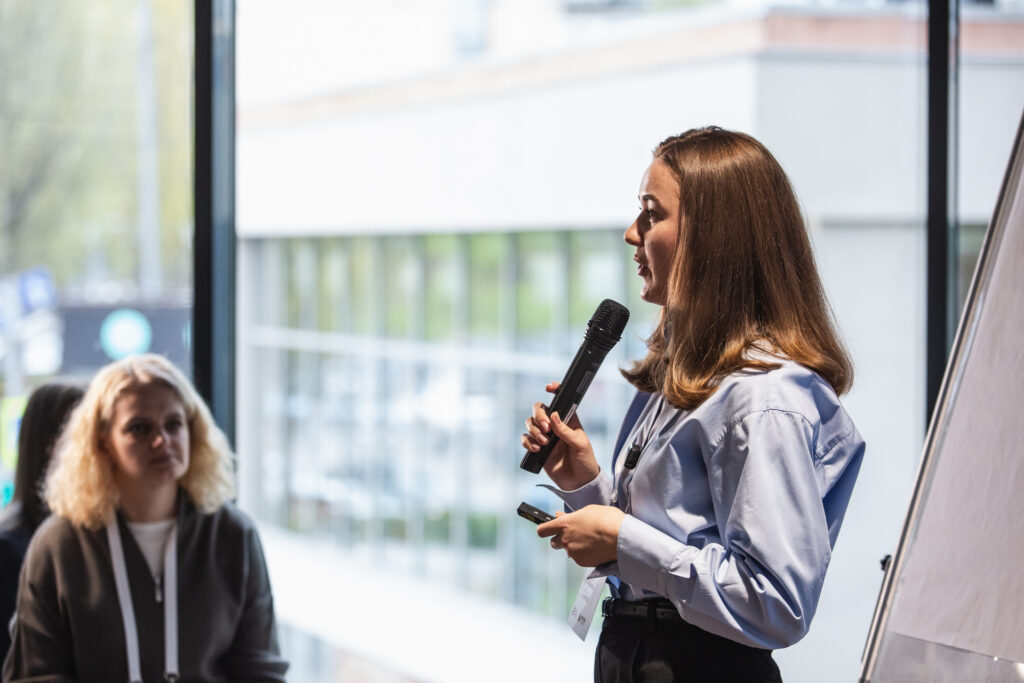
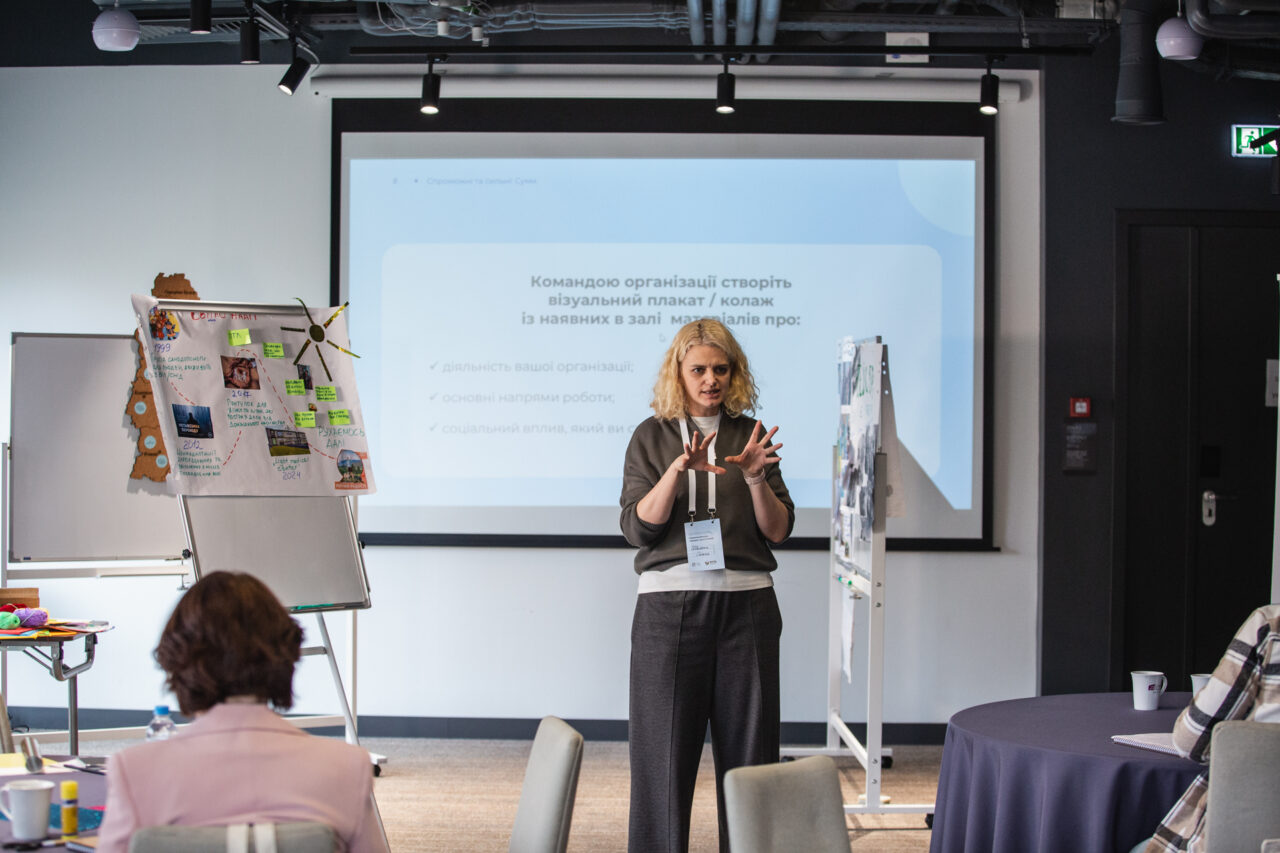
The first day was facilitated by Olha Shelest, a consultant for civil society organizations, an expert in social and youth policy, a trainer for educational programs, and co-founder of the “Daruiemo Radist” charitable foundation.
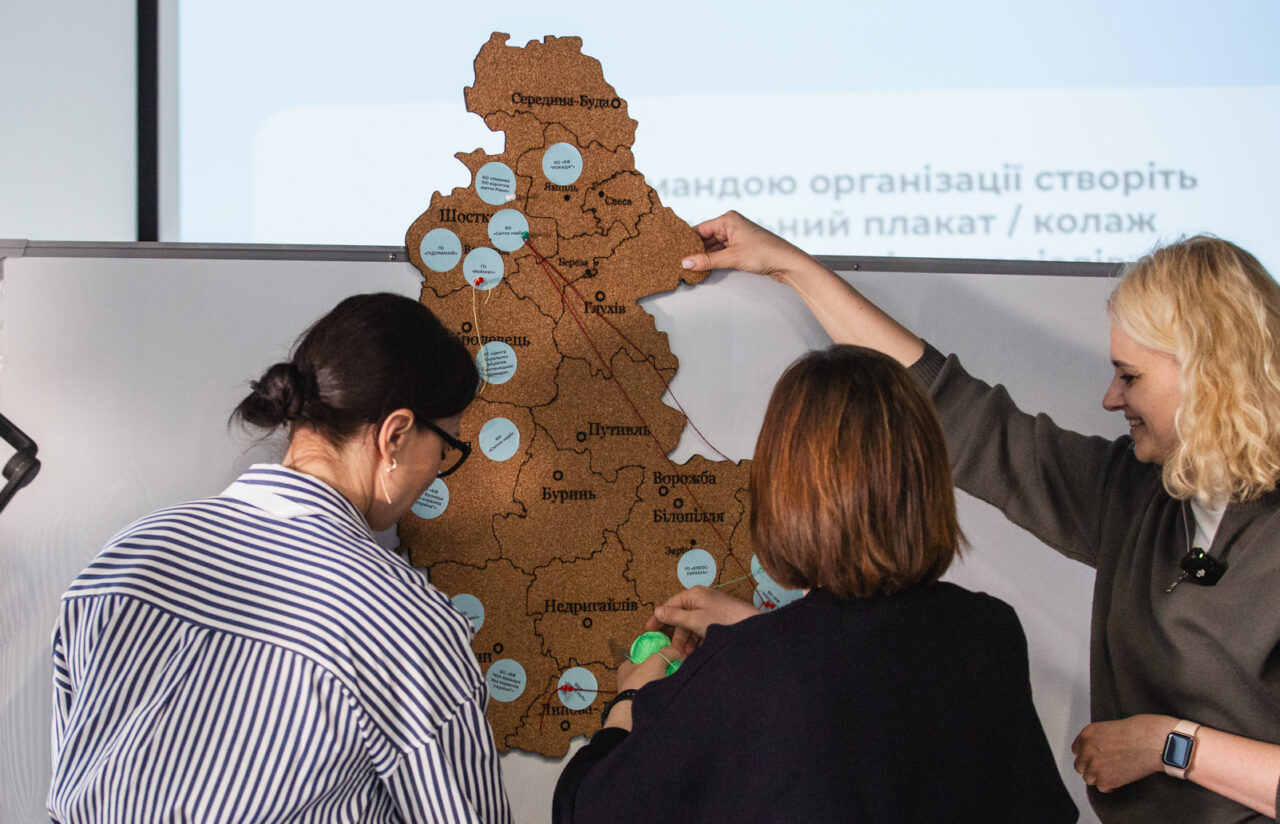
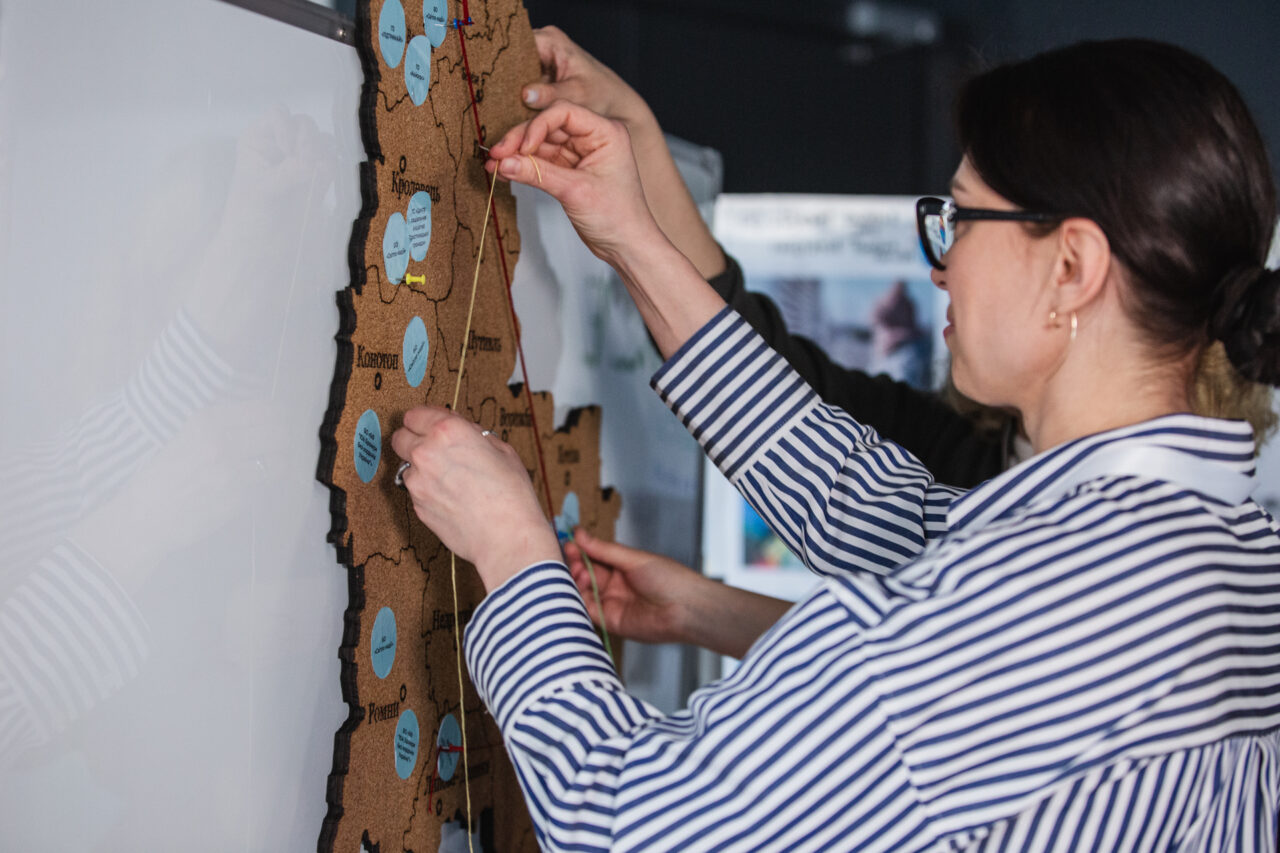
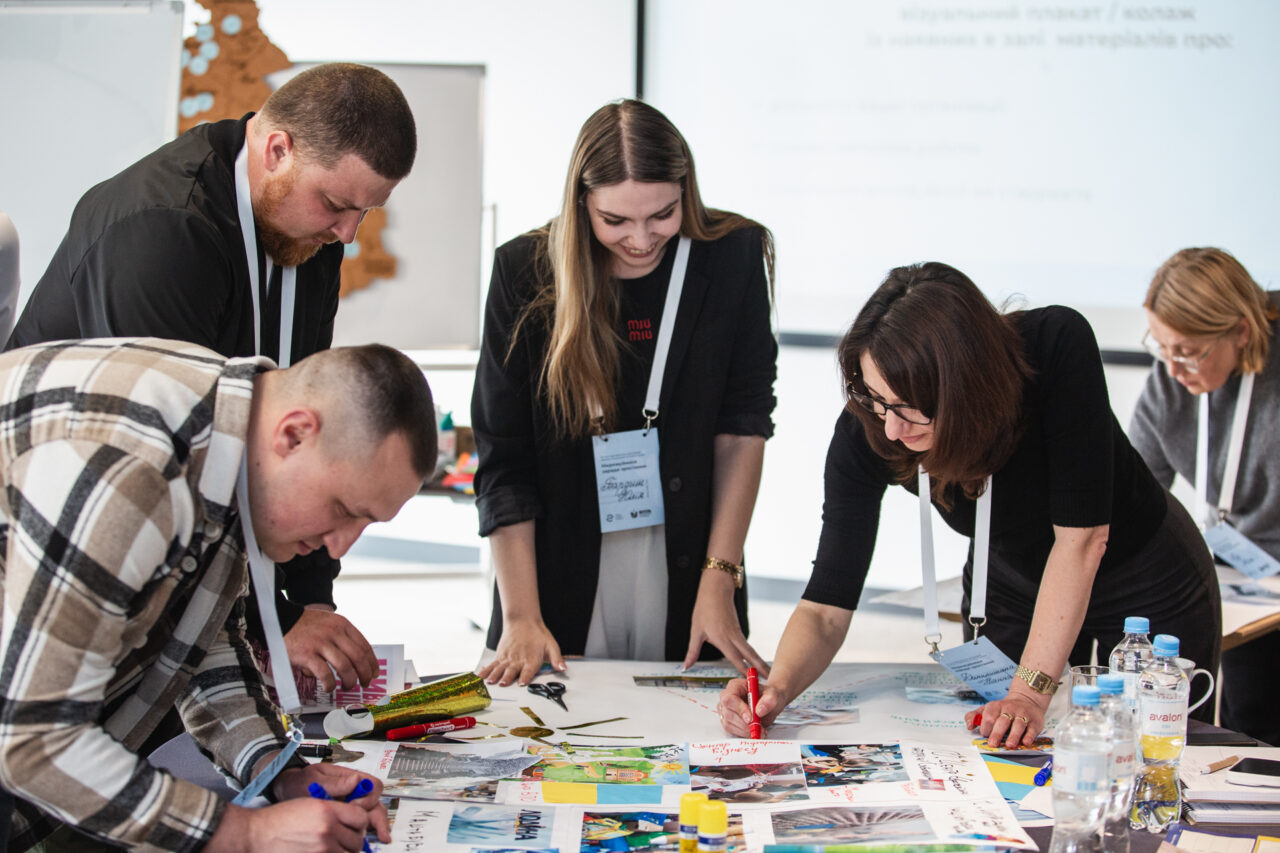
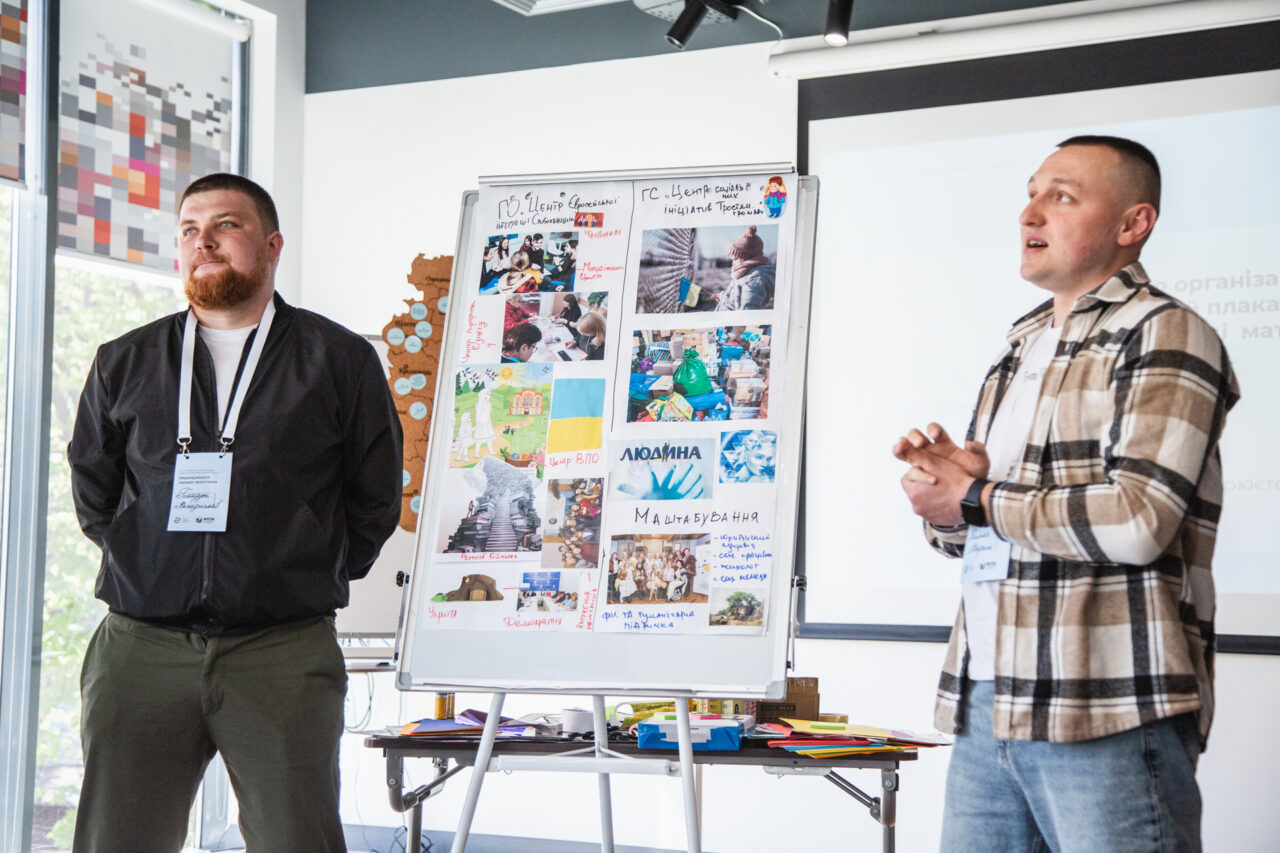
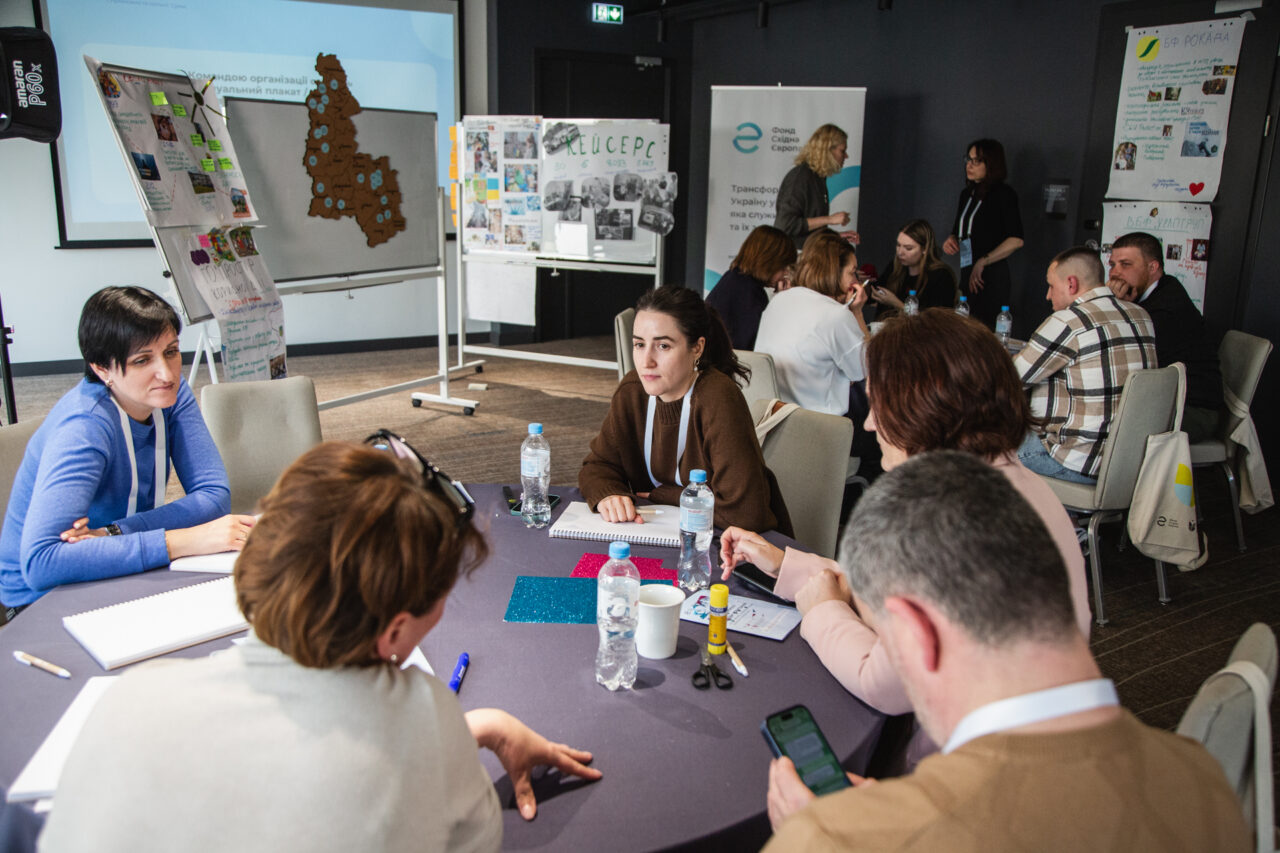
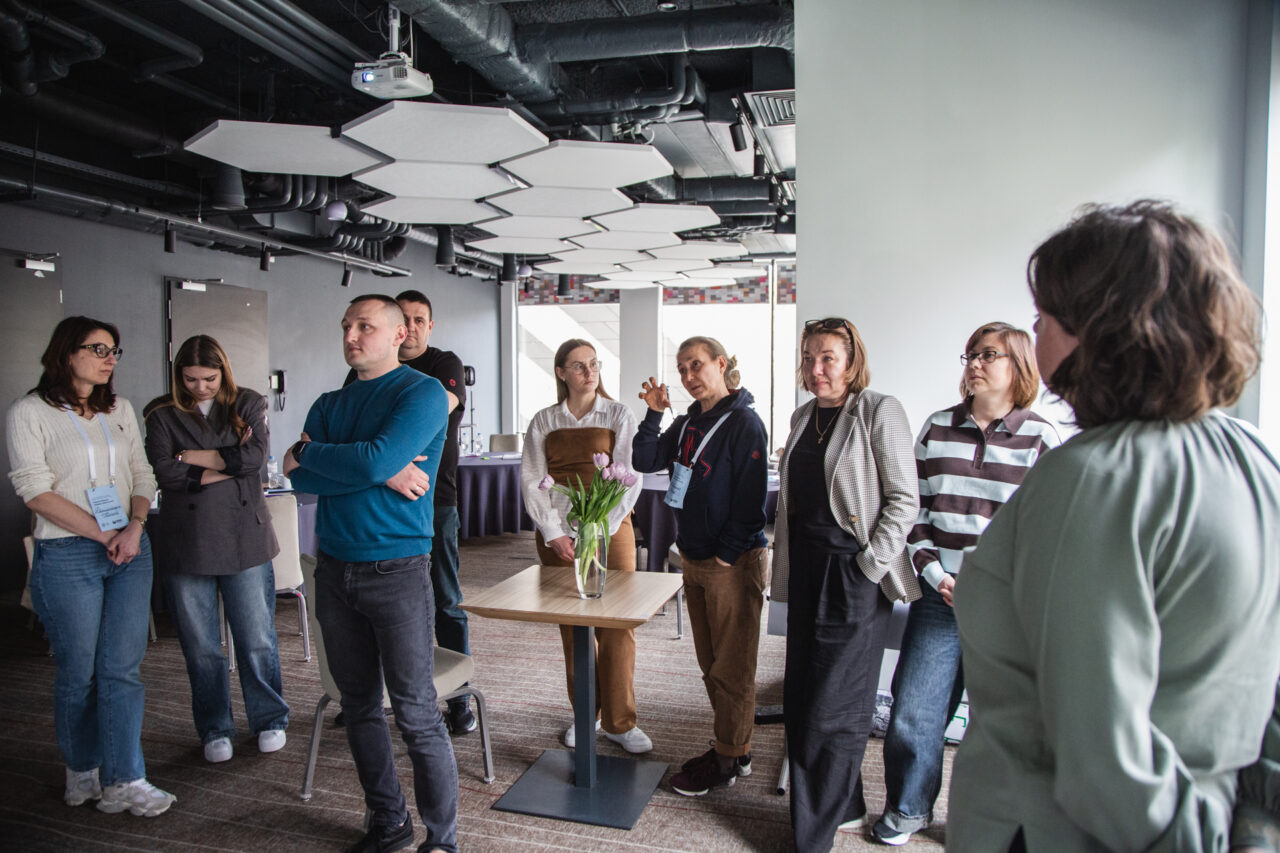
Participants presented their projects and shared the context in which they work. Joint mapping of project activities in thematic groups helped identify where organizations’ approaches overlap and where they could complement each other. A dedicated session focused on identifying resources — what each organization has and what could be useful to other members of the network.
The “Meeting Marketplace” format enabled targeted conversations between teams that saw potential for collaboration. The day concluded with collective work on a “Collaboration Map,” where participants recorded concrete agreements — who could work with whom, in what formats, and for what purpose.
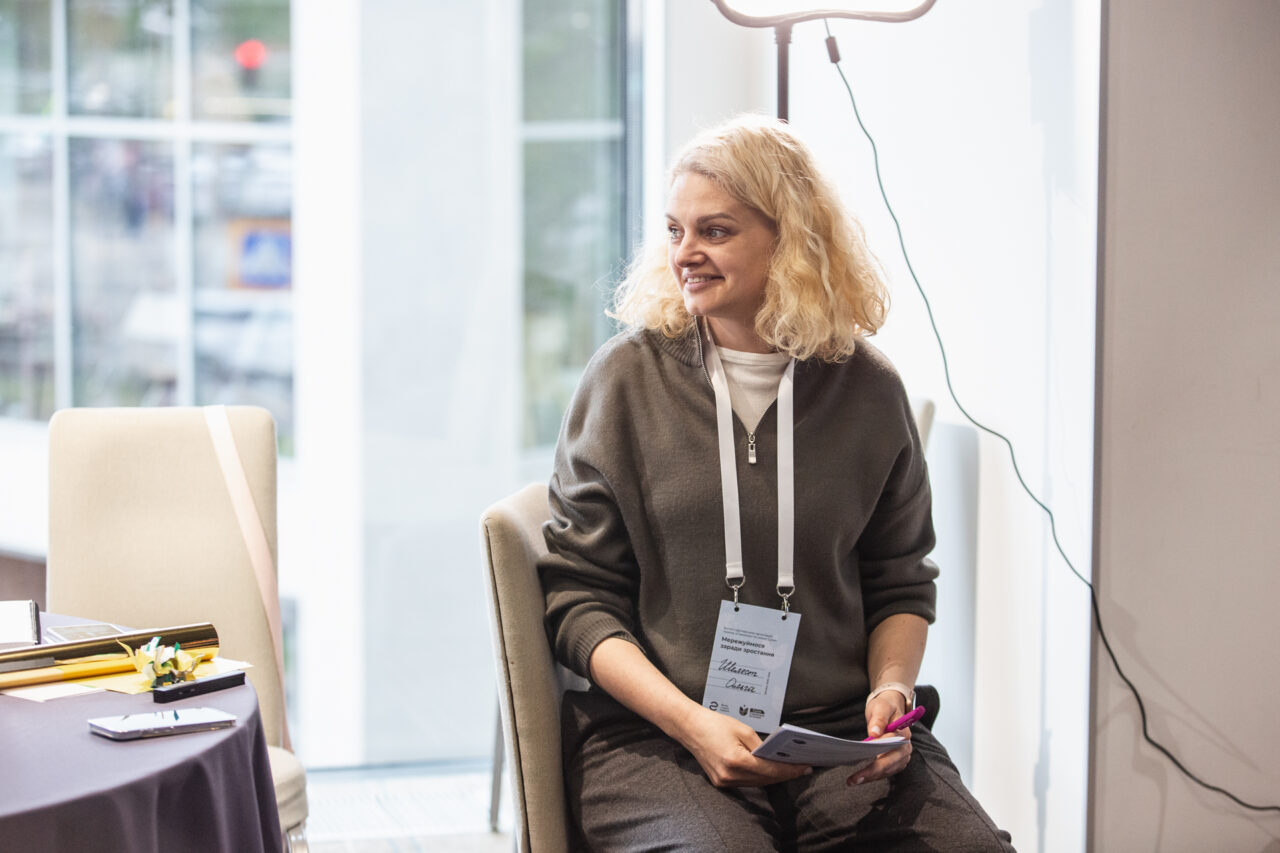
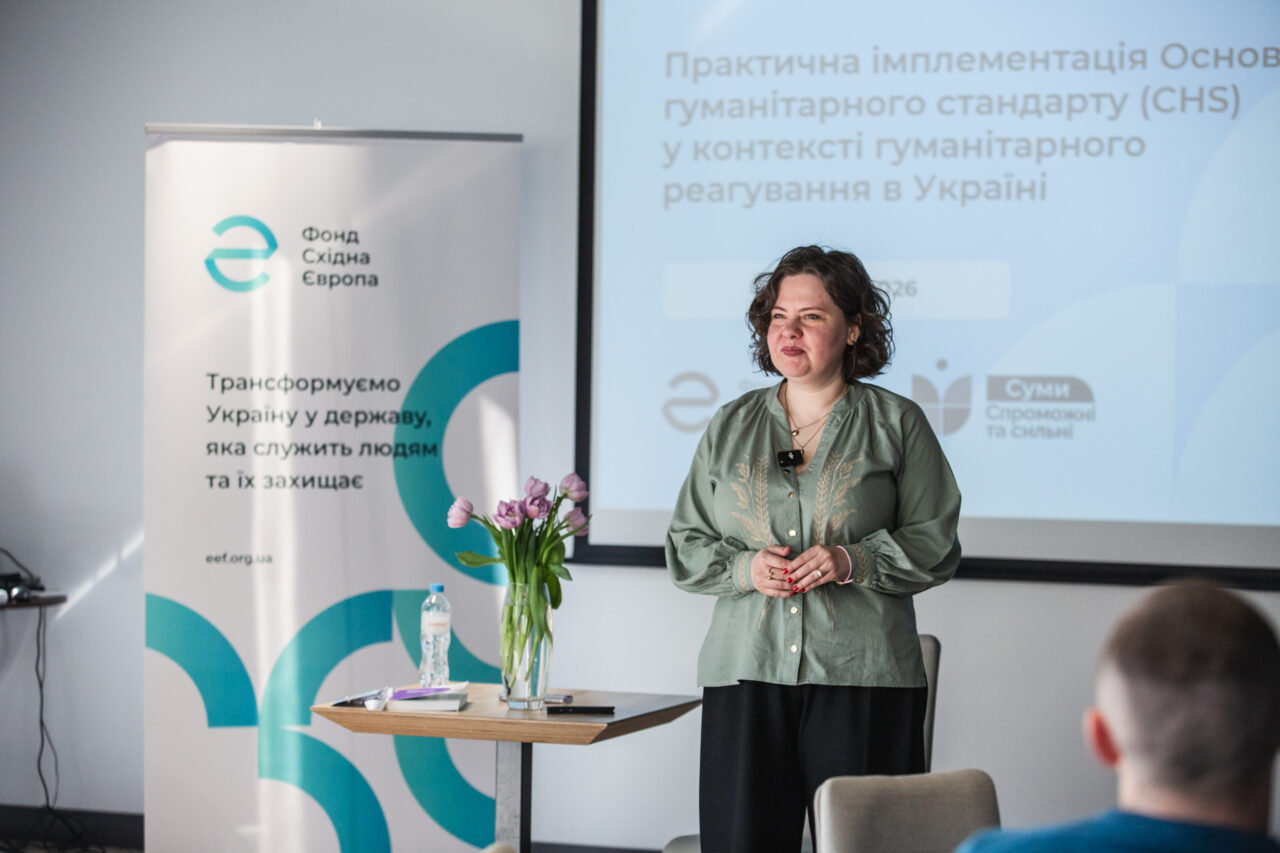
The second day was facilitated by Anzhelika Stakhovska, an expert and practicing trainer in safeguarding and organizational development in the non-profit sector, and a certified CHS trainer.
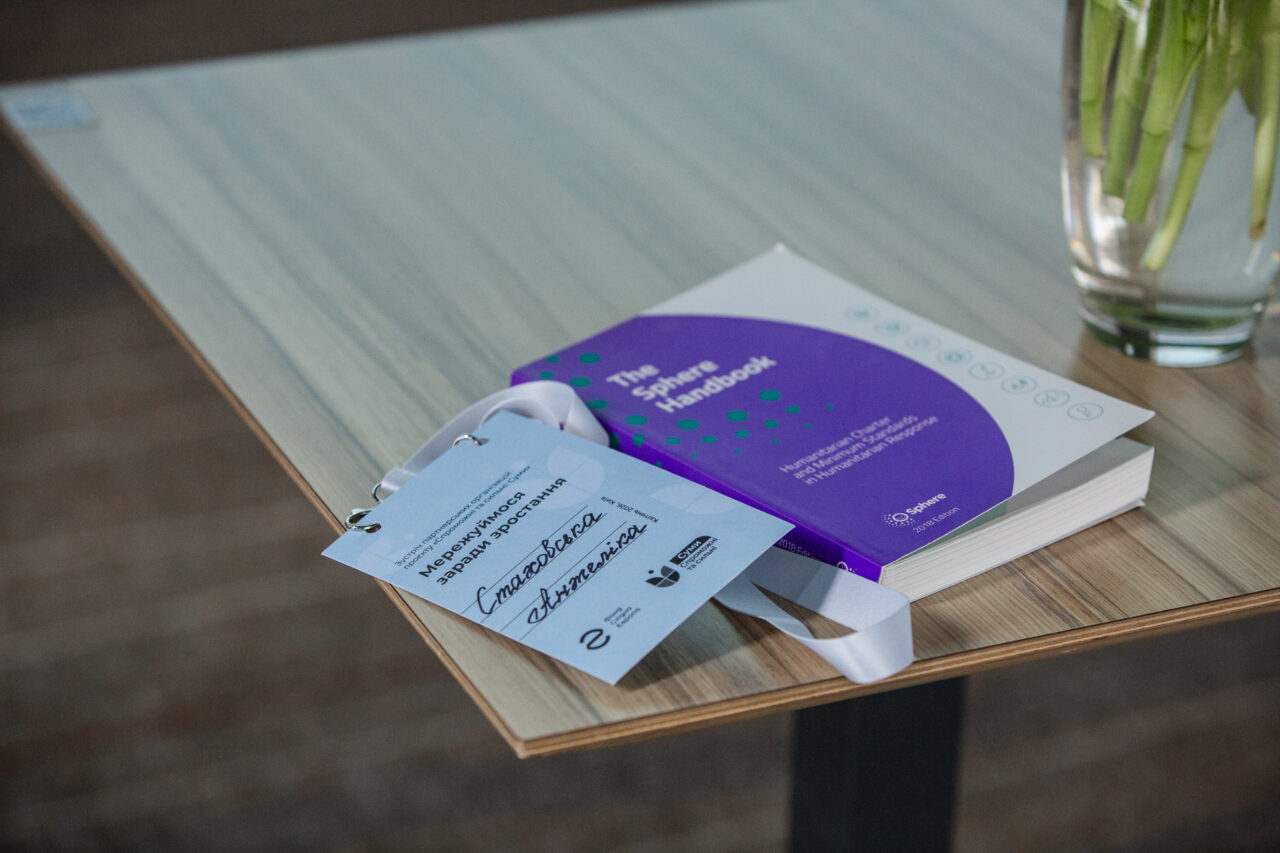
The day began with the Core Humanitarian Standard (CHS) — one of the key benchmarks for organizations providing humanitarian assistance. Participants reviewed the standard’s nine commitments and examined how they apply in the Ukrainian context. Following the theoretical session, each team conducted a self-assessment of their own organization — evaluating how well their processes, communication, and approaches align with CHS principles. The results were discussed collectively, helping to identify both strengths and areas for development.
The second half of the day was dedicated to safeguarding. Teams worked with PSEAH policies — on preventing sexual exploitation, abuse, and harassment — and discussed practical steps for developing and implementing them within their organizations. This is not merely a formal donor requirement, but a tool for protecting the people organizations work with and for.
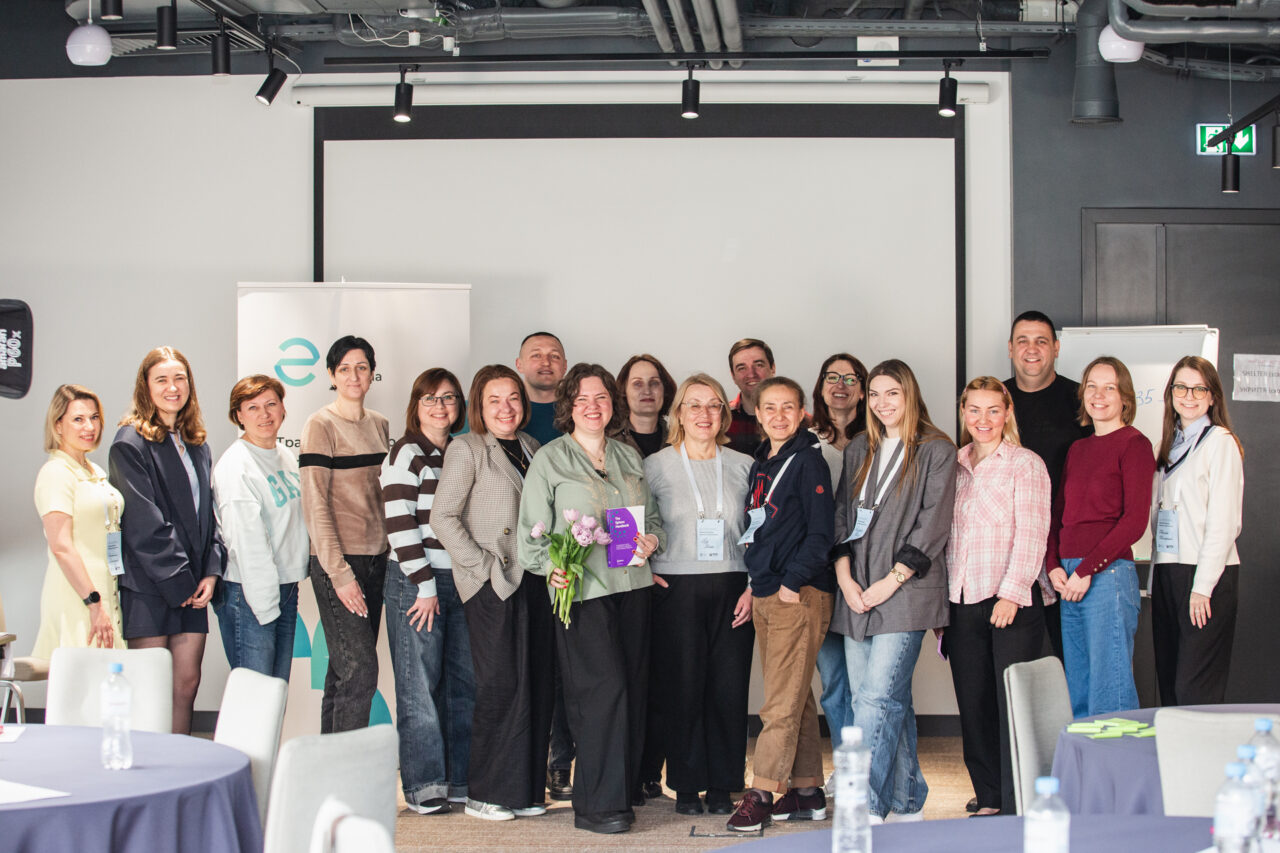
When organizations understand each other’s approaches, share a common context, and have established channels of communication, coordination becomes more achievable, and support for communities becomes more cohesive and effective. This is precisely what was built over these two days.
“We believe that the most effective solutions emerge at the local level. Through the ‘Capable and Resistant: Sumy’ project, we support local organizations that best understand the needs and challenges of their communities. We thank all participants for their openness, substantive work, and willingness to share their experience,” added Lesia Luchkovska, program manager of the “Capable and Resistant: Sumy” project.
The “Networking for Growth” event was held as part of the “Capable and Resistant: Sumy” project, implemented by East Europe Foundation.