



Share
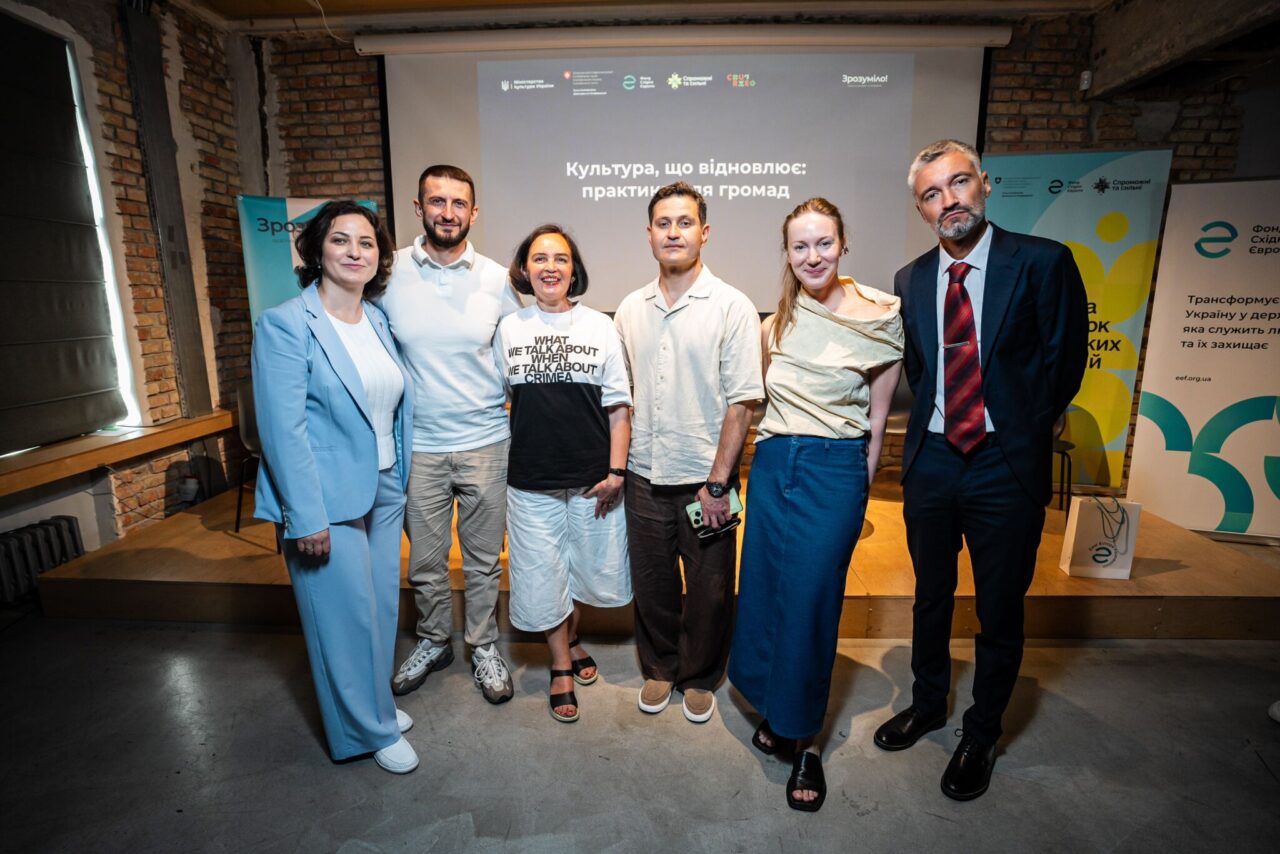
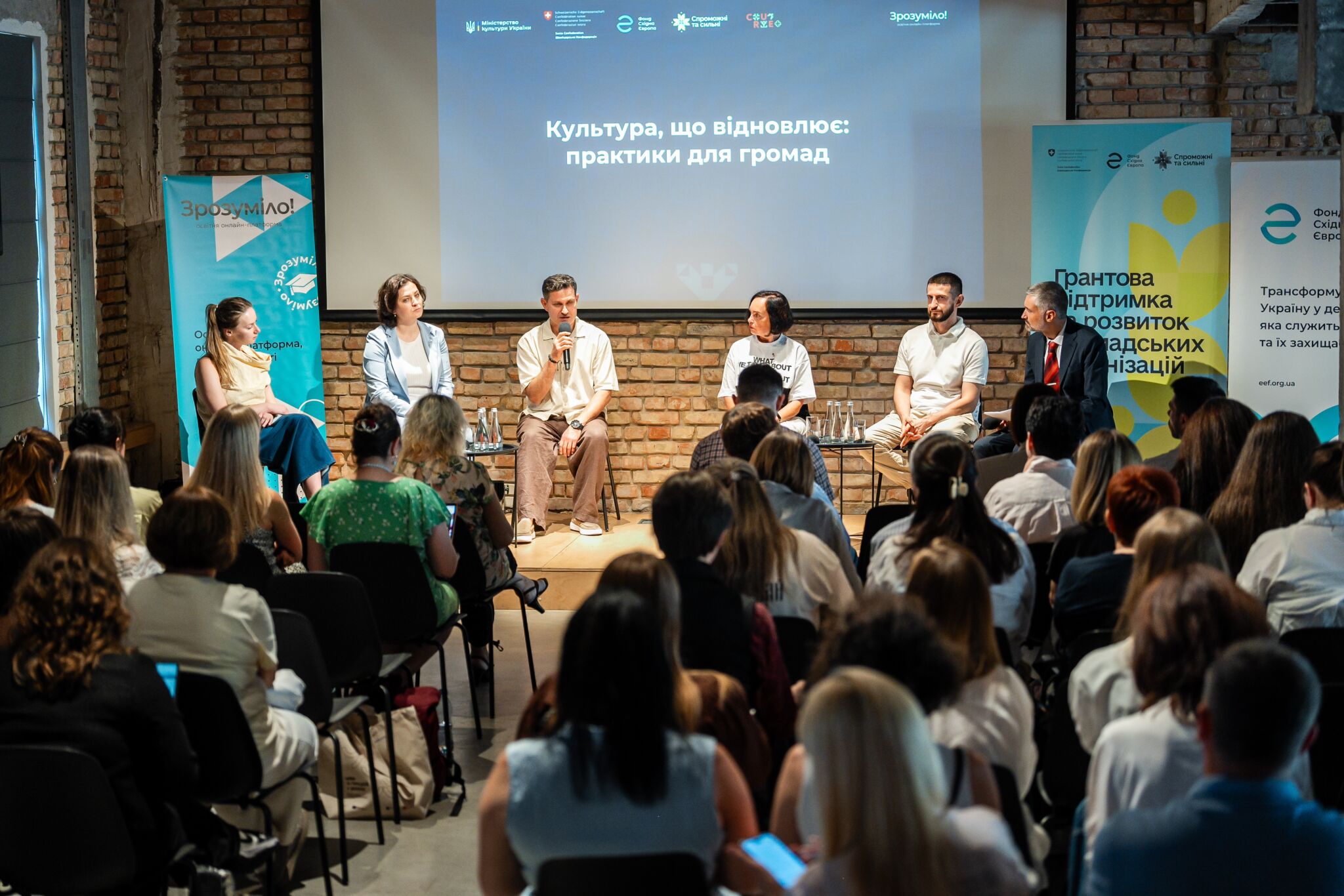
On 31 July, experts, practitioners, and community leaders came together to discuss the role of arts and culture in community recovery.
Despite the widespread perception that culture is somehow “non-essential” during times of crisis, cultural and artistic practices play a vital role in helping people process traumatic experiences, rebuild social connections, and strengthen community cohesion.
“Ukraine is developing a modern recovery approach that puts people at its centre. Culture helps people talk about difficult experiences, rebuild trust, restore a sense of belonging, and regain the ability to act together. This course provides civil society organizations with practical tools that can be applied directly in their work with communities,” said Tetiana Berezhna, Deputy Prime Minister for Humanitarian Policy and Minister of Culture of Ukraine.
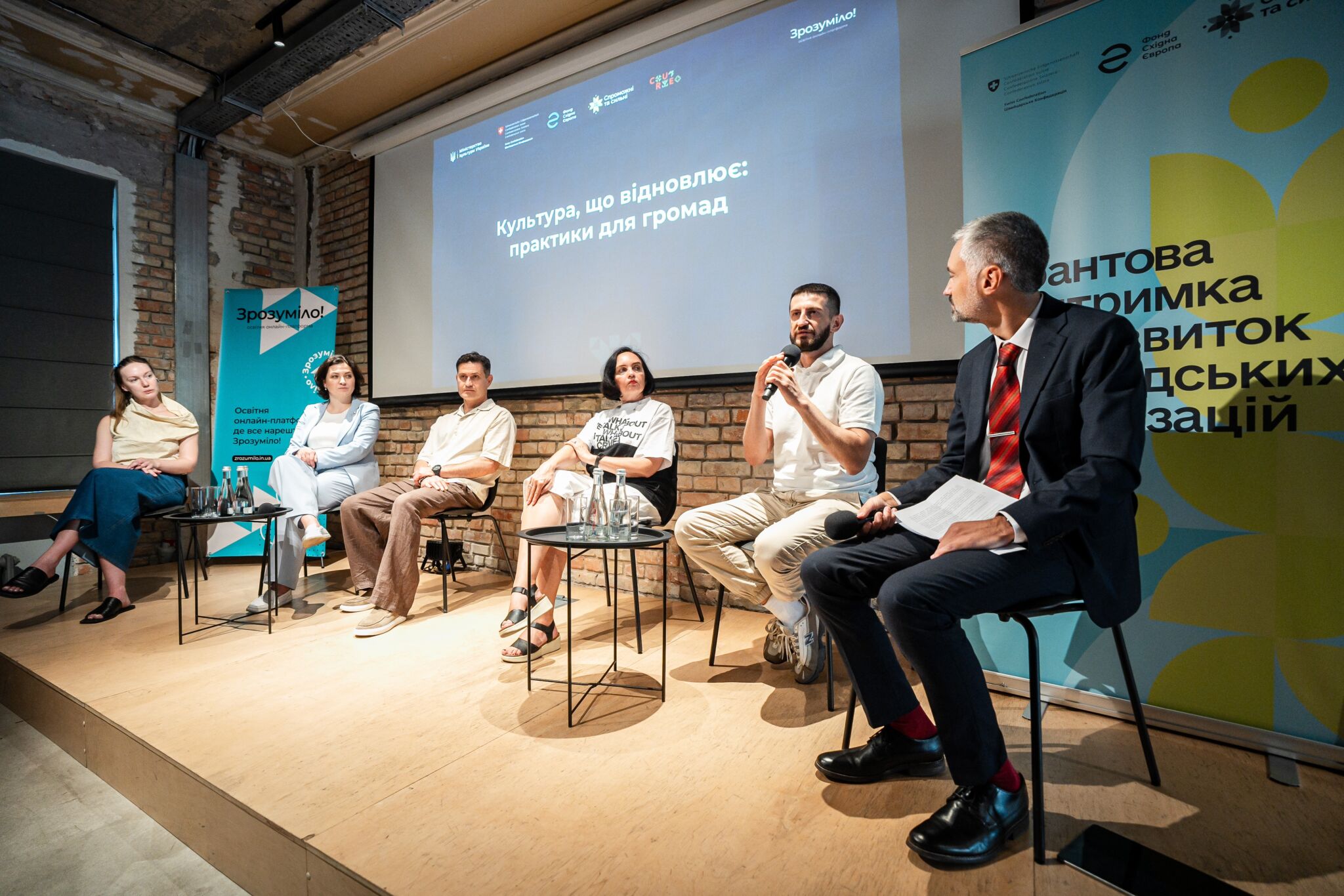
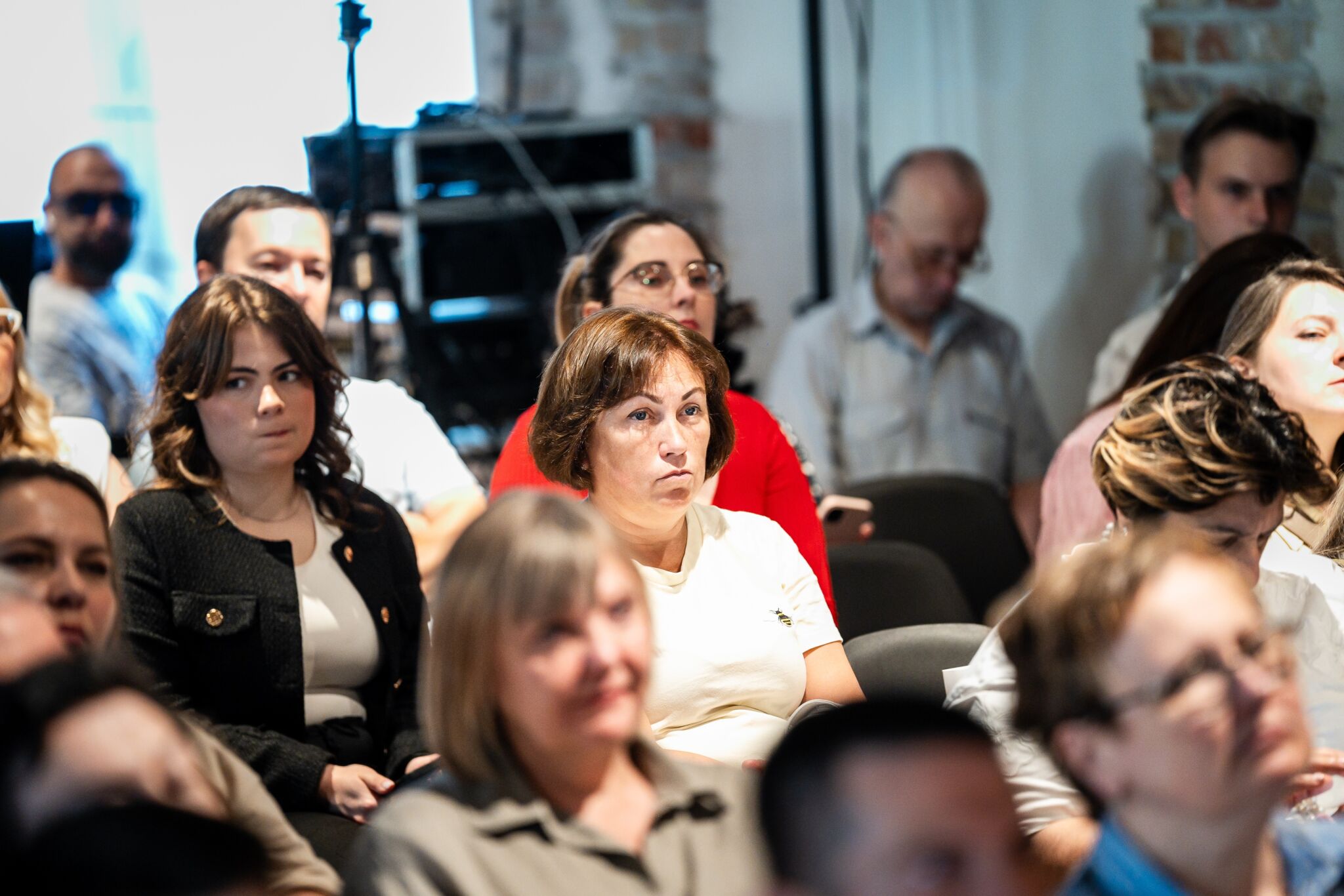
These themes were at the heart of the public discussion “Culture for Recovery: Community Practices,” organized by East Europe Foundation in partnership with the Ministry of Culture of Ukraine and with the support of Switzerland. The event brought together representatives of civil society and charitable organizations, cultural managers, public authorities, international partners, and everyone involved in the recovery of Ukrainian communities.
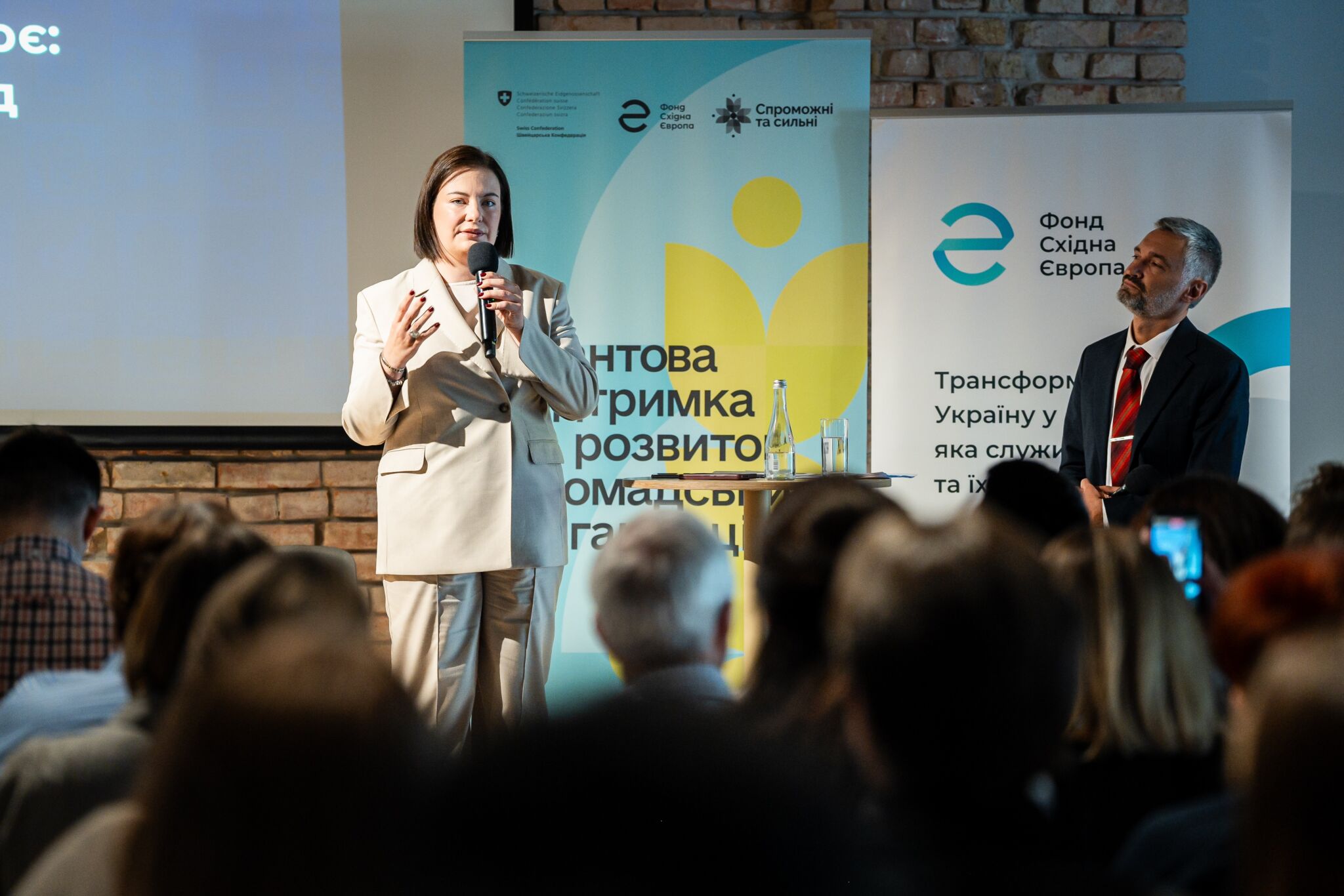
“Civil society organizations have spent years developing a deep understanding of their communities, their needs, resources, and the people who live in them. This unique expertise should be integrated into the broader recovery ecosystem alongside government programmes and international support. Our course explains why cultural and artistic practices matter in the work of CSOs, what forms they can take, who they are designed for, and how they can become part of wider recovery efforts,” said Vira Nedzvedska, Vice President for Strategic Partnerships at East Europe Foundation.
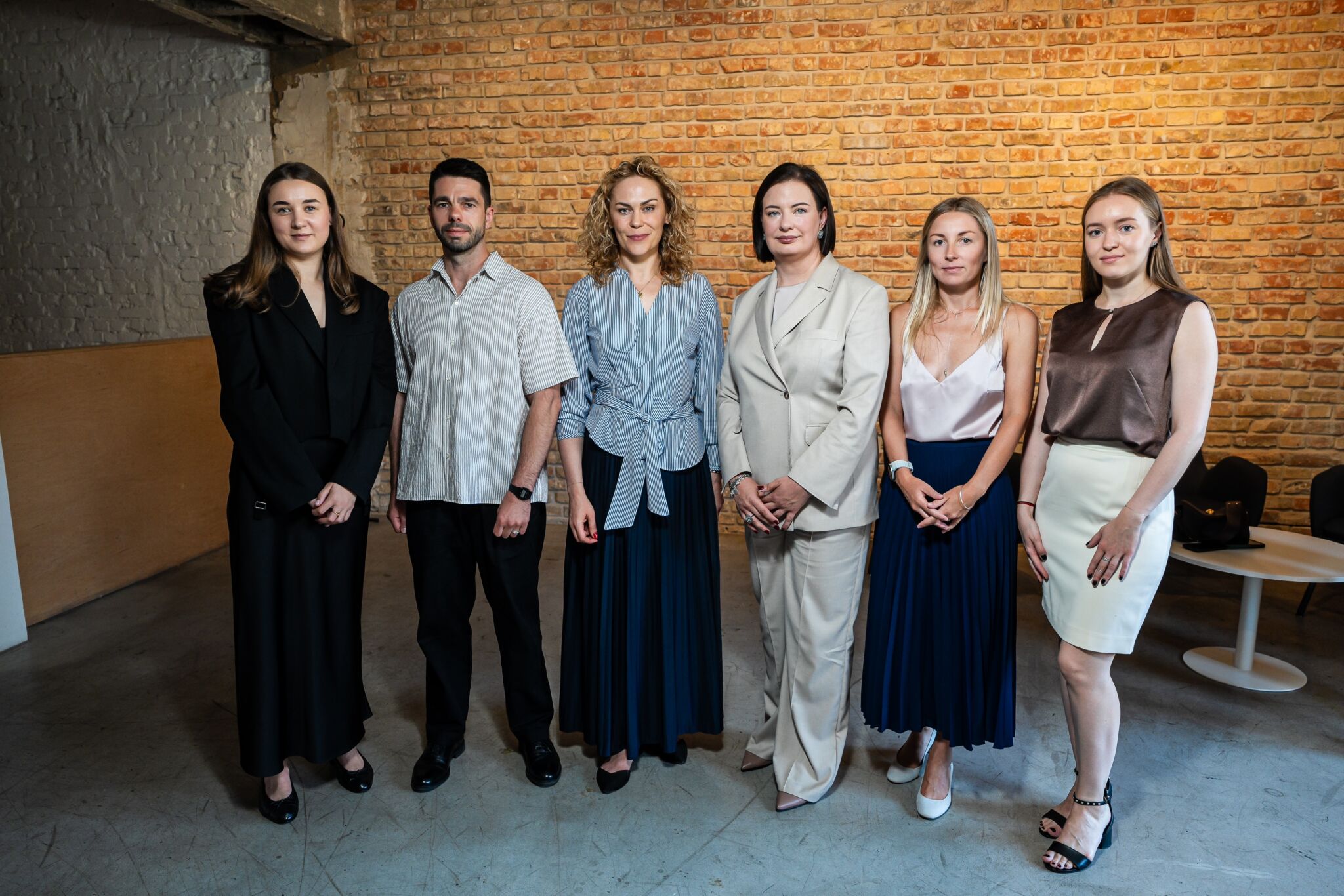
The discussion featured:
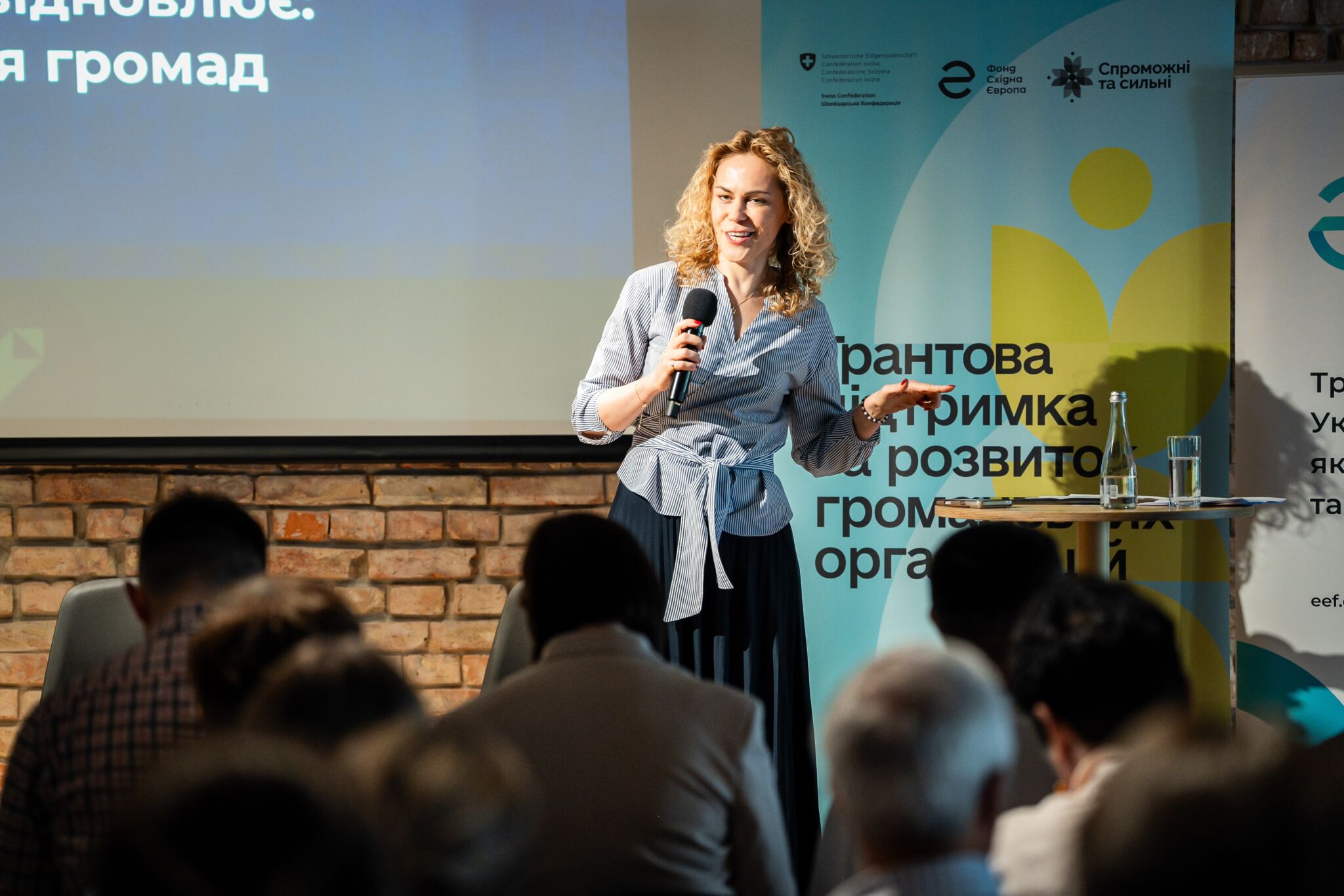
“Integrating cultural and artistic practices strengthens humanitarian projects, helps organizations respond more effectively to people’s needs, and creates long-term impact within communities. The course provides a clear roadmap, from defining objectives and selecting the right format to engaging participants, partners, and donors,” emphasized Anastasiia Bondar, Deputy Minister for Digital Development, Digital Transformation and Digitalization at the Ministry of Culture of Ukraine.
“Switzerland has consistently supported Ukraine’s civil society sector, innovation at all levels, and the development of new approaches to humanitarian response and recovery. Cultural and artistic practices should be part of these efforts, whether through therapeutic recovery activities for vulnerable groups, the design of public spaces, or many other initiatives that help communities recover and enhance the impact of humanitarian projects,” noted Oleh Masyk, Humanitarian Aid Program Coordinator at the Embassy of Switzerland in Ukraine.
Participants explored:
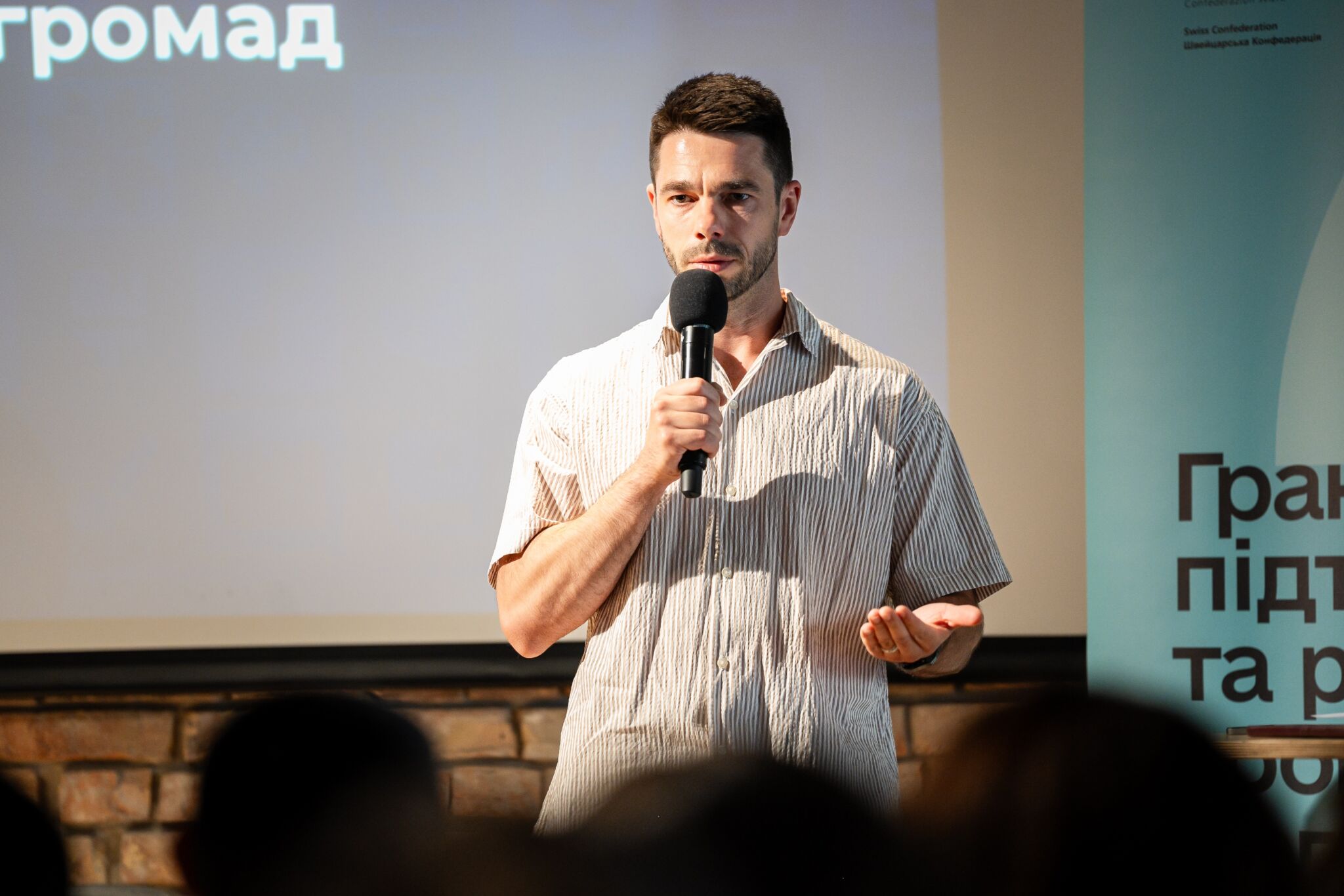
Experts also discussed how cultural and artistic practices can support people with diverse lived experiences and shared examples from their own work. Actor and director Akhtem Seitablaiev, Artistic Director of the Veterans’ Theatre, explained that theatre helps veterans not only process their experiences but also regain confidence and improve their quality of life.
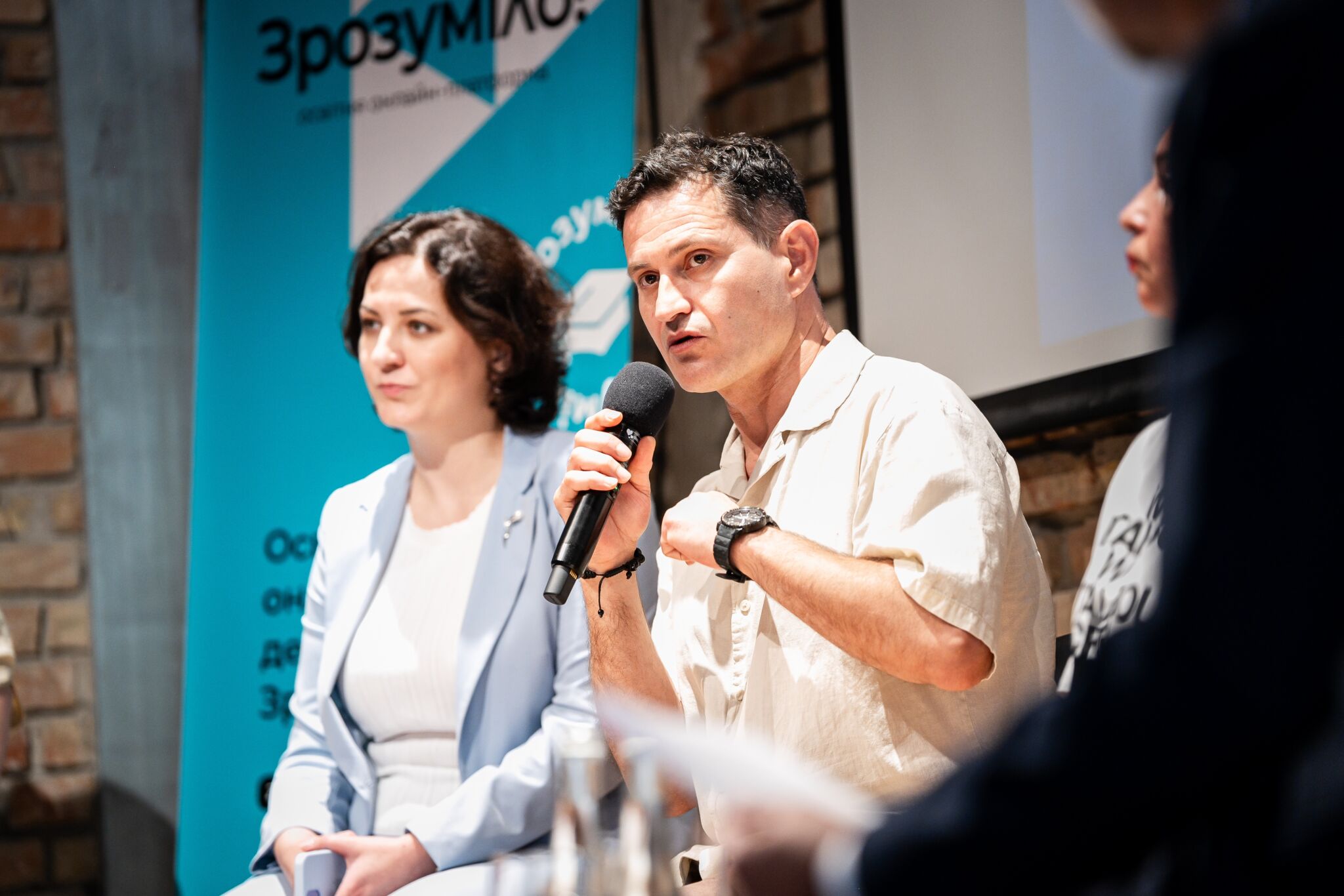
He shared the story of Yehor Babenko, a veteran who suffered severe burns during the war and later became a military psychologist and well-known blogger after participating in theatre projects. He also spoke about Maya, a combat medic who barely left her home for almost a year after returning from the front. Following her involvement with the Veterans’ Theatre, she went on to become a world-record holder in archery among veterans. According to Seitablaiev, stories like these demonstrate how culture helps people rebuild self-confidence, reconnect with others, and return to active participation in society.
He also highlighted the experience of Andrii Onopriienko, another member of the theatre who returned to the stage after sustaining a severe injury. Despite significant physical limitations, he performs by relying on music, rhythm, and audio cues to time his entrances. Seitablaiev noted that theatre helped Andrii learn to work as part of a team again, while his story continues to inspire others.
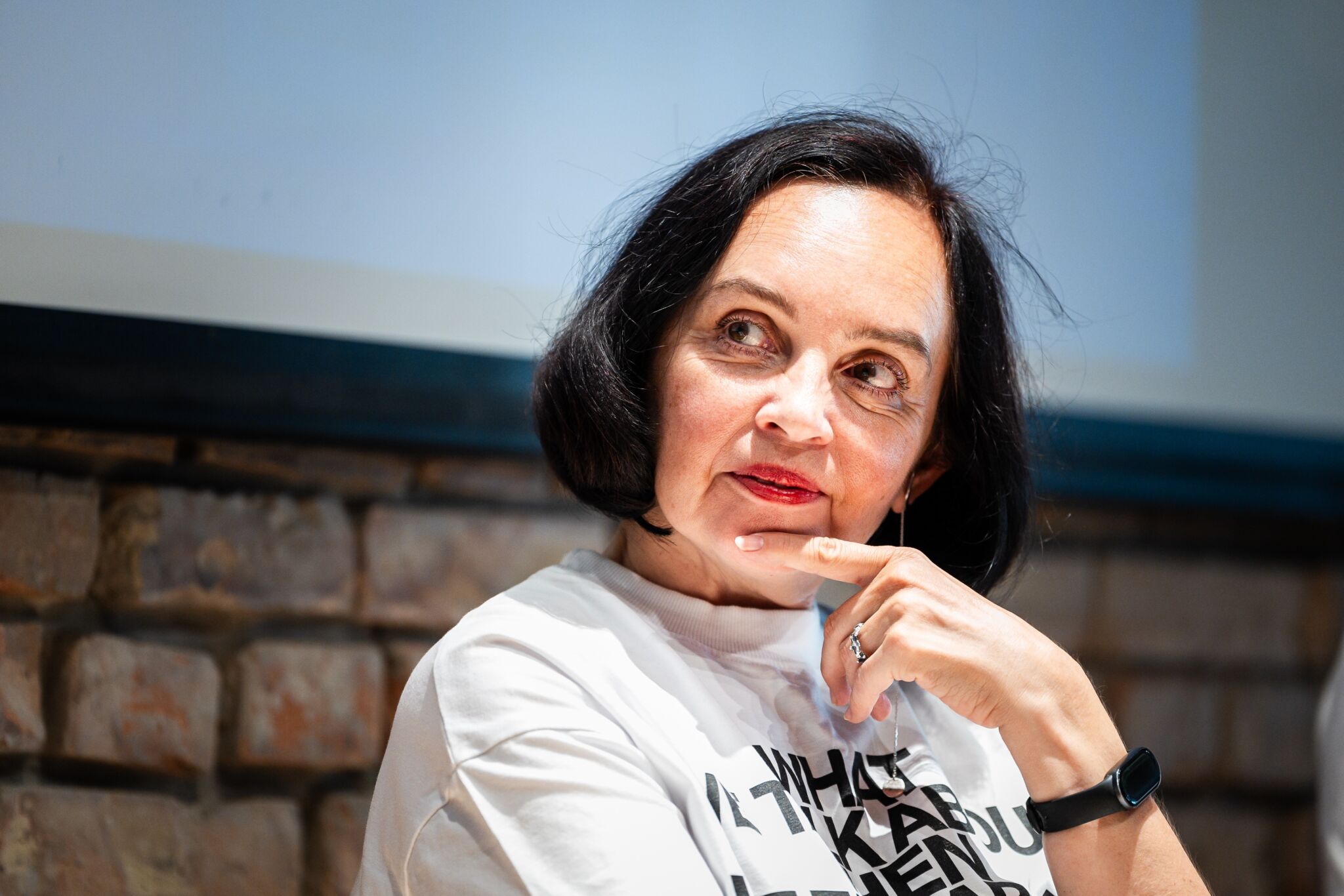
Oksana Dovgopolova, Professor at Kyiv School of Economics and Co-founder and Curator of the Past / Future / Art Memory Culture Platform, focused on the role of art in engaging with memory and trauma. She stressed that art should not be equated with psychosocial support. Culture does not always provide comfort or ready-made answers. Instead, it enables people to reflect on their experiences, ask difficult but important questions, discover new meanings, and reconnect with their sense of identity. For this reason, cultural practices are an essential component of recovery for both individuals and communities affected by war.
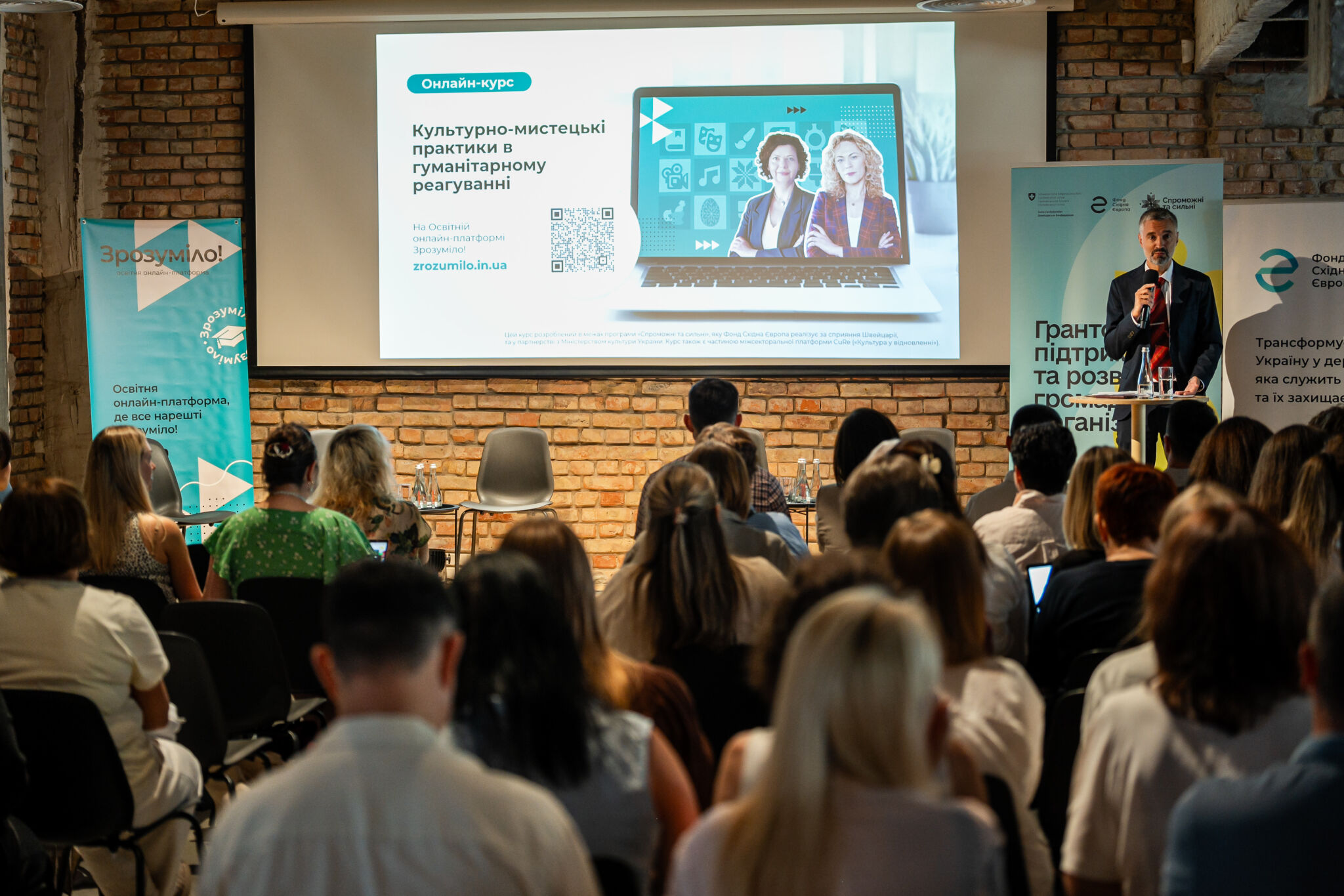
The event also featured the presentation of the new online course “Cultural and Artistic Practices in Humanitarian Response.”
The course is designed to help civil society organizations integrate cultural and artistic approaches into humanitarian and recovery initiatives. Available on the Zrozumilo! Educational Online Platform, it offers practical tools, expert guidance, and real-world case studies.
Participants who successfully complete the course receive a certificate worth 0.2 ECTS credits (six academic hours), which can be recognised as self-directed professional learning.
The course was developed within the Capable and Resilient Program, implemented by East Europe Foundation with the support of Switzerland and in partnership with the Ministry of Culture of Ukraine. It is also part of the cross-sectoral CuRe (Culture in Recovery) platform.