


Share
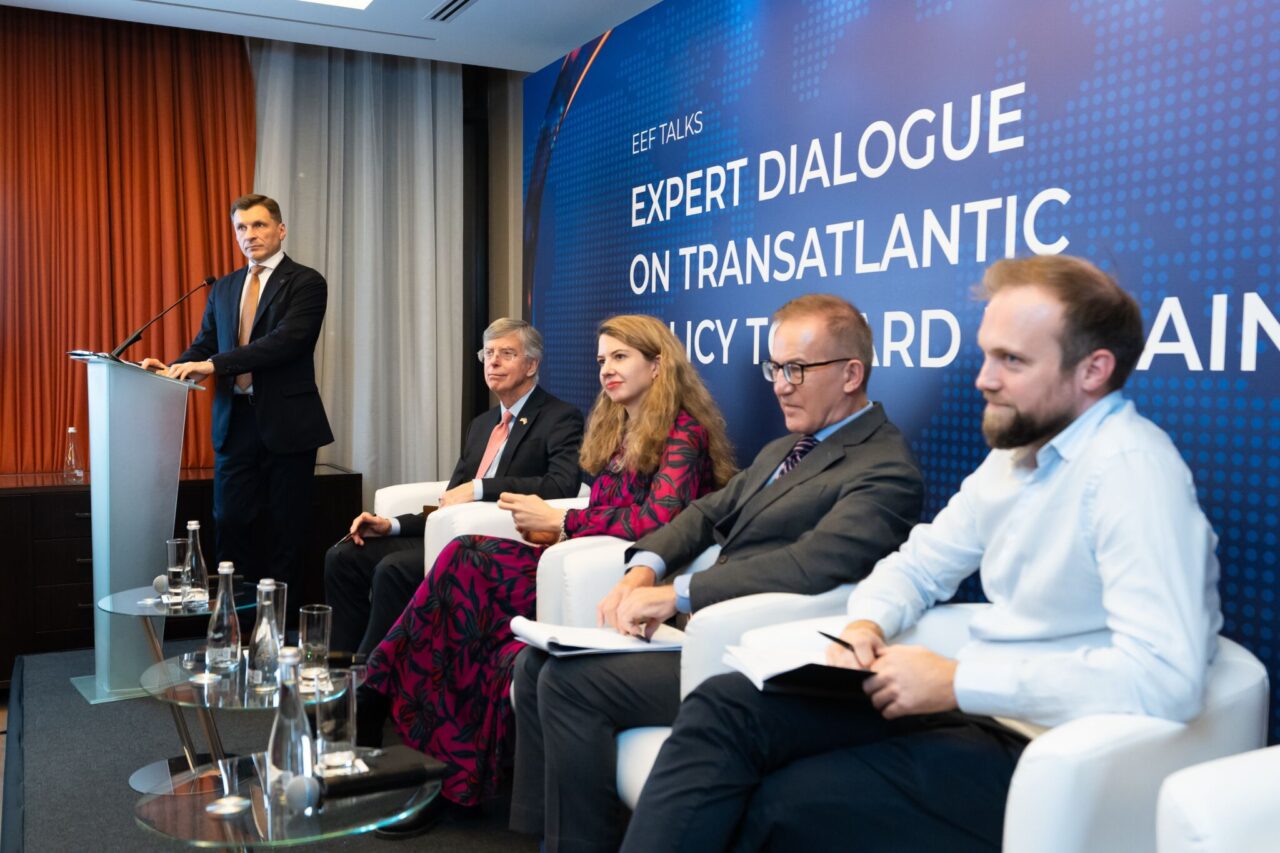
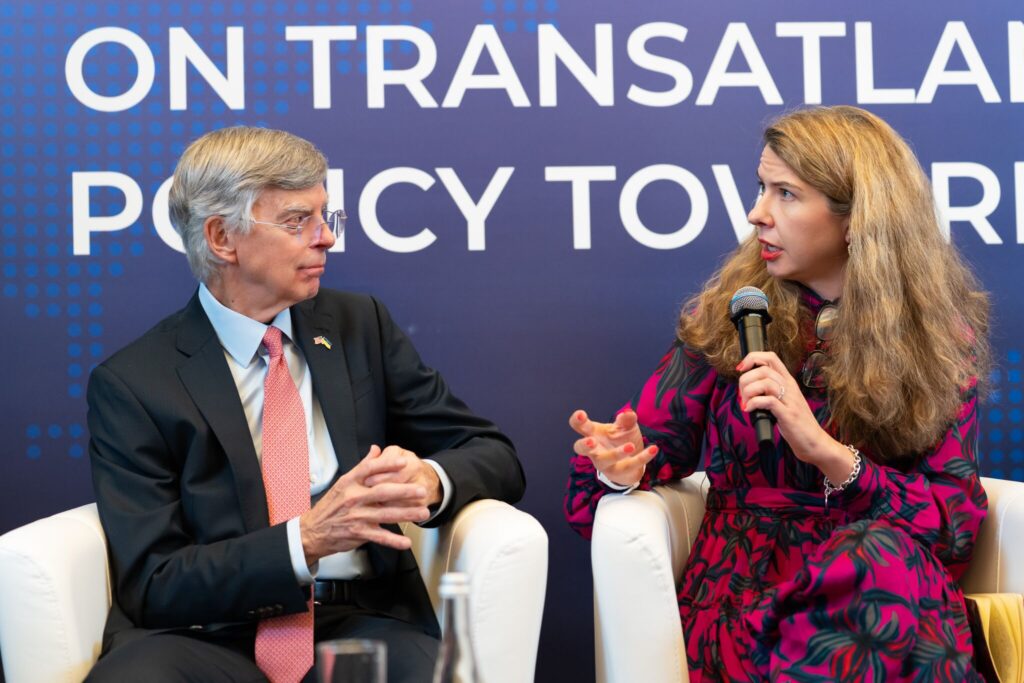
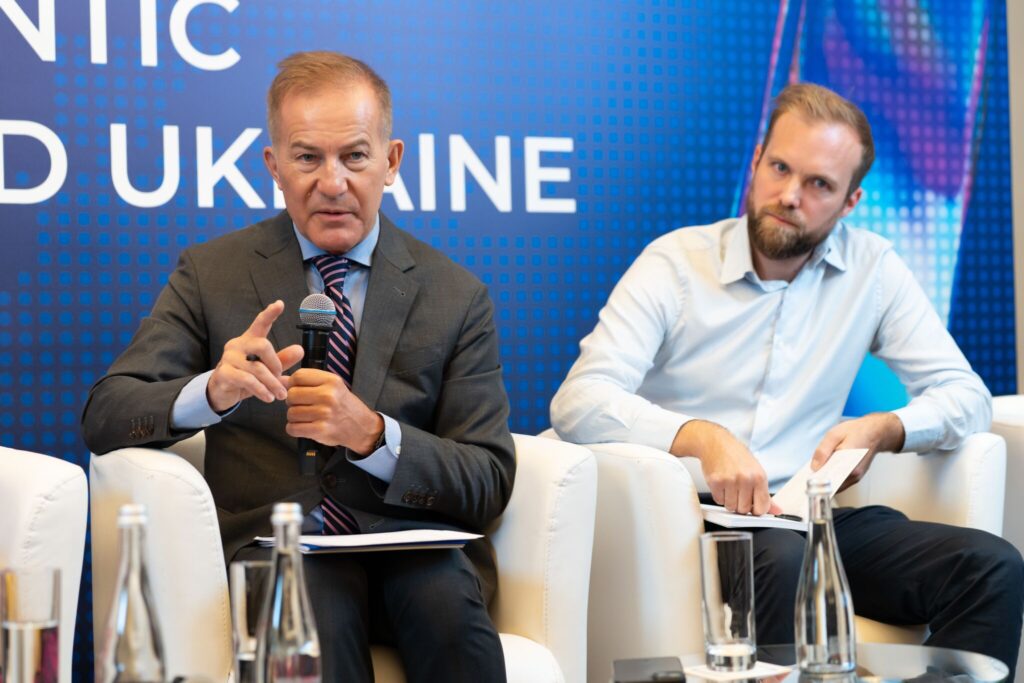
On December 2, 2025 in Kyiv, East Europe Foundation held EEF Talks – the first event in a series of thematic discussions that brought together thought leaders, diplomats, media representatives, business, and civil society. The overarching theme was transatlantic policy toward Ukraine and the challenges that will define the year 2026.



EEF Talks takes place within the Foundation’s international advocacy program cluster and is aligned with the semi-annual meeting of the East Europe Foundation Board of Directors – leaders from different sectors and countries who share the Foundation’s mission and support its work. This is the first event in a series dedicated to issues of security, reconstruction, international policy, and the various challenges facing Ukraine.
Participants in the discussion included:
The event was moderated by Victor Liakh, President of East Europe Foundation.
The discussion focused on how domestic processes in partner countries influence their decisions and what steps are needed to maintain support for Ukraine at all levels.
Given upcoming elections and shifting priorities in many countries, support for Ukraine by the Western world cannot be taken for granted. Aggregate military assistance from partner countries fell by 43% in July–August 2025 compared to the first half of the year (according to Kiel Institute). However, support for Ukraine must remain high on the global agenda.
Victor Liakh, President of East Europe Foundation:
“Advocacy for Ukraine must happen at every level – from governments and parliaments to business and civil society. Because what is happening in Ukraine today will determine not only the architecture of global security but whether the democratic world will survive at all.”
The discussion also addressed whether transatlantic unity can withstand the pressure of domestic political processes in the U.S. and EU, Russian propaganda, and how these factors influence decisions on Ukraine. Participants debated peace plans and realities – what can realistically be achieved in 2026 and what conditions can be created for ending the war.
Ambassador William B. Taylor:
“The current Trump administration is actually stuck in its commitment to end this war. They may lack ideological views or a vision of what the world will look like in two, five, or ten years. But they are trapped by their own commitment.”
Melinda Haring:
“This year can be considered successful if the supply of weapons and intelligence from the U.S. continues. Yes, that’s really a minimal standard – but given current events, that’s what we can hope for.”
A significant part of the conversation emphasized that Ukraine should not be perceived as a burden, nor assistance as charity. Ukraine’s long-standing resilience and defense strategies make it a key partner for NATO and the EU.
Marian Vogel:
“Don’t look at Ukraine as a charity case. Ukraine has one of the best armies in the world – the most experienced army that knows what to do in modern wars. This is a huge opportunity for us [Europeans] to learn. And of course, in the context of European integration, you [Ukrainians] also have your part to do, showing what you are capable of.”
Michael Bociurkiw:
“I want to say a few words about resilience because all of us who often come to Ukraine or live here see incredible examples of resilience – especially among small businesses that keep operating without electricity, without many resources. But it’s important to explain this resilience to the world correctly: it does not mean that Ukraine does not need help.”
Watch the full discussion on East Europe Foundation platforms:
YouTube (English stream): https://www.youtube.com/live/mx7Y-P1wFn4
Facebook (Ukrainian stream): https://www.facebook.com/share/v/1SLrKVZ8H4/
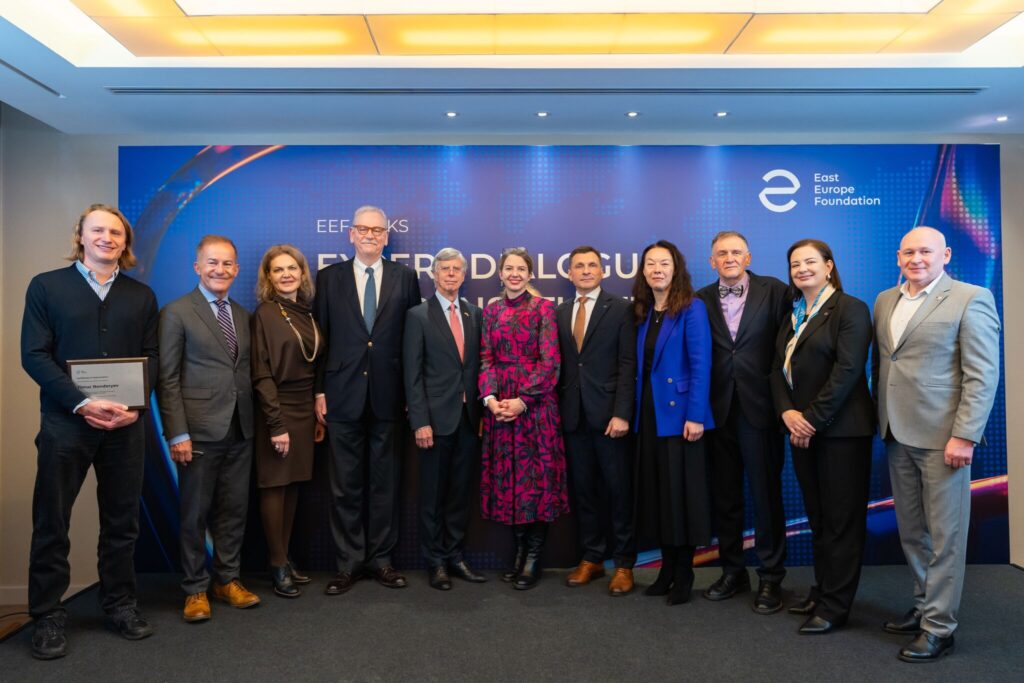
Follow East Europe Foundation updates and join us for the next EEF Talks.