



Share
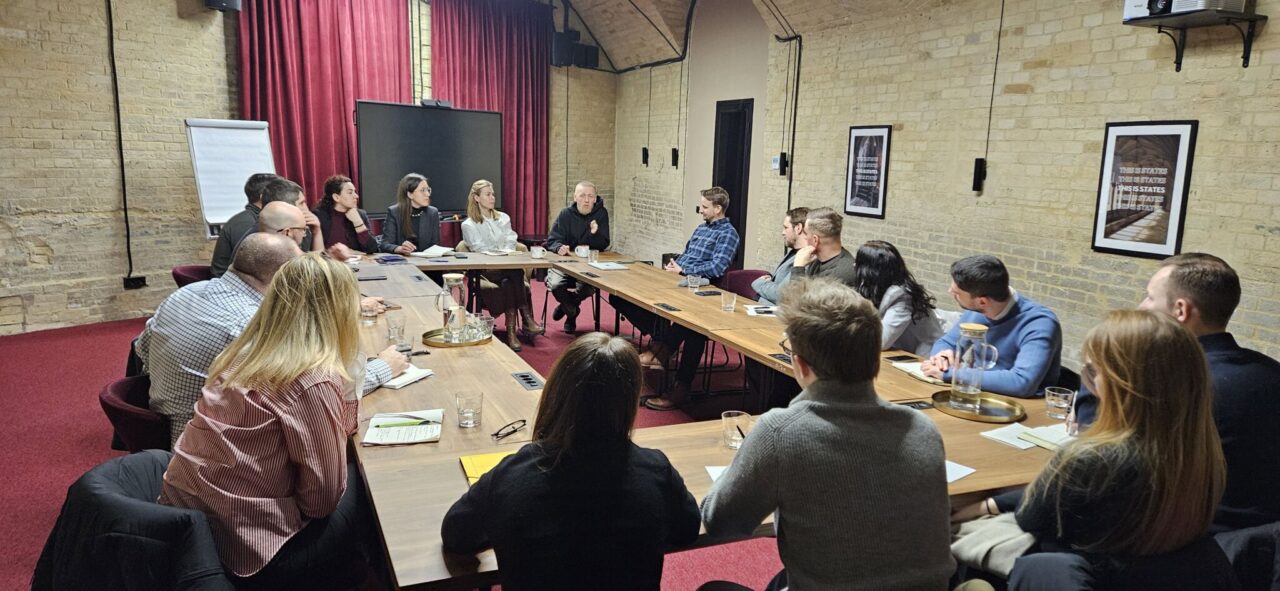
Given full-scale war, personal visits of international partners to Ukraine are crucial. They are an opportunity to share experiences, as well as a chance to witness a struggling country and listen to those ensuring its resilience.
This describes the visit of the Bundestag parliamentary delegation to Kyiv that our Foundation organized in cooperation with the Zentrum Liberale Moderne (Berlin), as part of the “Ukraine on the road to the EU” project (former “Ukraine in Europe: Parliamentary Dimension” program).
The German delegation included representatives of parliamentary committees, teams supporting the Members of Parliament, and experts in the field of security and international policy.
The partners had a busy 3-day program of meetings with representatives of the Ukrainian Parliament, Government, security sector, civil society, and international organizations.
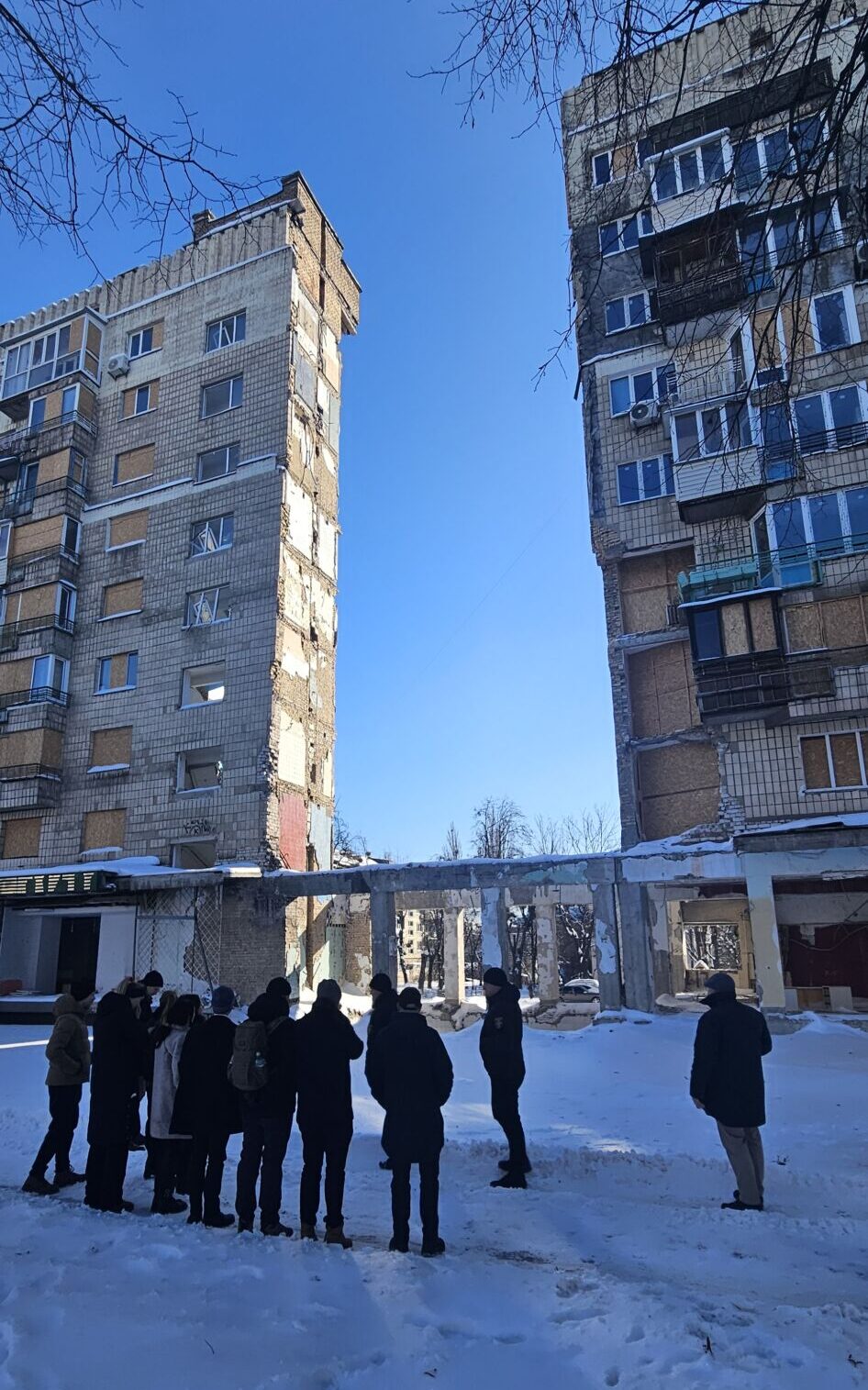
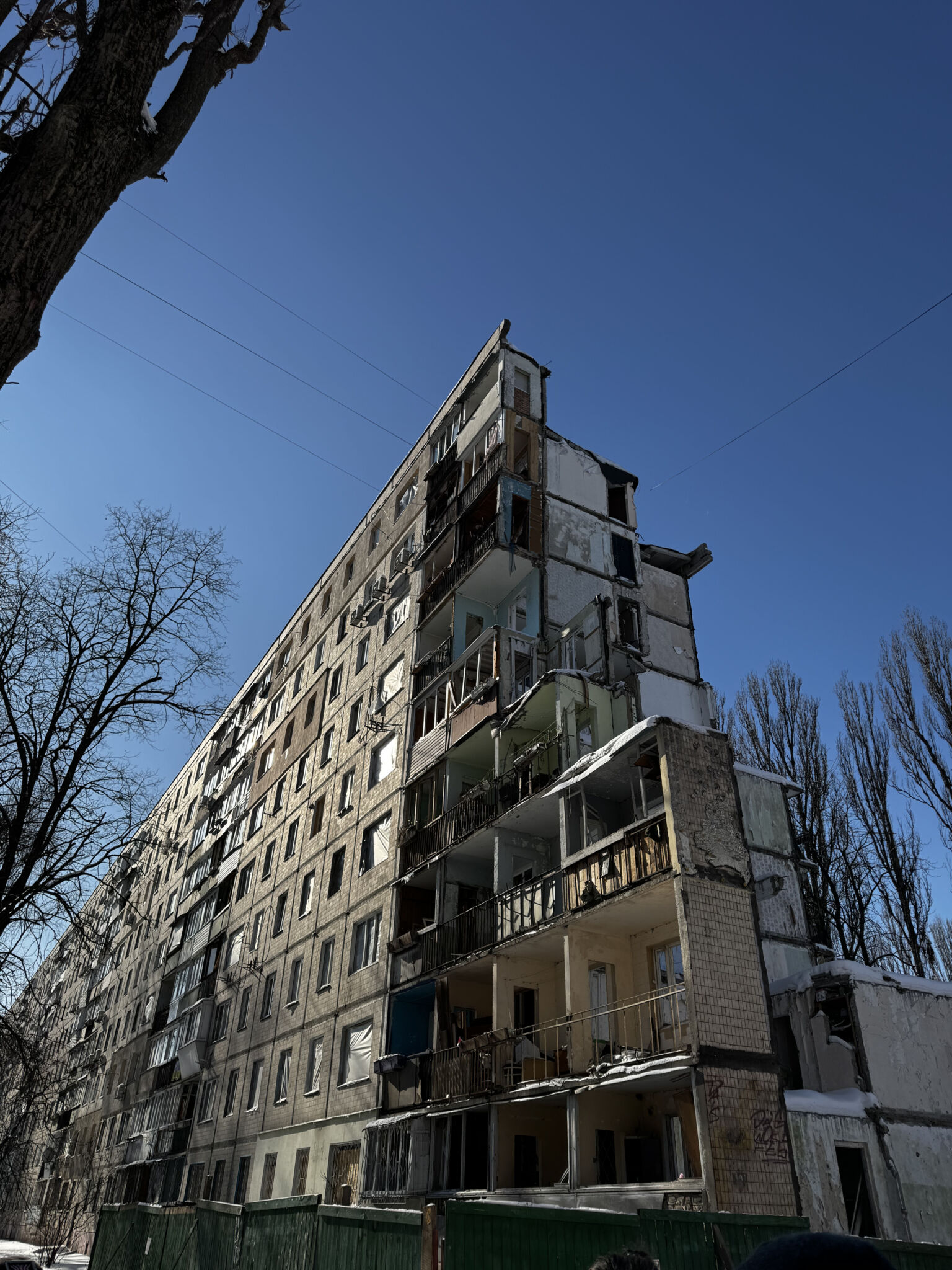
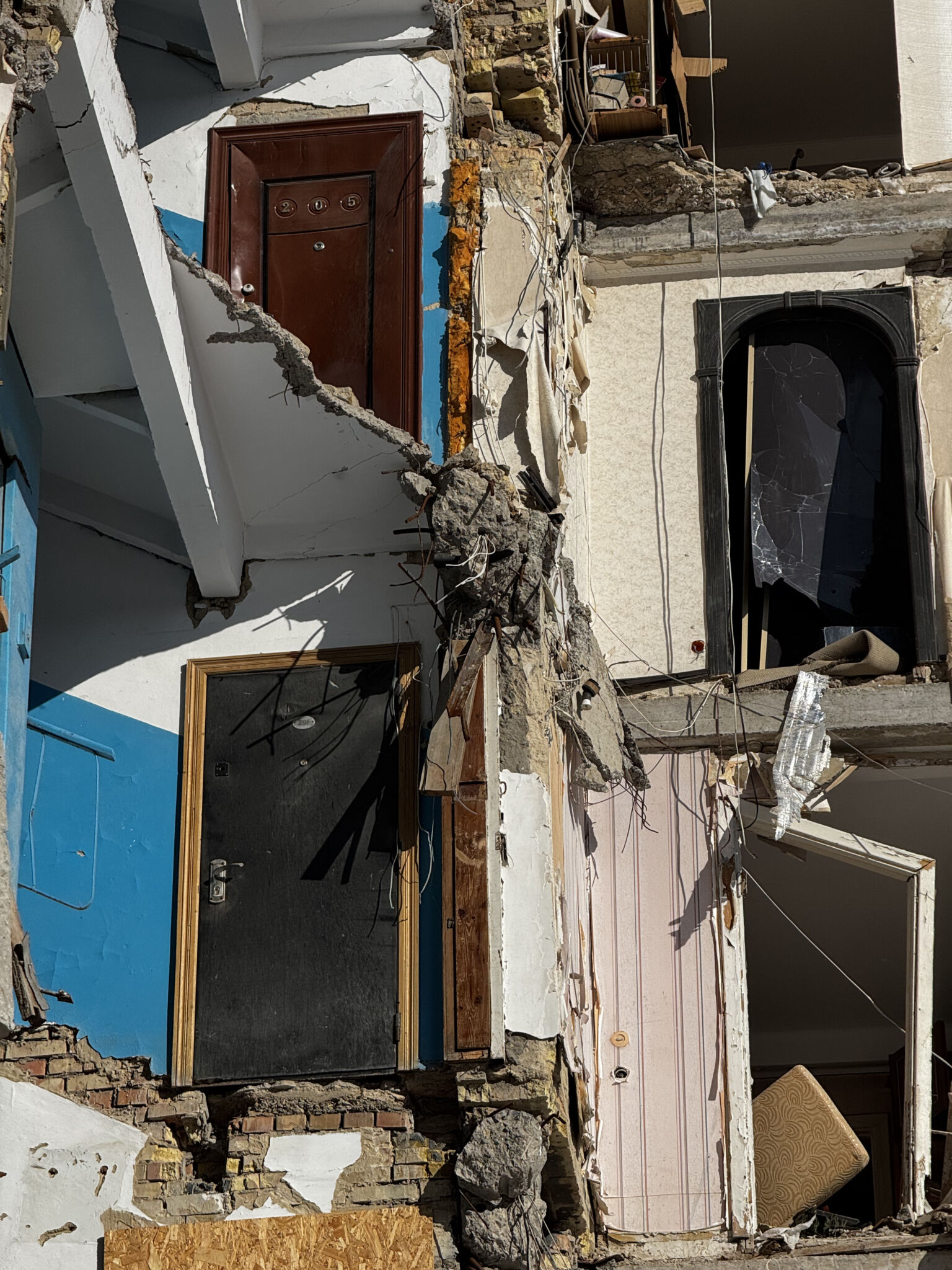
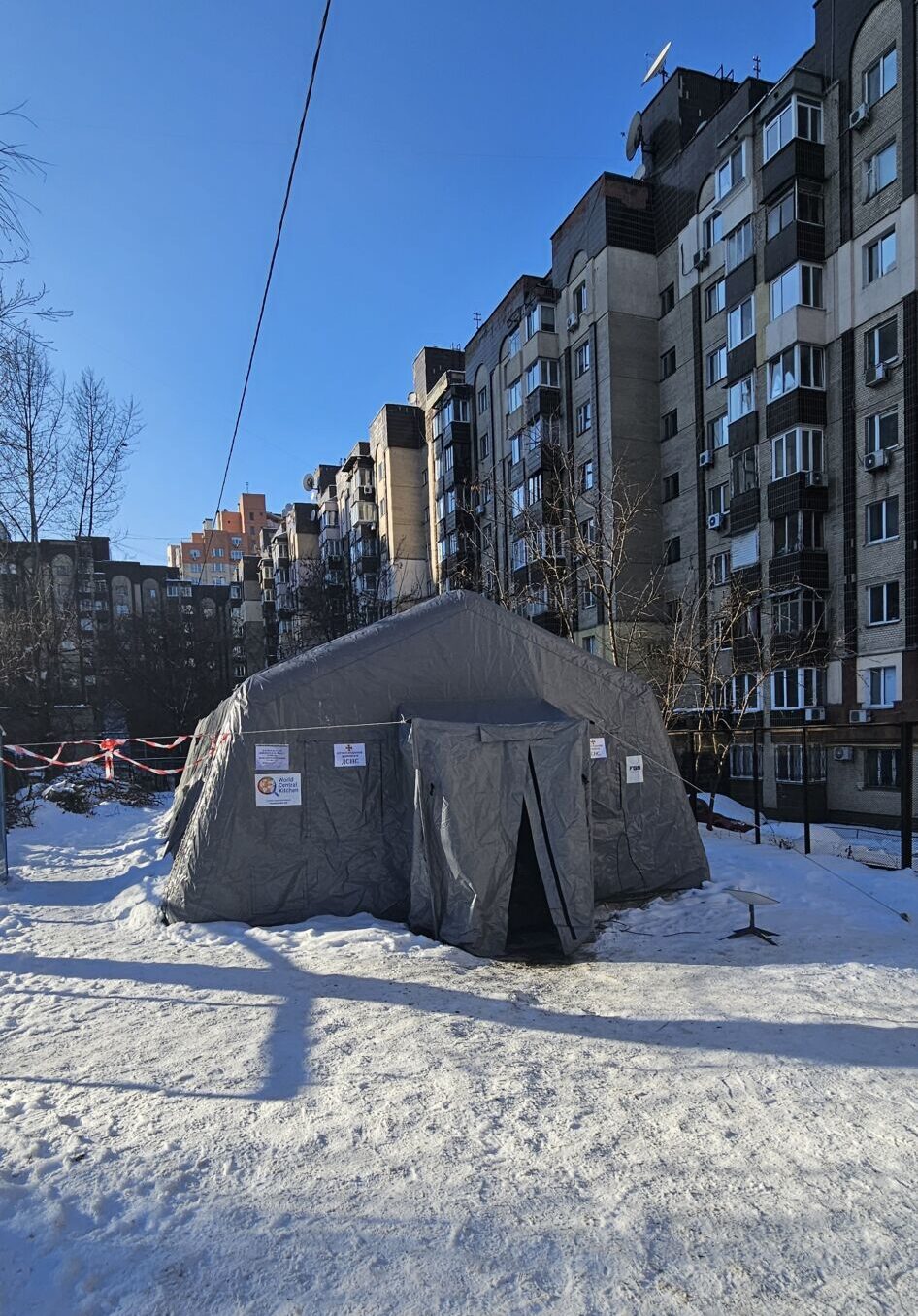
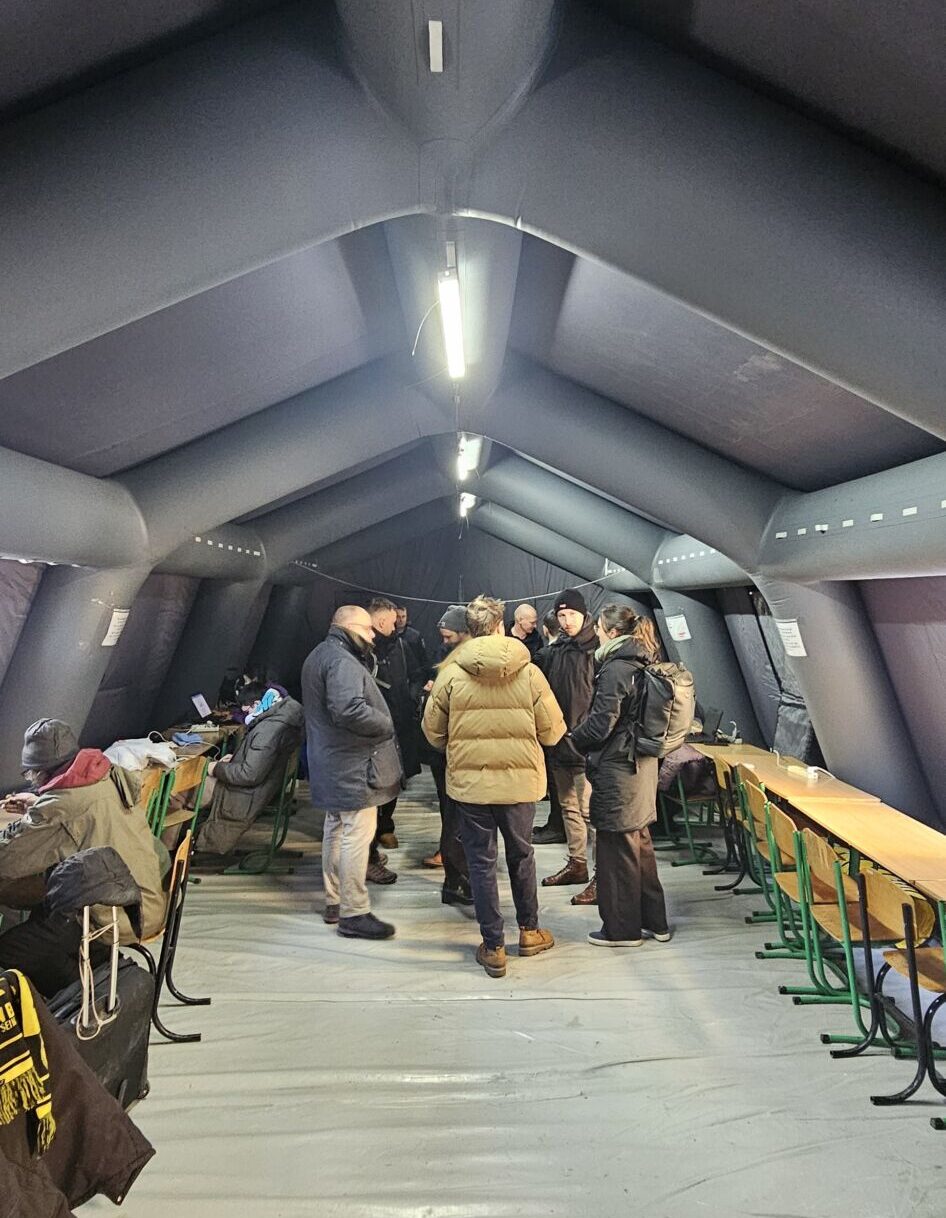
First, the delegation had a meeting with the State Emergency Service of Ukraine. They visited civilian infrastructure facilities destroyed by Russian attacks, including residential buildings, and spoke with rescuers who were eliminating the consequences of shelling and rescuing people from under the rubble. The partners could witness that the war is far beyond the battlefield and affects the daily lives of the civilian population.
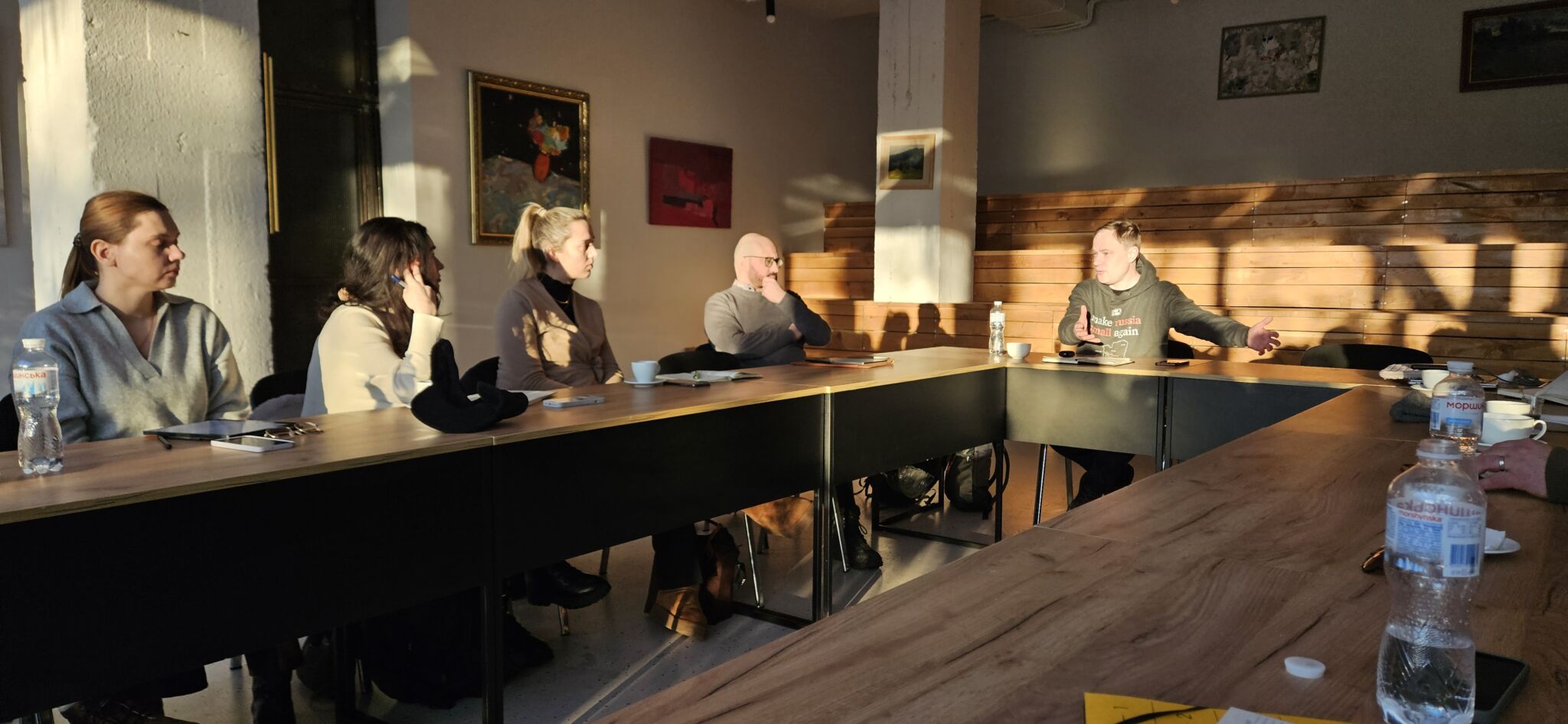
When communicating with MP Yaroslav Yurchyshyn, delegates discussed issues such as freedom of speech, countering disinformation, and the transformation of the media environment in wartime. The persecution of Ukrainian journalists by Russians, including documented cases of torture and killings in captivity, was a separate point of the dialogue. Participants also noted the role of the media in exposing corruption and anti-corruption investigations as evidence of the freedom of speech in Ukraine.
On the same day, the partners met with representatives of Stark Defence, a German startup engaged in developing strike drones. The conversation focused on the role of drones in modern warfare, technological innovations on the battlefield, and potential cooperation between Ukrainian and German defense manufacturers.
The roundtable discussion with Ukrainian defense experts was about the current situation on the front line, scenarios for the war’s development, and the resilience of Ukraine in 2026. It was opened by short speeches by Mykhailo Samus (New Geopolitics Research Network), Andrii Ordynovych (Ukrainian Freedom Fund), Yaroslava Bratus, and Oleksiy Moskalenko (Come Back Alive Initiatives Center). The participants spoke about the needs of the Armed Forces, realistic strategic options given no reliable peace framework, and the effectiveness of cooperation with European partners.
The German participants also spoke with Lesia Ohryzko, a representative of the Office for Support of Changes of the Ministry of Defense of Ukraine and Director of the Sahaidachnyi Security Center. They discussed reforms caused by the war, including the transformation of defense procurement, the modernization of management systems, and the implementation of new standards similar to those adopted by partner countries.
Ms. Lesya emphasized the importance of feedback between frontline needs and technological solutions. The participants also reviewed the status of international defense cooperation, in particular the German-Ukrainian partnership.
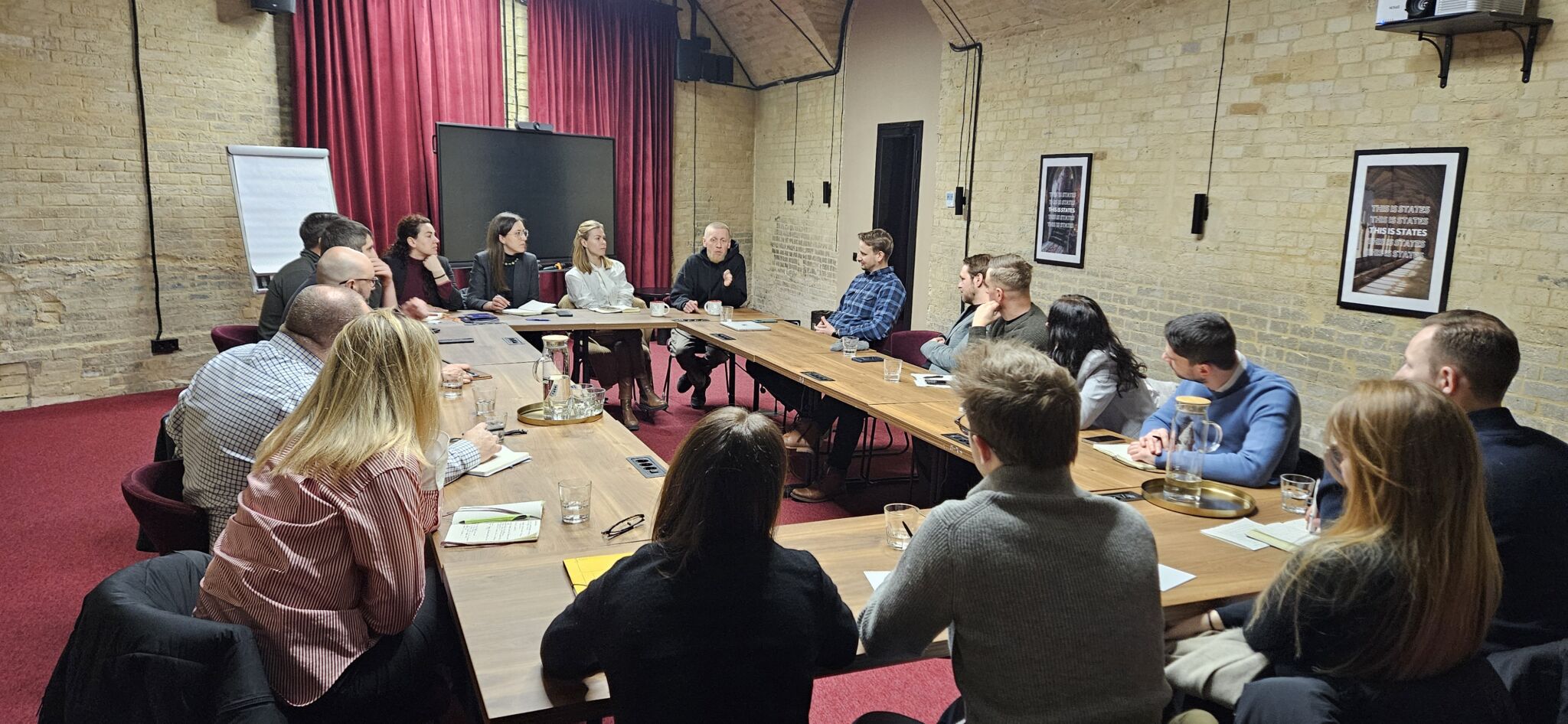
The next meeting was with Taras Berezovets, Lieutenant Colonel, Head of the International Military Cooperation Department of the Territorial Defense Forces Command. He spoke about the current situation on the front line and the priorities of Western support, in particular the support from Europe. They discussed the issues of mobilization, the involvement of foreign troops, and security guarantees relevant to Ukraine after the ceasefire agreement.
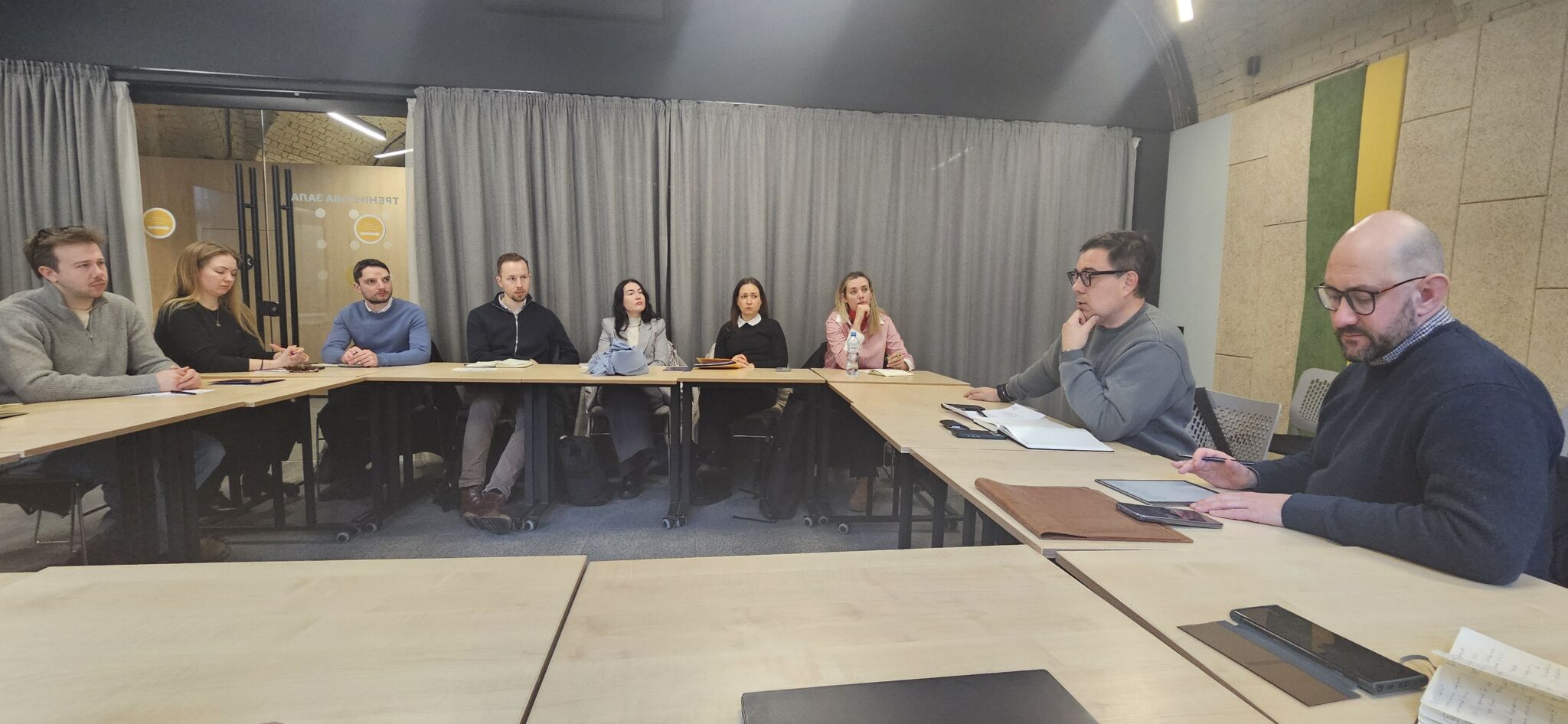
In the Verkhovna Rada of Ukraine, the delegates met with representatives of the Committee on Energy and Housing and Communal Services. They discussed the resilience of our energy sector given constant attacks, the consequences of massive shelling, and measures taken to stabilize the system with Inna Sovsun and Ihor Piddubny. The Ukrainians also shared experience that could be useful for European countries in matters of energy security.
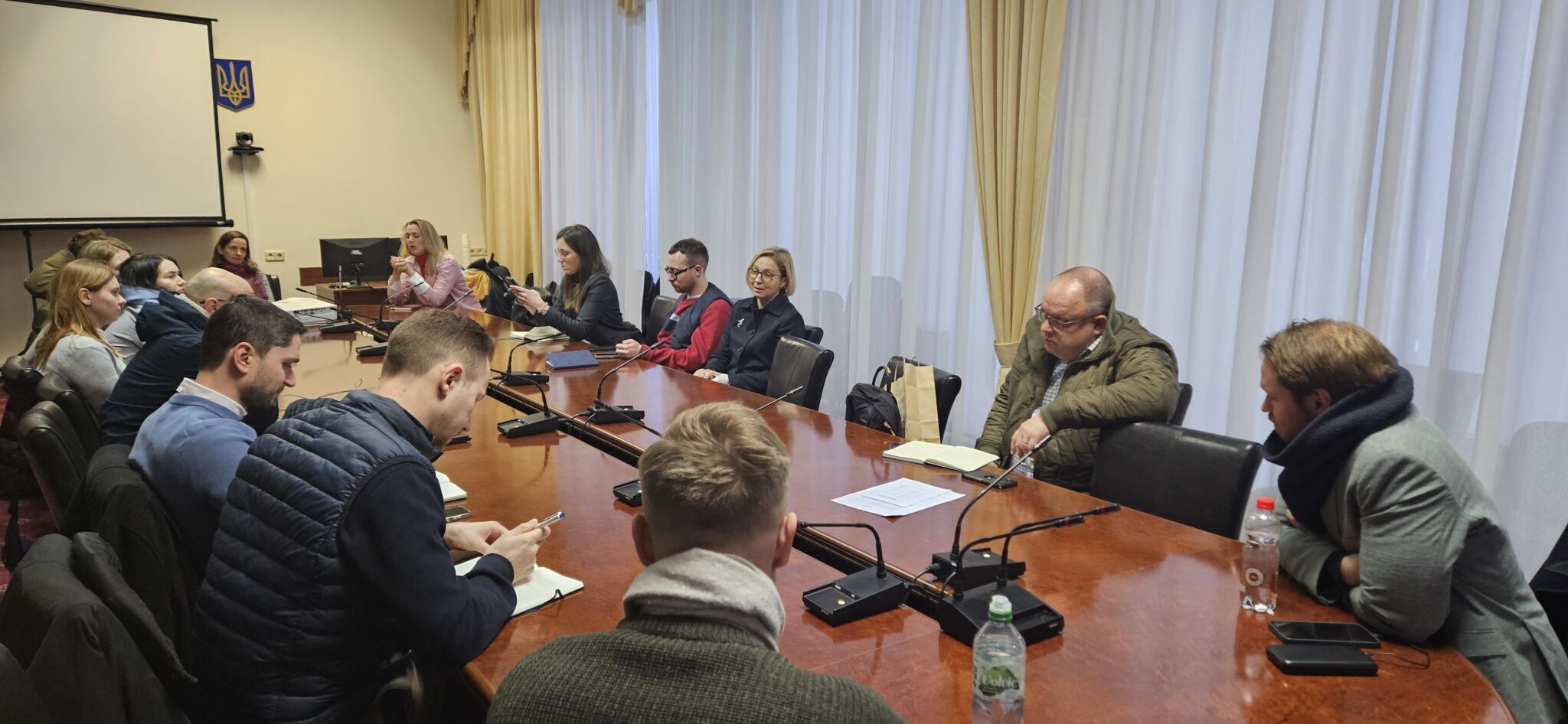
Yehor Cherniev, Deputy Chairman of the Parliamentary Committee on National Security, Defense, and Intelligence, described the situation with defense procurement, parliamentary control, and investigations in case of violations. The issues of the mobilization legislative aspects, rotation of military personnel, and the establishment of joint ventures were also raised.
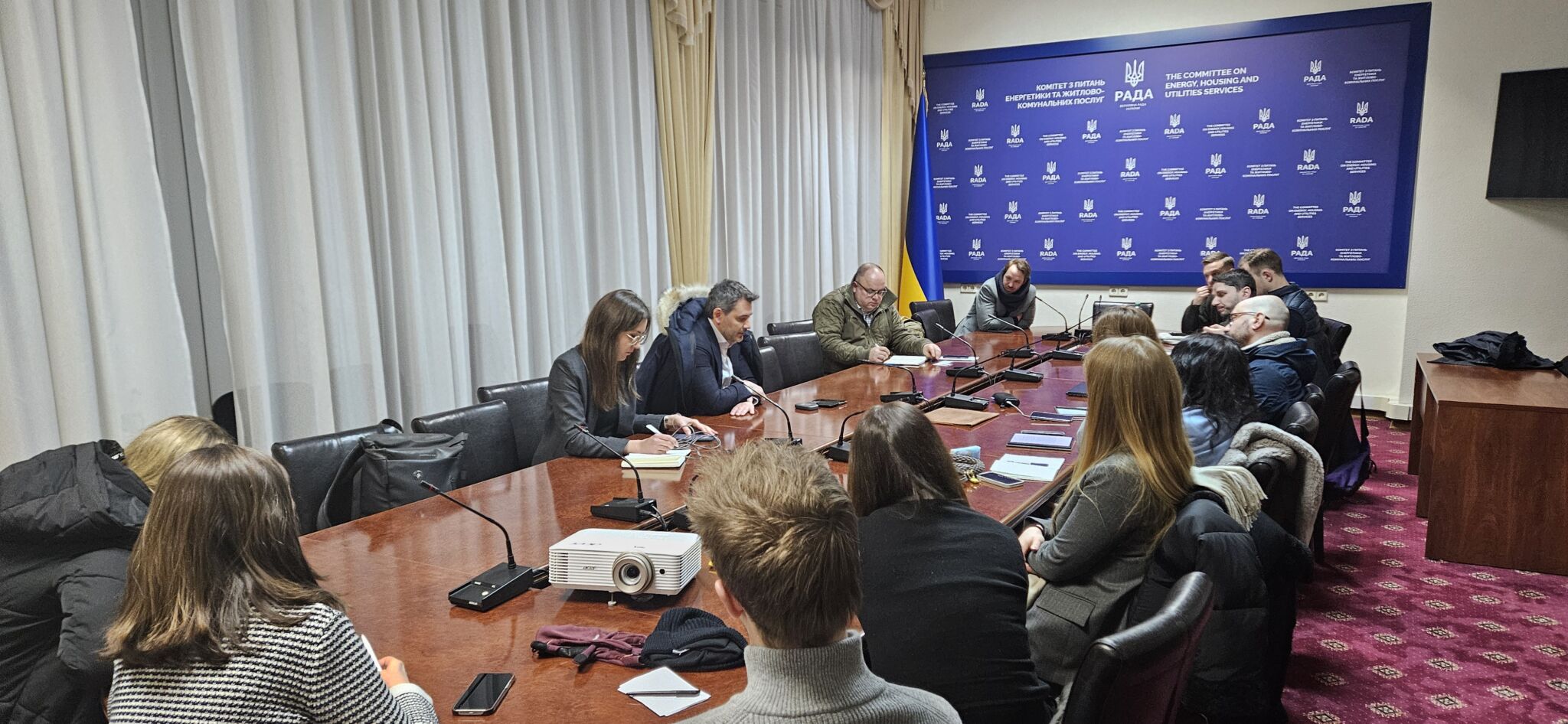
They also met with Ukrainian weapons manufacturers, the MAGURA NGO and Pivdenny Park. Together with German partners, the role of technological innovations in the front line, the speed of their implementation, and ways to gain an advantage over Russia by scaling up modern developments were discussed. Also, they raised such issues as the advantages and risks of production in Ukraine in wartime, and promoting cooperation with European manufacturers.
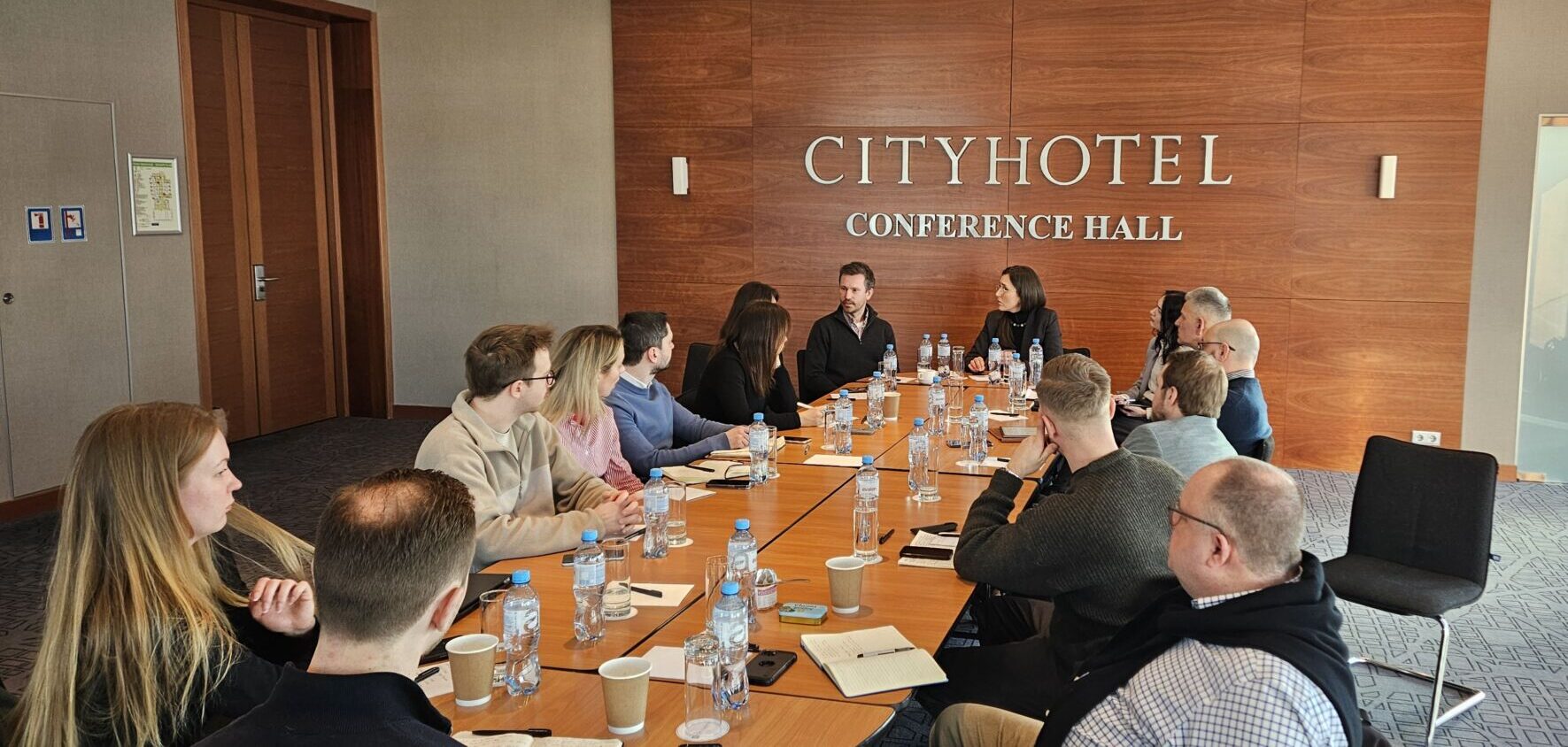
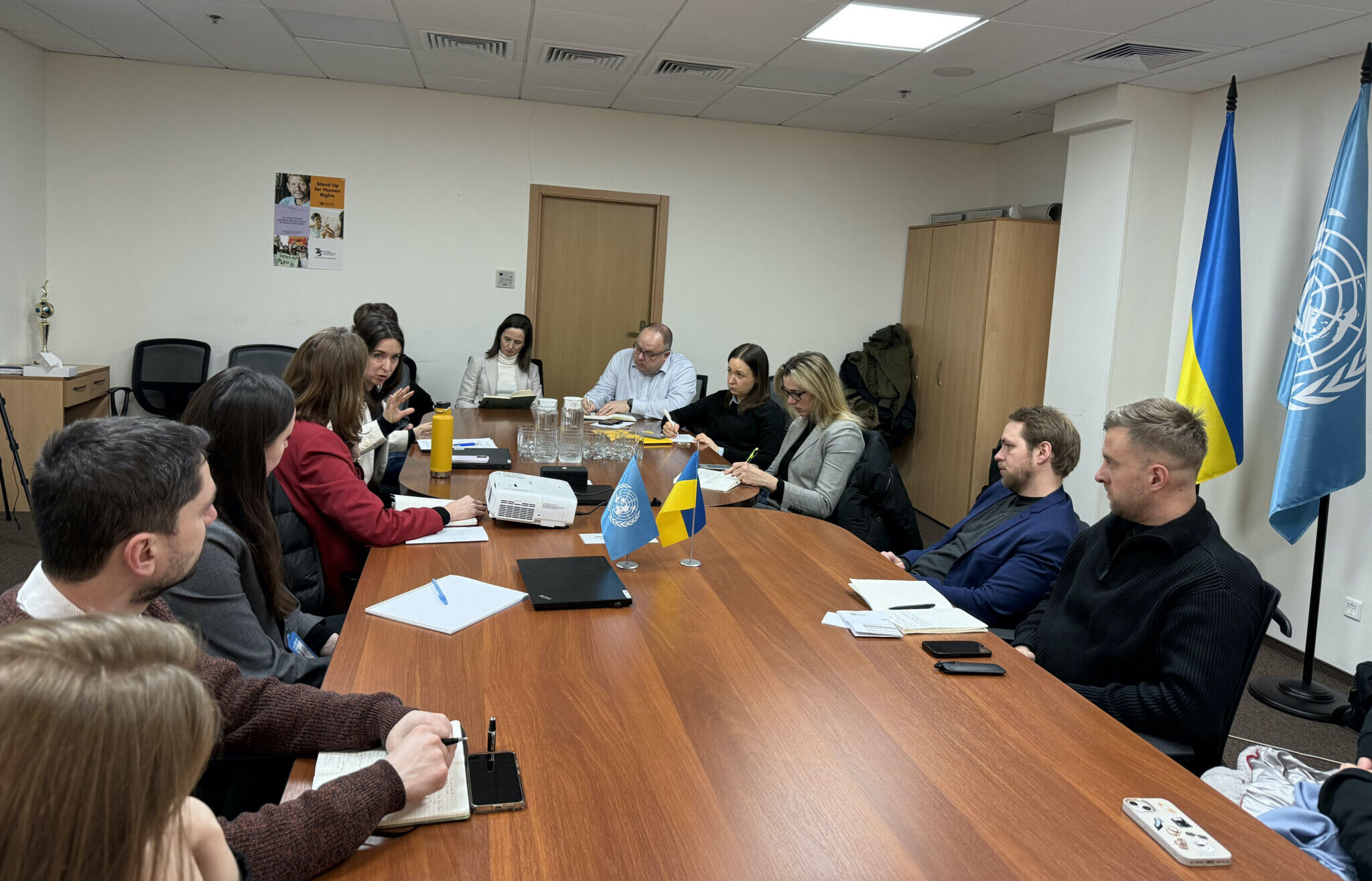
An important part of the visit’s agenda was a meeting with representatives of the Office of the UN High Commissioner for Human Rights. During the conversation, the topics of documenting war crimes, the challenges of monitoring missions in frontline regions, and the 70% increase in civilian casualties (compared to 2023) were discussed. The statistics are influenced by the escalation of hostilities and the increase in the number of drones with cameras used by the Russians against civilians.
The issue of the illegal transfer of children and the treatment of prisoners of war was one of the priorities. According to OHCHR, 96% of prisoners of war are tortured by the Russians before being transferred to official detention facilities.
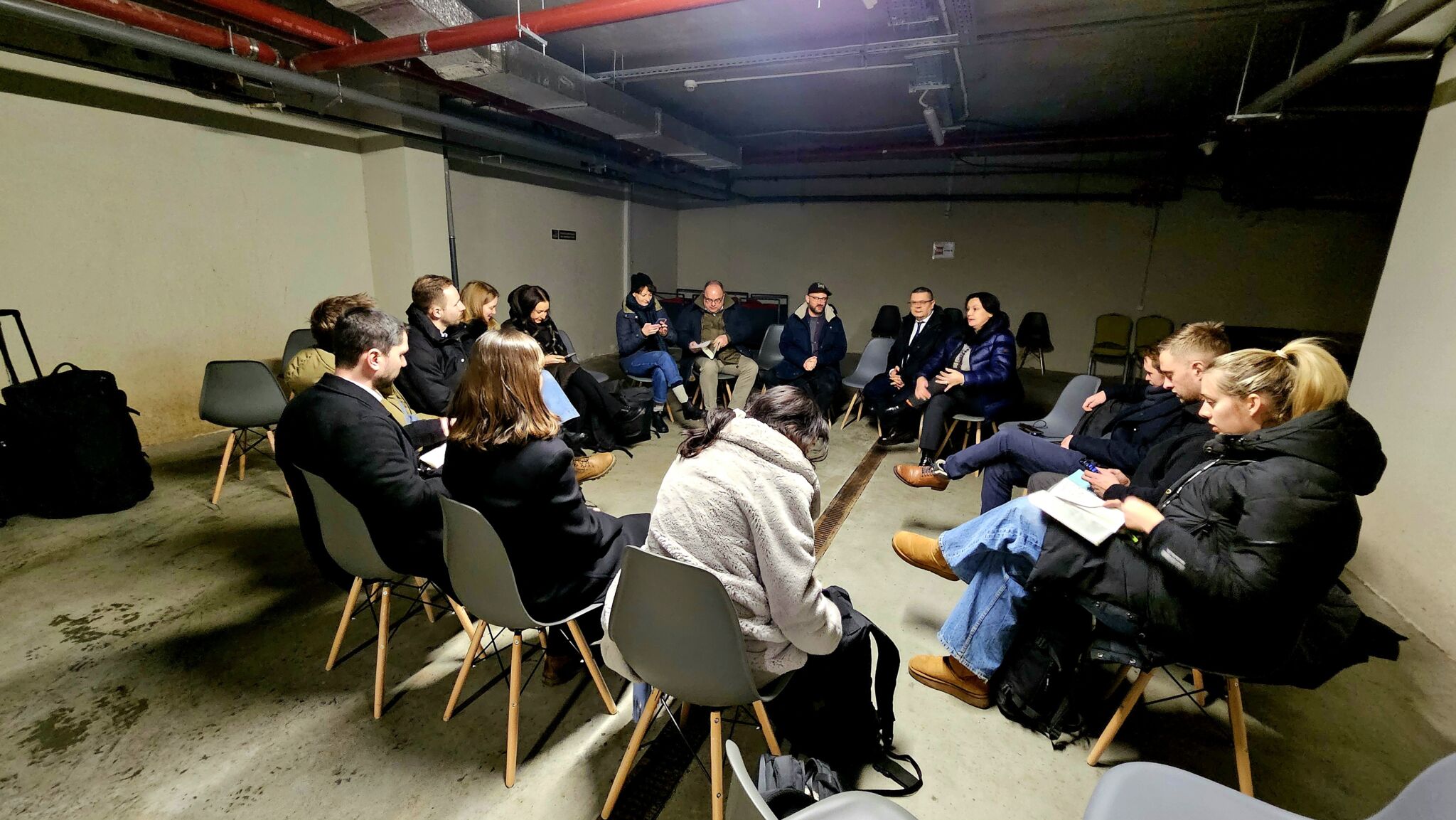
Ukrainian MPs Ivanna Klympush-Tsintsadze and Oleksandr Merezhko – during an air raid alert in an underground parking lot – joined the discussion on democracy during wartime and areas where Germany can further strengthen its support for Ukraine.
Ivanna Klympush-Tsintsadze noted that Ukrainian society continues to adhere to democratic principles, exemplified by public protests against the liquidation of NABU.
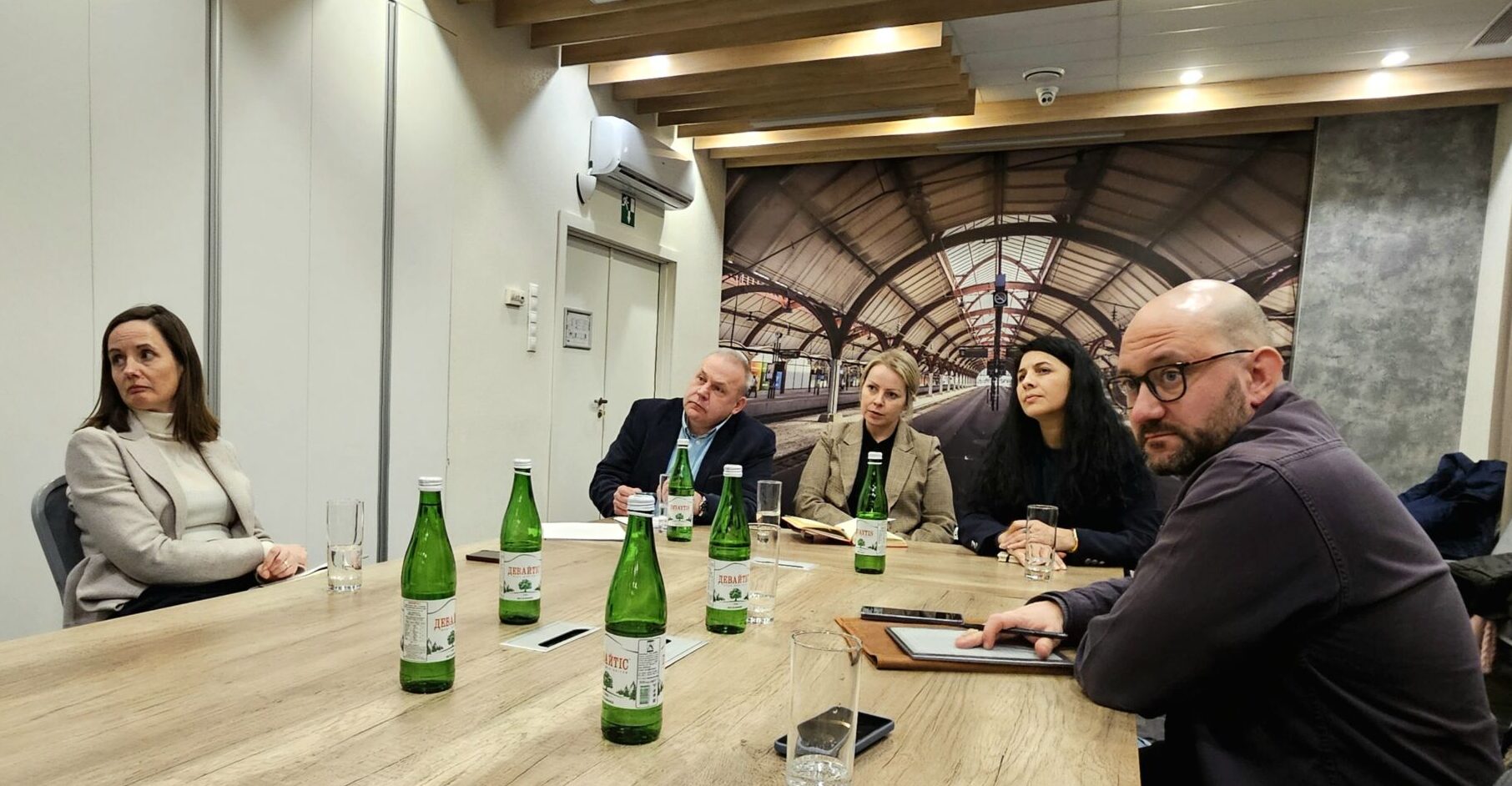
The final meeting was with Joanne La Terriere, Director of the Center for Civilians in Conflict (CIVIC) in Ukraine. The conversation was focused on the organization’s activities in Ukraine since 2017, support of the Government and the Armed Forces in developing tools, exercises, and policies for the protection of civilians. Under the auspices of CIVIC, Ukraine has established one of the few Civilian Casualty Mitigation Teams (CCMT) in the world, and the organization is currently working to make this mechanism a sustainable practice.
Particular attention was paid to promoting the National Civilian Protection Strategy aimed at strengthening community security, improving measures on the prevention of harm to civilians, and bringing Ukrainian approaches in line with NATO and EU standards. They also discussed initiatives to build trust between the military and civilians, including dialogue training for community leaders and civil-military cooperation officers.
For us, such visits are a space for meaningful dialogue and improving partnerships. We create opportunities for direct conversations to help our international colleagues to better understand the Ukrainian context and support the country on its path to EU membership and peace, of course.
We are grateful to our German colleagues for their solidarity and continuous support! You are always welcome to Kyiv.
The “Ukraine on the road to the EU” project (former “Ukraine in Europe: Parliamentary Dimension” program) is implemented by East Europe Foundation in cooperation with the Zentrum Liberale Moderne (Berlin) with the financial support of the German Federal Foreign Office.