



Share
Given current extreme dynamics, challenges, and the constant need for efficient management, the Ukrainian public sector is increasingly dependent on a high-quality project approach. A notable example is the activities of East Europe Foundation, which has implemented more than 100 diverse programs ranging from delivering humanitarian aid and equipping shelters to supporting digital products on a national scale and ensuring grants to Ukrainian public organizations and businesses. Such comprehensive activities demand both clear coordination and a high level of professional competence from both managers and project teams involved.
The said makes quality training of people in modern project management standards critical. One of the tools to enhance professional competencies and build donors’ trust in the organization is the international certification offered by the Project Management Institute (PMI), a globally recognized project management standard. In this article, we explain the significance of this certification for the public sector in 2025 and how it works, highlighting the experience of a professional from East Europe Foundation.
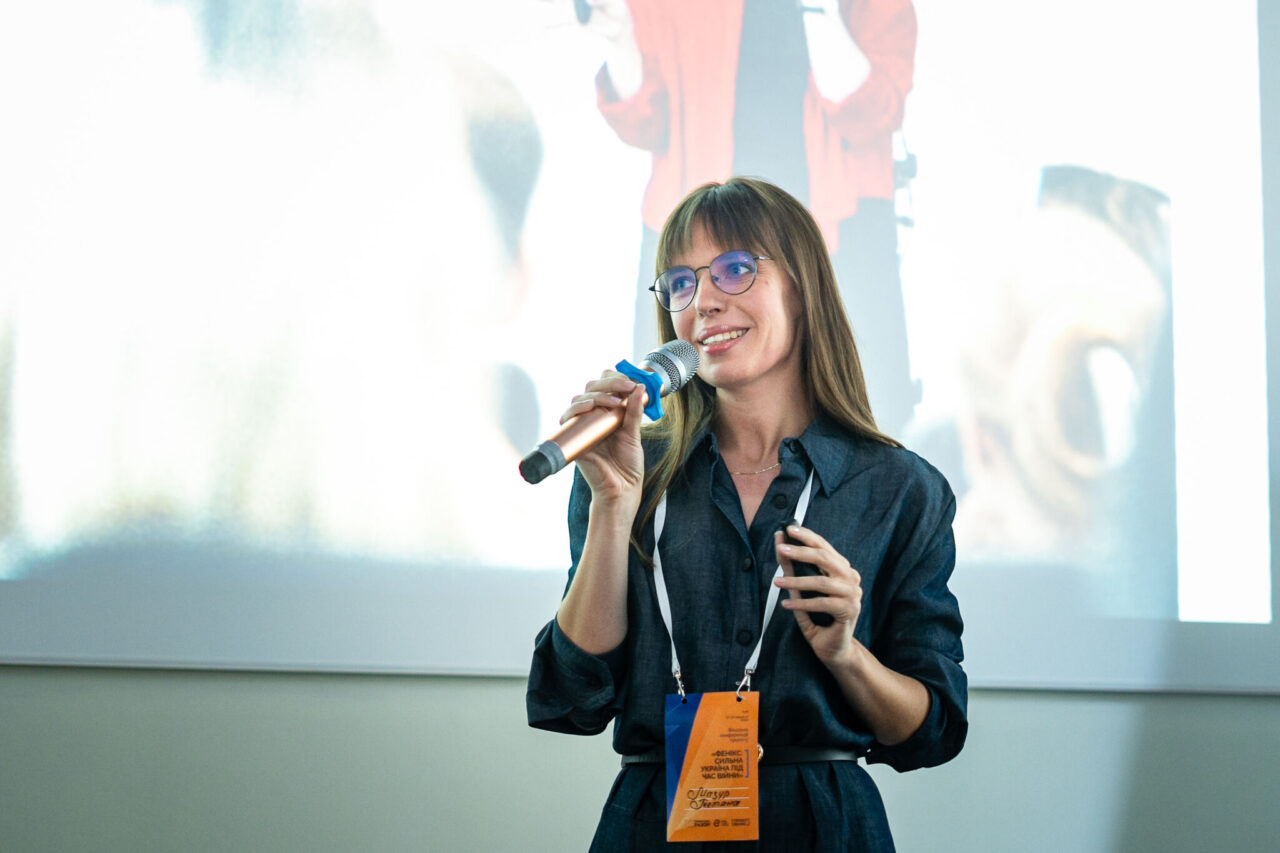
Tetiana Mazur is the PMO of East Europe Foundation, a professional with many years of experience in the non-profit sector. Her
professional career was dedicated to projects on local economic development, land management, IDP support, entrepreneurship, and civil society. Her portfolio includes managing projects by donors such as the EU, USAID, GIZ, and others.
To enhance her expertise, Tetiana decided to get certification from the Project Management Institute (PMI®), one of the most influential organizations in the field of project management. In 2023, she got the flagship PMP® (Project Management Professional) certification, and in 2025, the field-specific PMI-RMP® (Risk Management Professional).
What does certification mean to a public sector professional?
PMI certification is not merely a certificate or a line in a resume. It is an ultimate confirmation of the skills to work under international standards, to be understood by partners globally, and – importantly – to be efficient given challenging conditions.
Many donors in new competitions review not only the organization’s portfolio, but also the qualifications of key individuals. For East Europe Foundation, the availability of several certified PMP® and PMI-RMP® professionals in the team enhanced partners’ trust and opened up new opportunities for raising funds. As evidenced in practice, the inclusion of certified professionals in a project application is often a competitive advantage.
Tetiana feels extremely fortunate to work at the Foundation, where professionals are encouraged to master new approaches, tools, and systems, and then implement these in the public sector. In particular, since 2021, the organization has launched educational initiatives on project management based on PMI (CAPM) standards. When she got her certification, there was another certified PMP professional in the organization, the Vice President of the Foundation program activities. Also, the CEO of the EEF regularly participates in training programs at leading universities in Germany and the USA. When organization heads ‘sew in’ a growth mindset and a project management culture into their internal environment, it really motivates people to be on
trend, and ultimately, to enhance their own expertise by completing certification. Currently, as the head of the Project Management Office, Tetiana leads the training and support for project managers to improve their management competencies and ensure the quality implementation of project activities.
How to choose a certification and prepare for it?
PMI offers various certification levels depending on a person’s expertise and specialization. According to Tetiana Mazur, PMP® is for project managers with three years of experience. It is a universal certification that covers all stages of the project cycle, applicable across various fields. PMI-RMP® certification focuses specifically on risk management for those interested in deepening their knowledge in this area.
Preparation for both exams requires the following:
● several years of practical experience;
● formal training (30-40 hours);
● clear preparation plan;
● exam in English (180 behavioral questions for PMP®, 115 for PMI-RMP®) in the specified time.
Tetiana shares that adequate preparation takes 3-4 months. That said, a person should combine independent learning with participation in professional communities. For example, the PMI Ukraine Chapter offers access to educational resources, webinars, thematic courses, and mentoring support.
“I planned to get my first certification in 2022; however, I gave it a second thought and implemented the plan in 2023, when I gained the mental strength. The adequate time from the actual start of the preparation to getting the certification is up to four months. Some would need less, 2-3 months, and for some it would take even longer. It took me 3.5 months to prepare for my second certification, PMI RMP (Project Management Institute – Risk Management Professional),
given my experience and understanding of the assessment framework”, recalls the professional of East Europe Foundation.
Life hacks for successful preparation for certification
● Project-like approach. Certification is not a “one-time event”, but a kind of project with its plan, deadlines, and outcomes.
● The environment matters. A supportive environment – colleagues, mentors, organization heads – inspires learning.
● Life-work balance. Preparing for certification involves investing time to discuss with loved ones. Tatiana had her family’s support, which she sees as an additional advantage.
PMI certification as a tool to transform the public sector
Apart from goodwill, certification enhances employment opportunities (including with international organizations), to structure experience according to global best practices, enhance confidence in expertise, and build the institutional capacity of the organization (PMO, standards, knowledge sharing).
Certification is not the finish line but the start. PMI requires regular knowledge updates. Still, you should be in trend and adapt to new challenges: the increased role of artificial intelligence, the donor market change, and growing competition between public and private structures.
Tetiana Mazur’s experience is an example of the professional development that enhances not only the person’s career but also the institutional capacity of the entire organization.
The original text was published on the Hromadsʹkyy Prostir website.