



Share
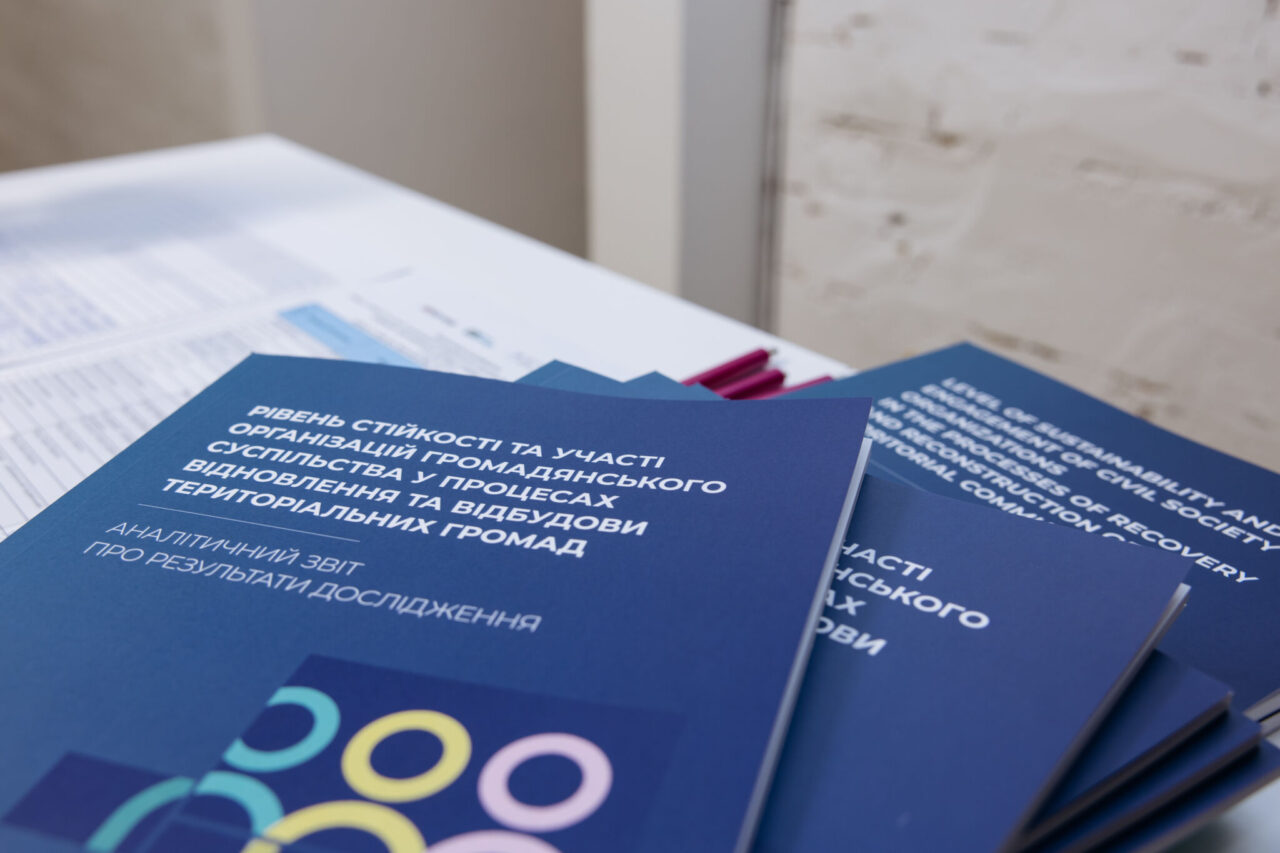
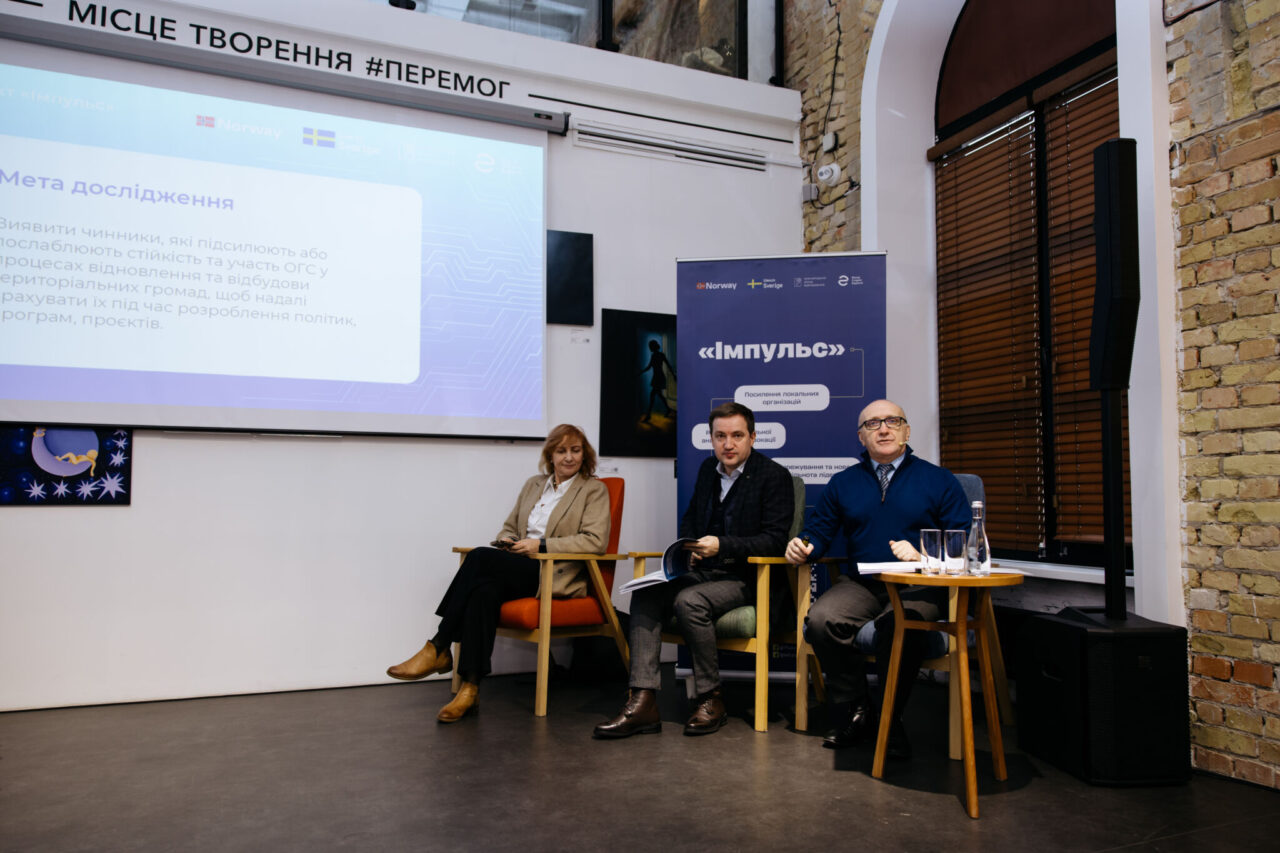
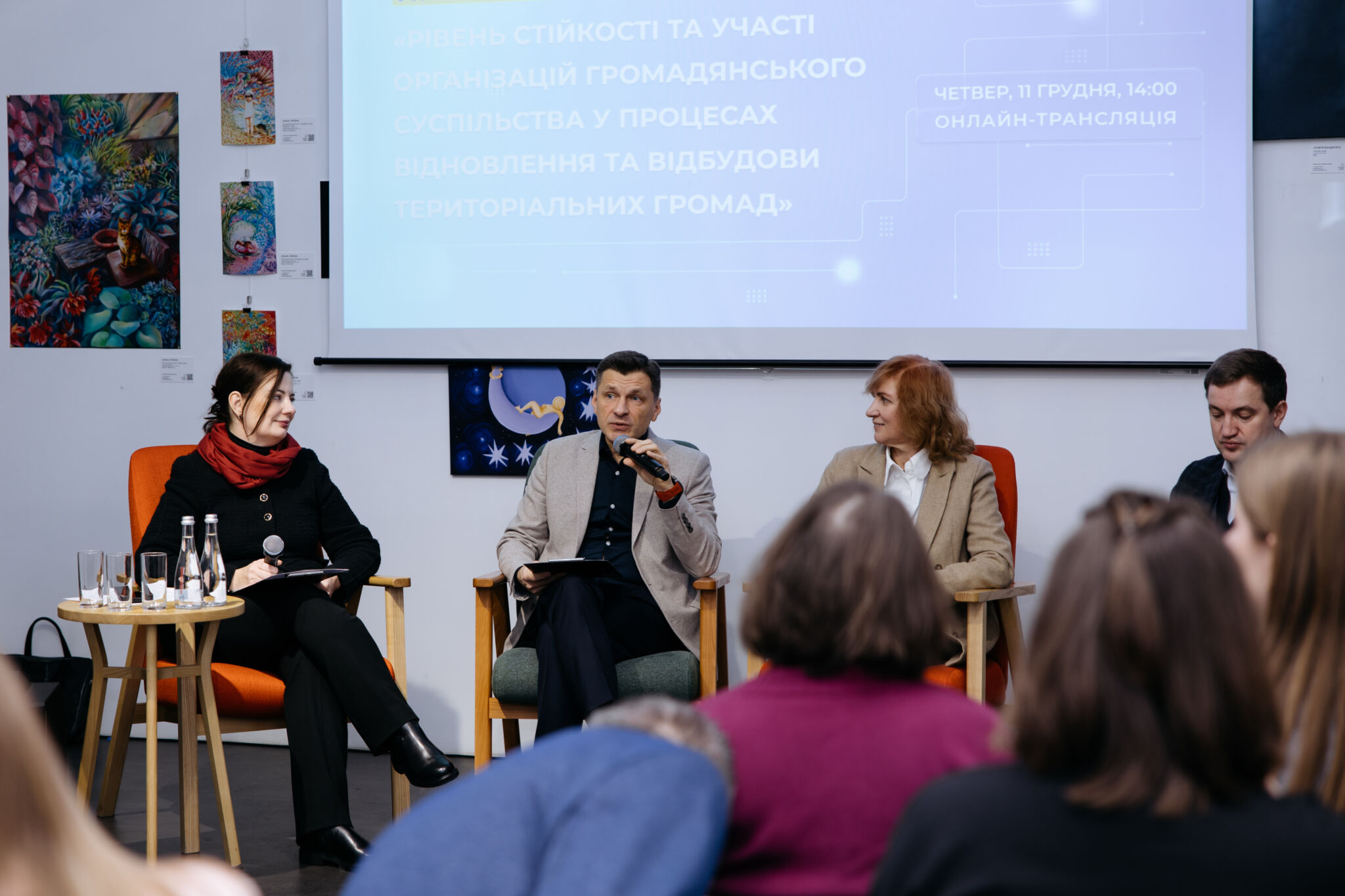
On December 11, 2025, in Kyiv, together with the International Renaissance Foundation, we presented the study “Level of Sustainability and Engagement of CSOs in the Processes of Recovery and Reconstruction of Territorial Communities”.
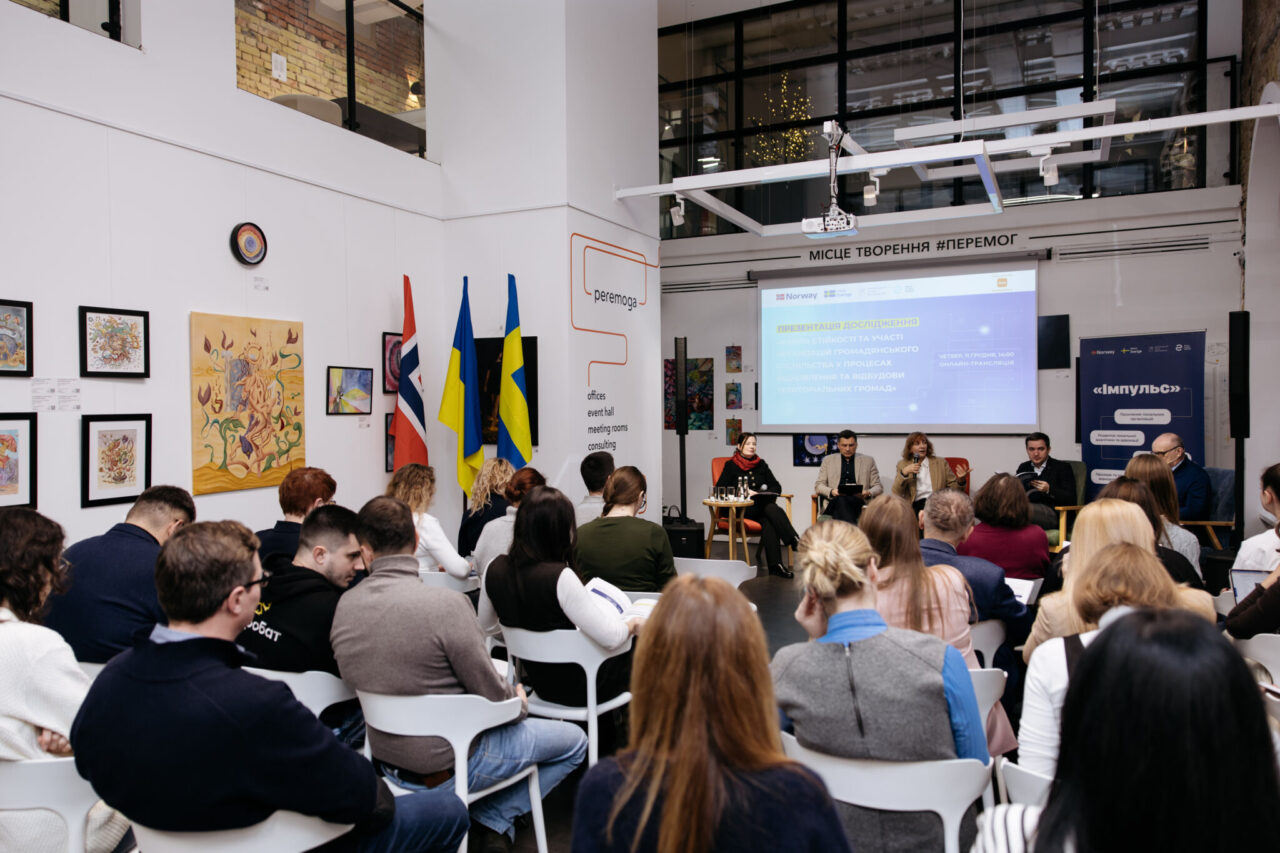
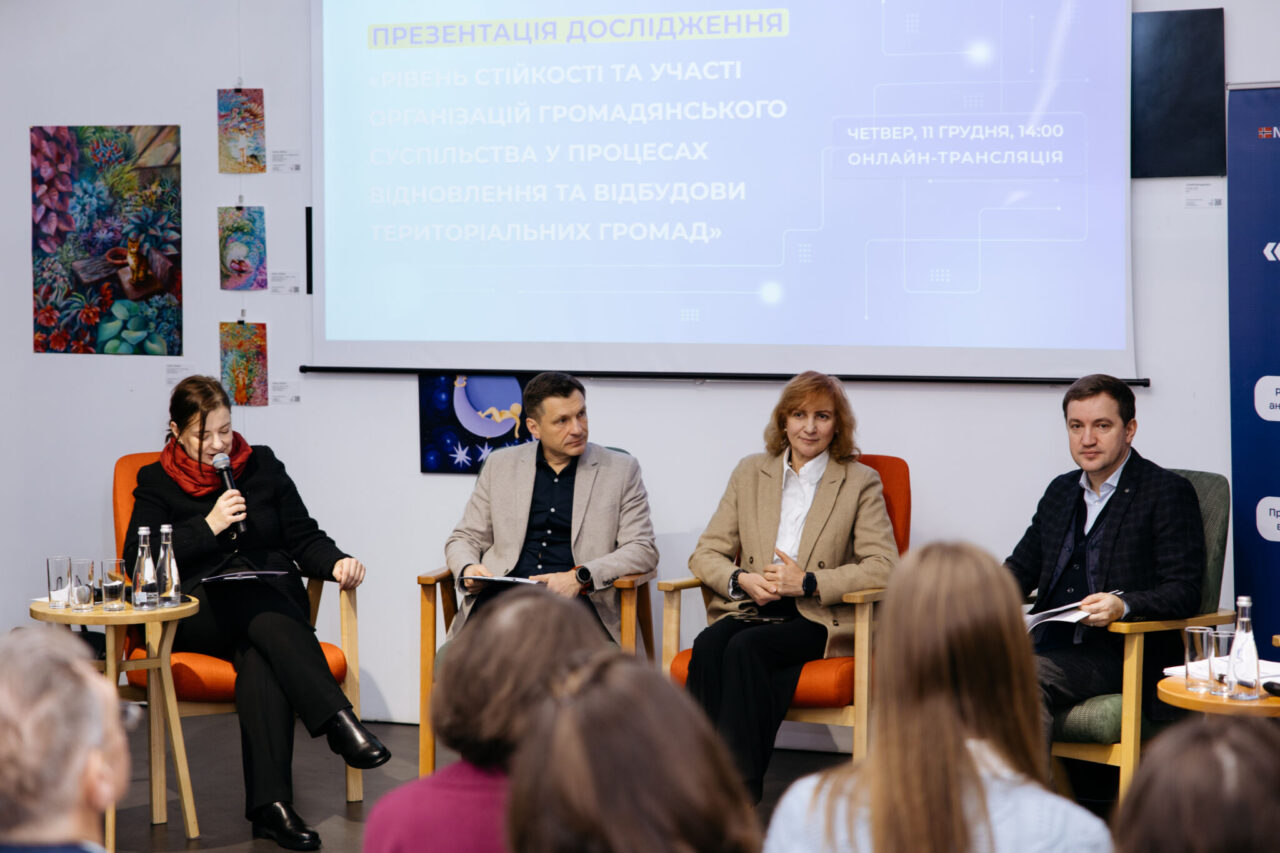


This is the first comprehensive measurement conducted within the Impulse project, which provides a holistic view of the status, needs, and challenges facing Ukrainian CSOs during the full-scale war. The project includes annual assessments that will allow us to monitor the development of the public sector over time and plan support more effectively.
The survey included more than 200 organizations across various regions, from frontline areas to those in the rear.
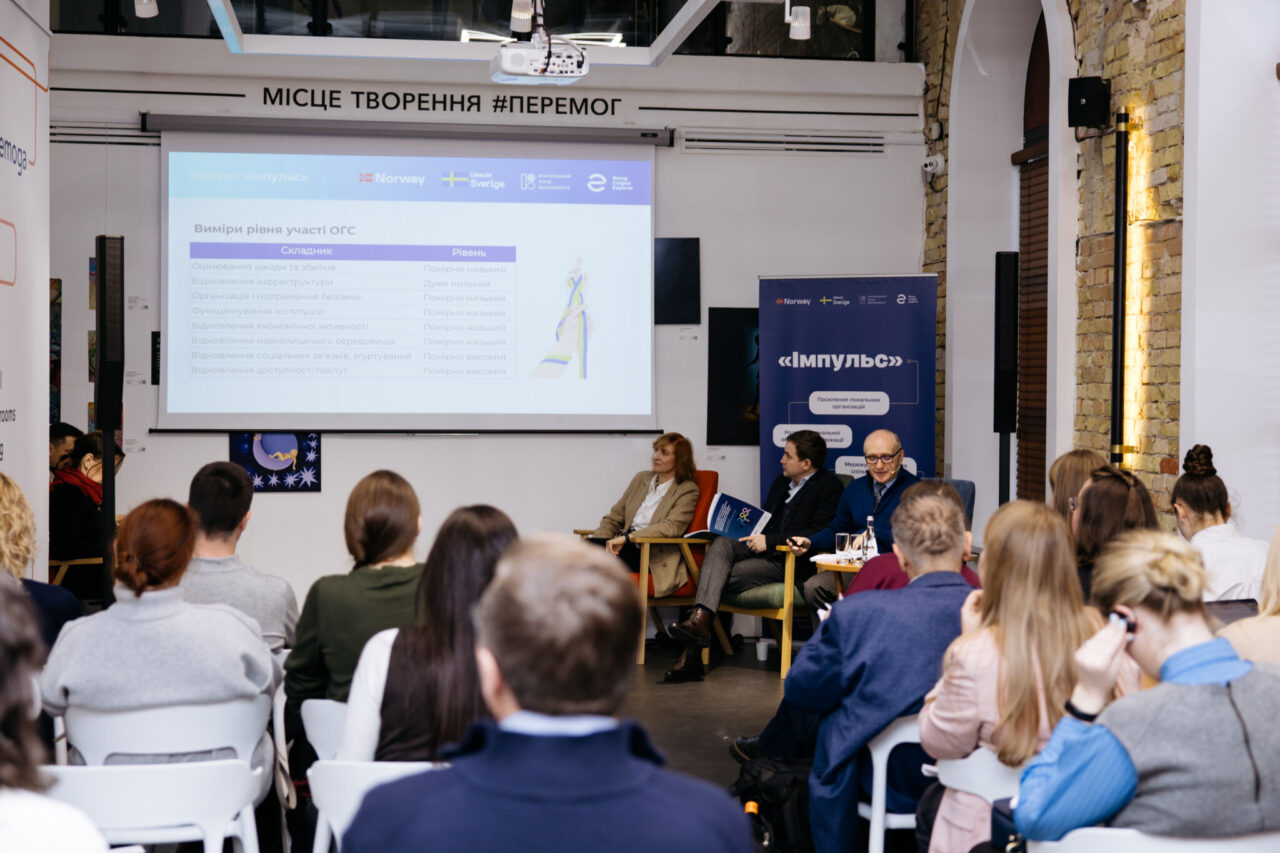
The results demonstrate that the civil society sector plays a crucial role in supporting individuals and communities, particularly in areas such as the social integration of internally displaced persons (IDPs), support for veterans, psychosocial assistance, and fostering social cohesion. However, CSO involvement in infrastructure reconstruction remains low — an untapped opportunity for future recovery efforts.
CSOs from frontline regions show the highest level of engagement in the recovery process — despite ongoing insecurity, staff shortages, and increased workloads. It is in these regions that the civil society sector is operating at full capacity, delivering essential services and support to the population.

“Civil society remains a key driver of community recovery. The sector relies on people, and their support must be systemic, not occasional. This study provides a realistic picture and enables us to support organizations based on data, not assumptions,” — said Victor Liakh, President of East Europe Foundation.
Despite significant human, expert, and communication capacity, 76% of organizations report being underfunded. Teams also face high levels of professional burnout, especially in regions heavily affected by hostilities.
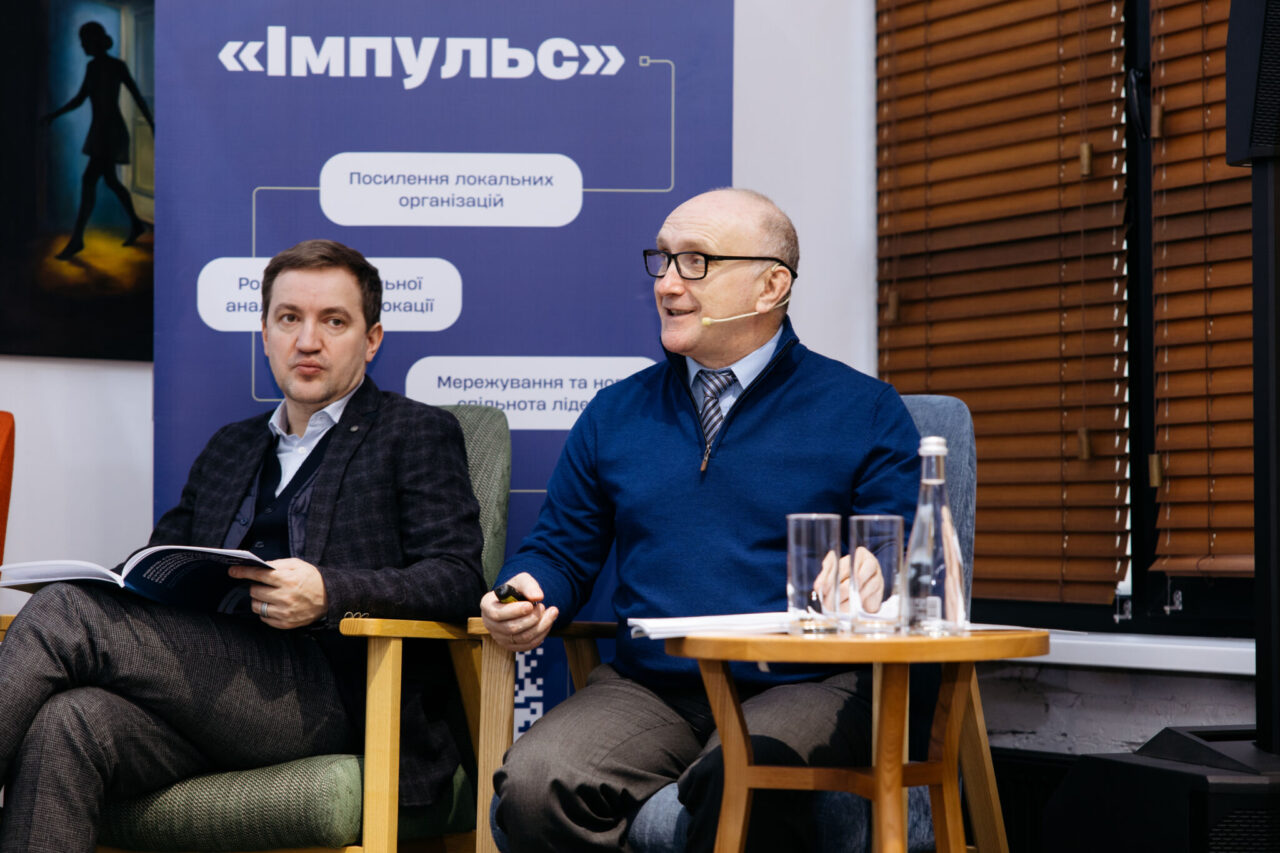

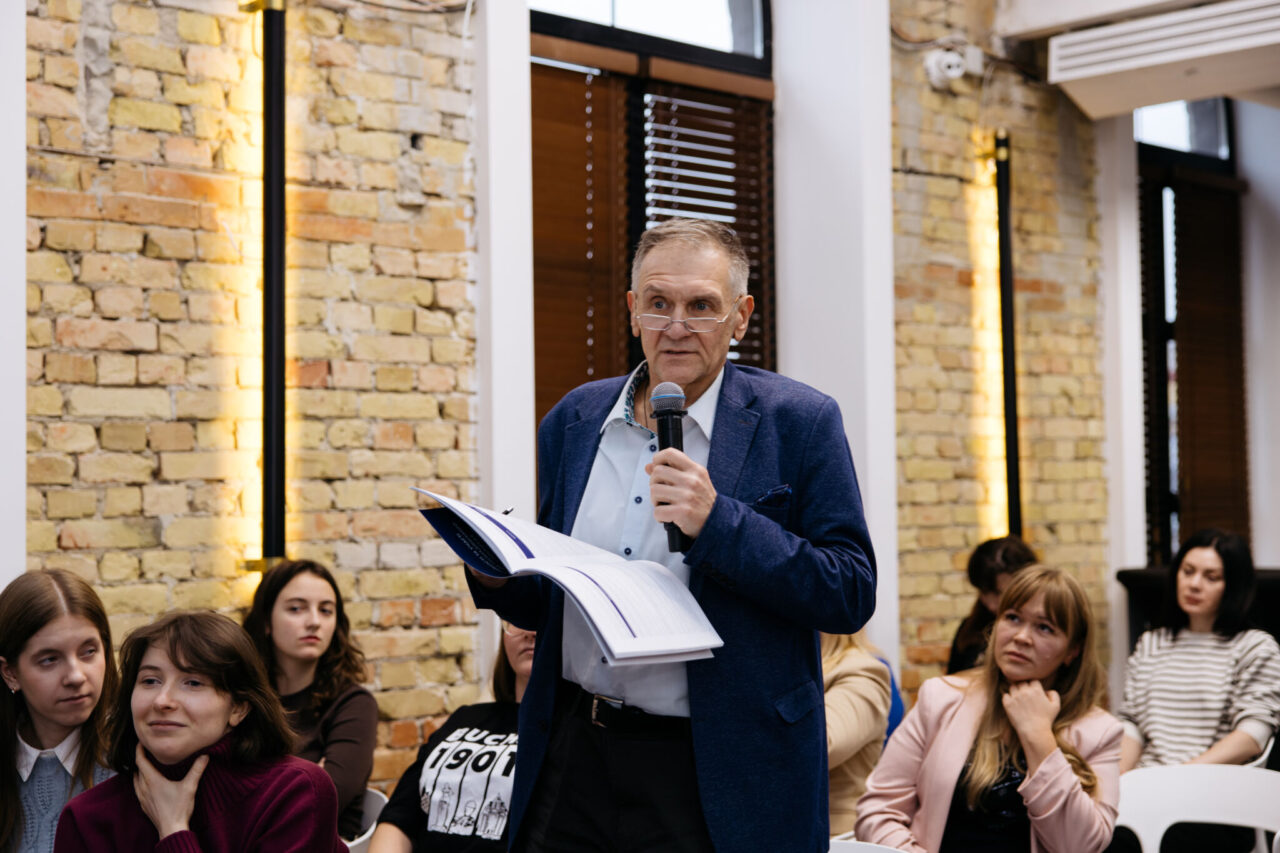
“Ukraine is recovering where strong organizations exist. Many of them are now working at their limits. Therefore, investing in the sustainability of CSOs directly impacts the quality and speed of community recovery,” — emphasized Inna Pidluska, Deputy Executive Director of the International Renaissance Foundation.
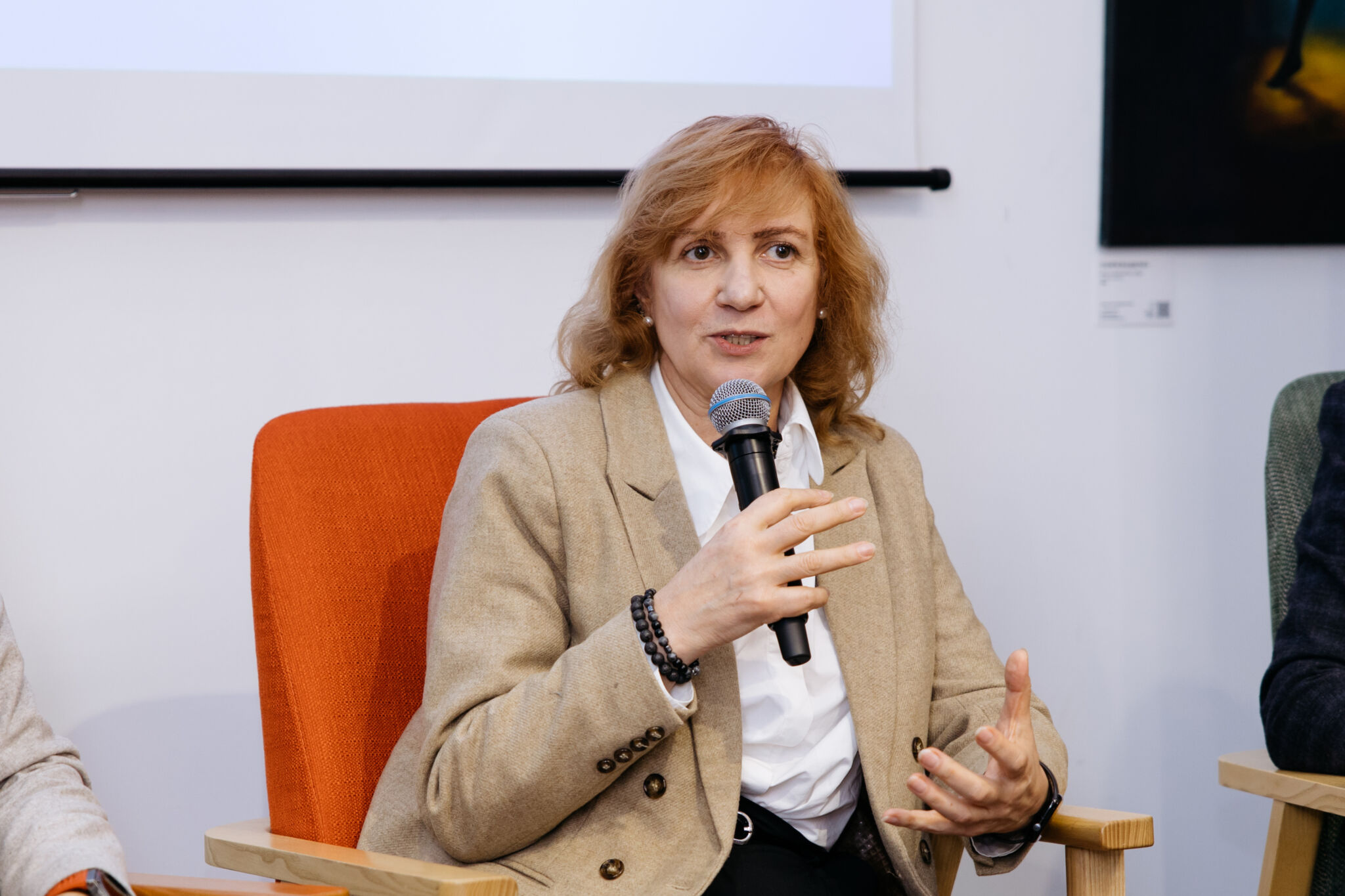
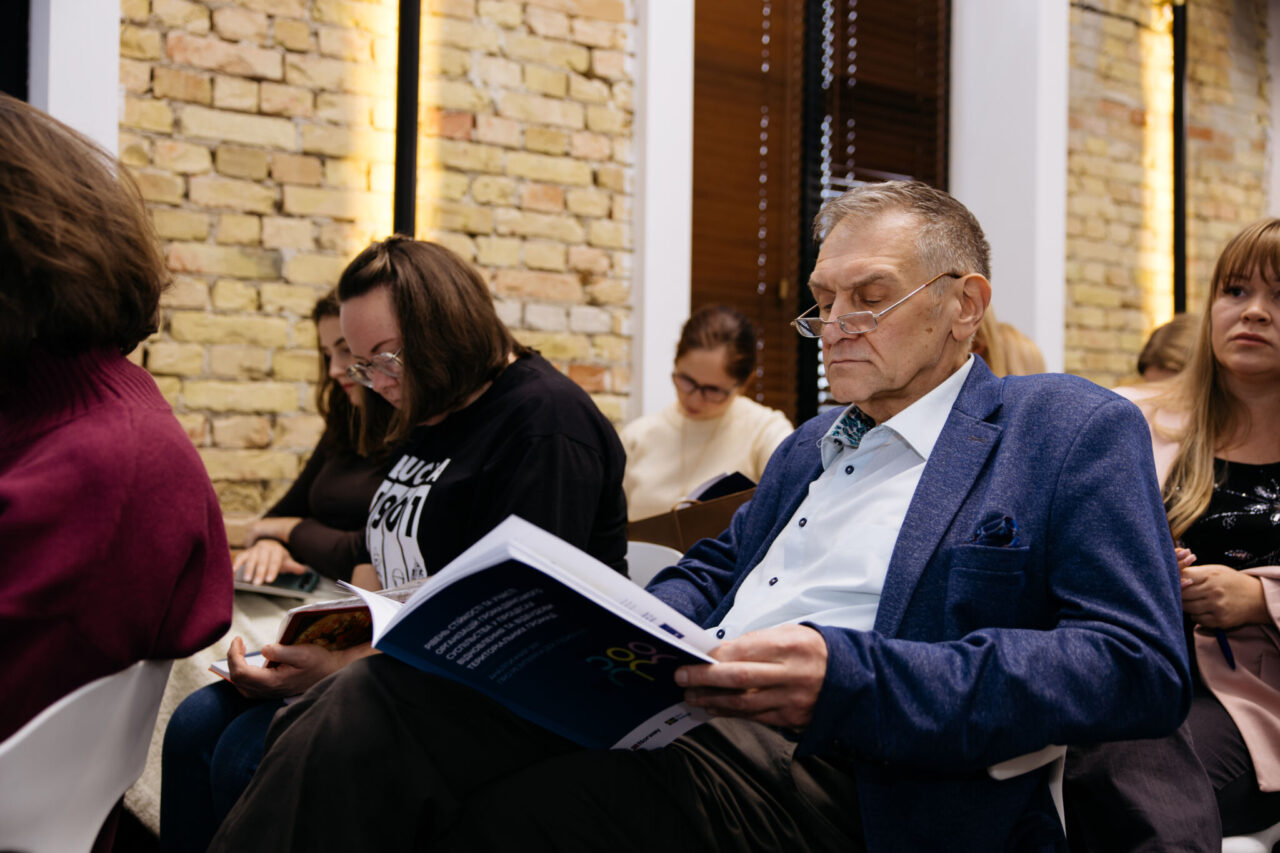
Key recommendations from the study include: building strong partnerships between government, communities, and CSOs; strengthening the institutional capacity of organizations; prioritizing team well-being; and expanding opportunities for CSOs to participate in infrastructure reconstruction and the economic revival of communities.
“The public sector is now one of the most active players in local recovery. In some areas, CSOs are implementing more projects than local authorities, the state, or businesses combined. Yet, state approaches to assessing the condition of territorial communities still lack indicators for human capital and CSO engagement. An outdated methodology remains in use but is expected to be updated soon. Studies like this reveal who the state and international partners can truly rely on. They also prove that CSOs have become a key driver in communities,” — Oleksandr Solontai, Head of the Agency for Recovery and Development, summarized.
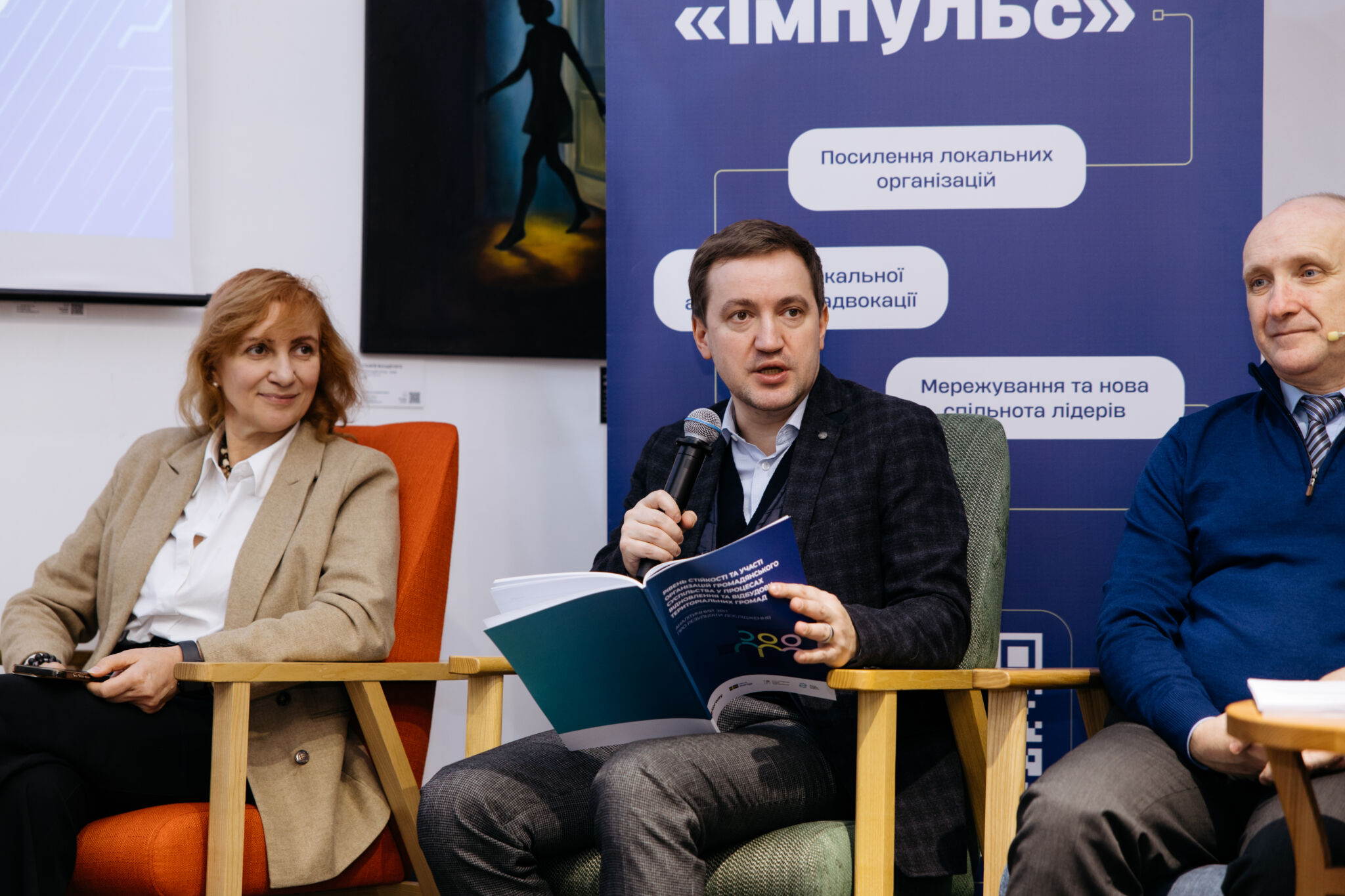
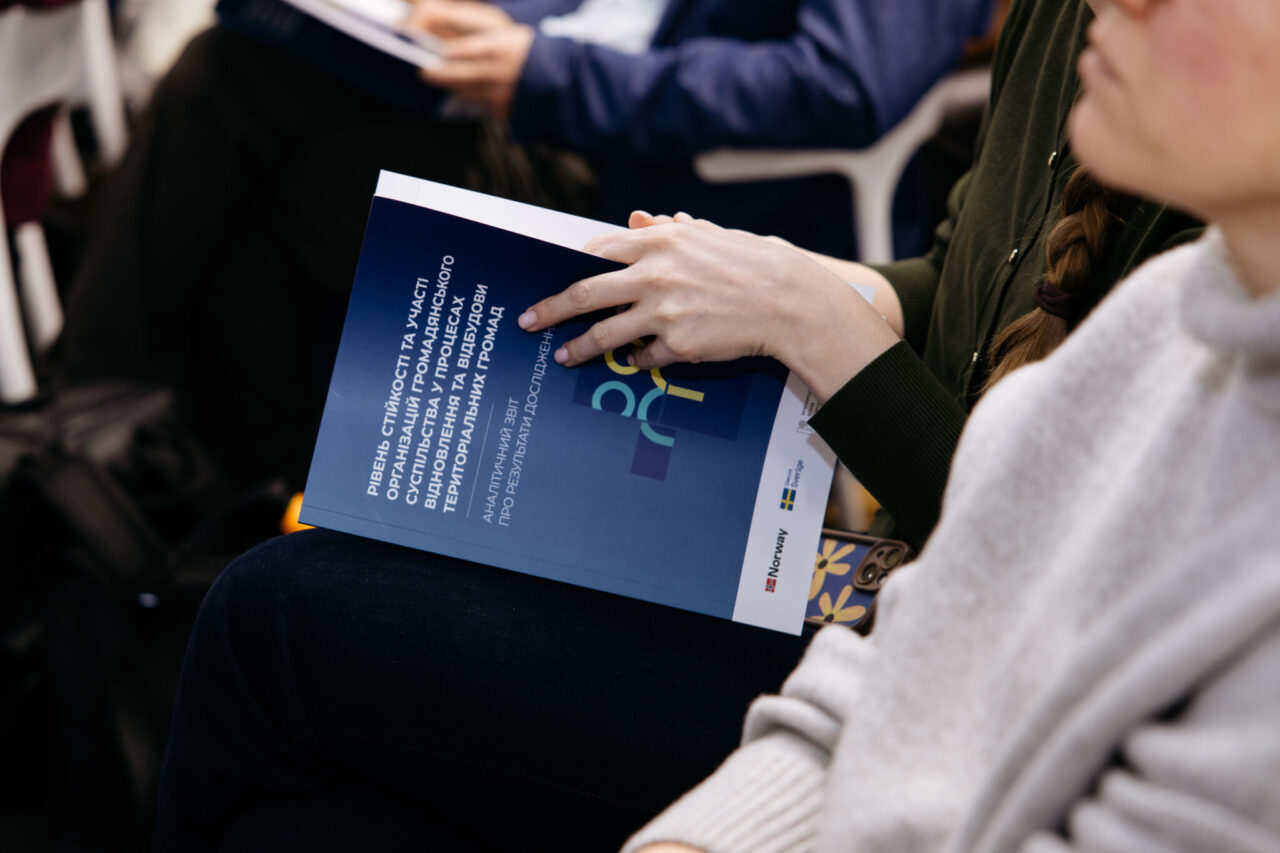
The full version of the study is available in Ukrainian and English on our website here.
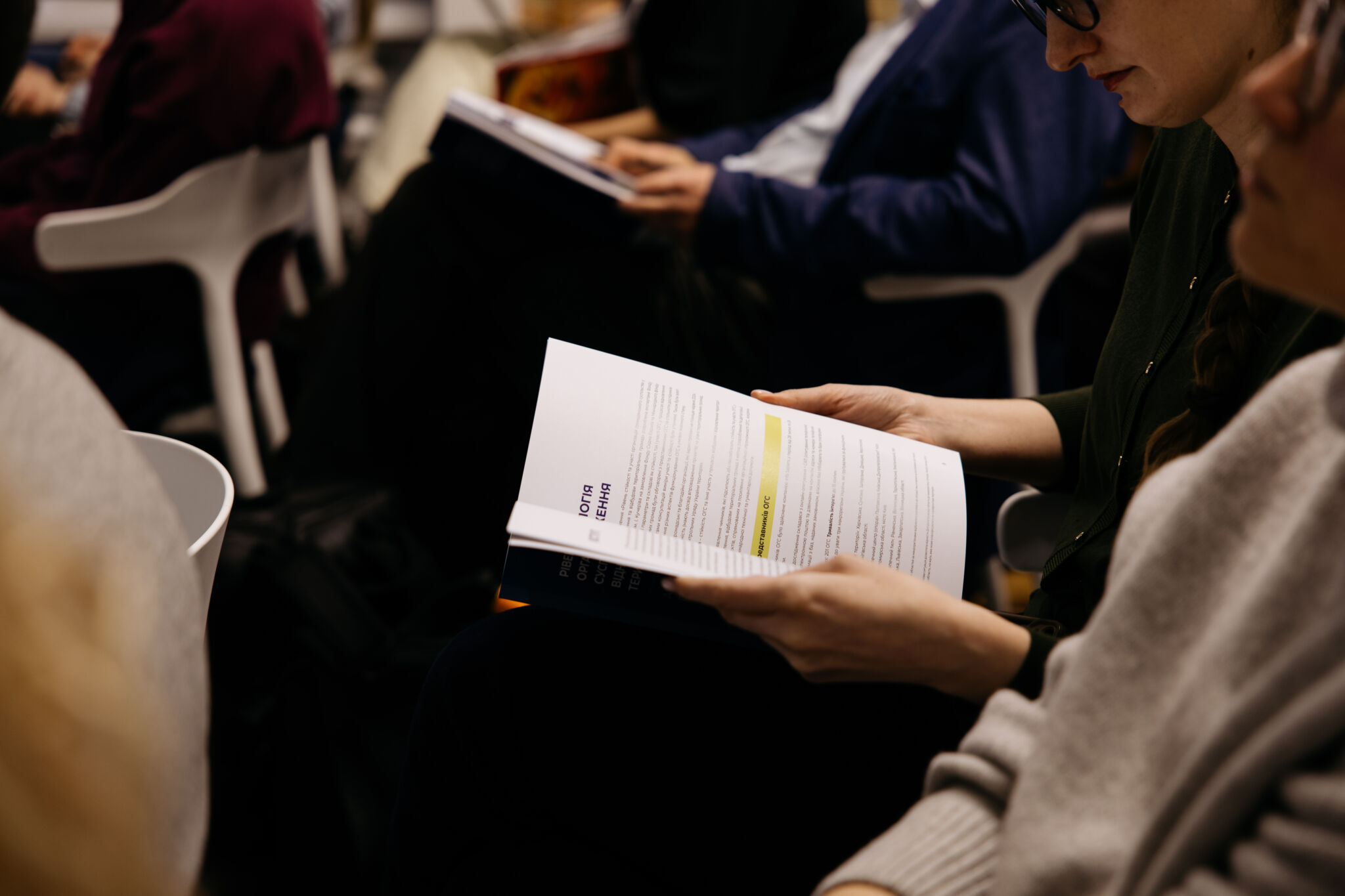
The research methodology was developed by experts from the I. Kucheriv Democratic Initiatives Foundation, commissioned by East Europe Foundation. The CSO survey was conducted by Info Sapiens in July–August 2025.
The study was carried out as part of the Impulse project, implemented by East Europe Foundation and the International Renaissance Foundation, with support from Norway and Sweden.