



Share
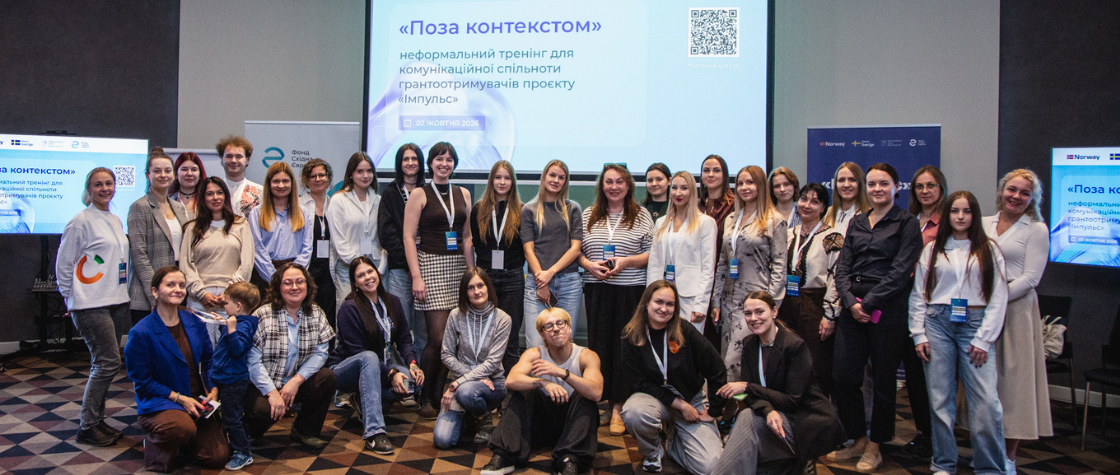
Providing communications support for a programme, project or individual initiative requires careful preparation and thorough analysis at every stage. Yet even a well-considered plan, a prepared team and sound decisions cannot guarantee that everything will go according to plan.
Unexpected setbacks, mistakes and unsuccessful experiments are experiences we may want to bury in the back of a drawer. Yet each one can become a valuable source of knowledge if we analyse it and determine what should be done differently next time.
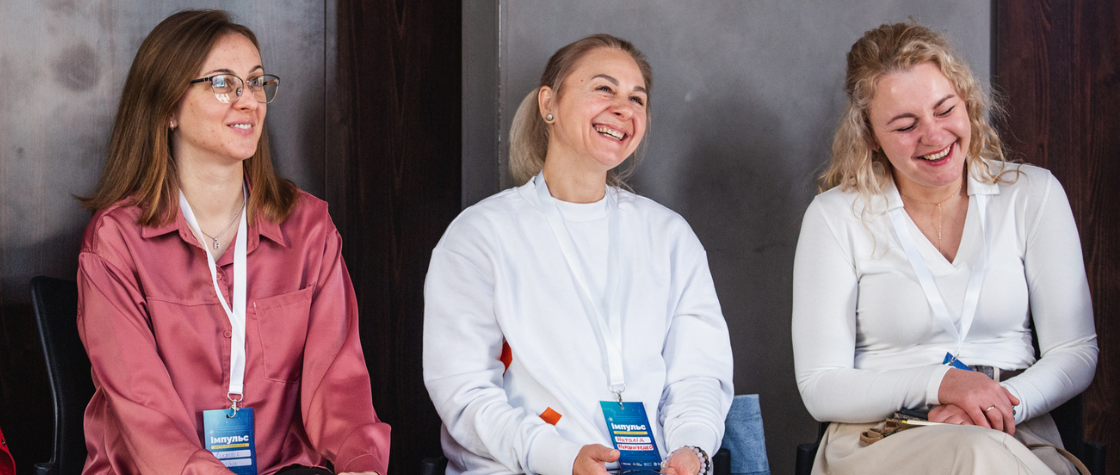

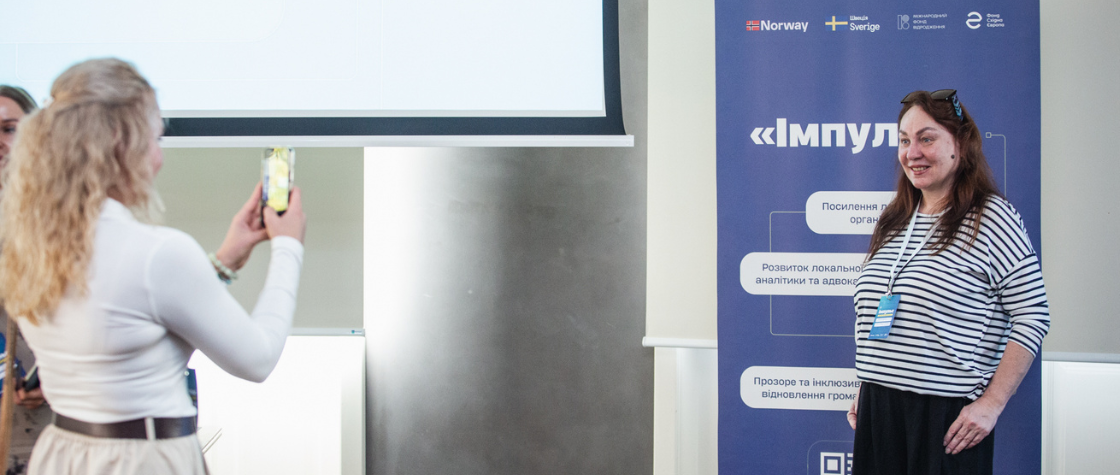
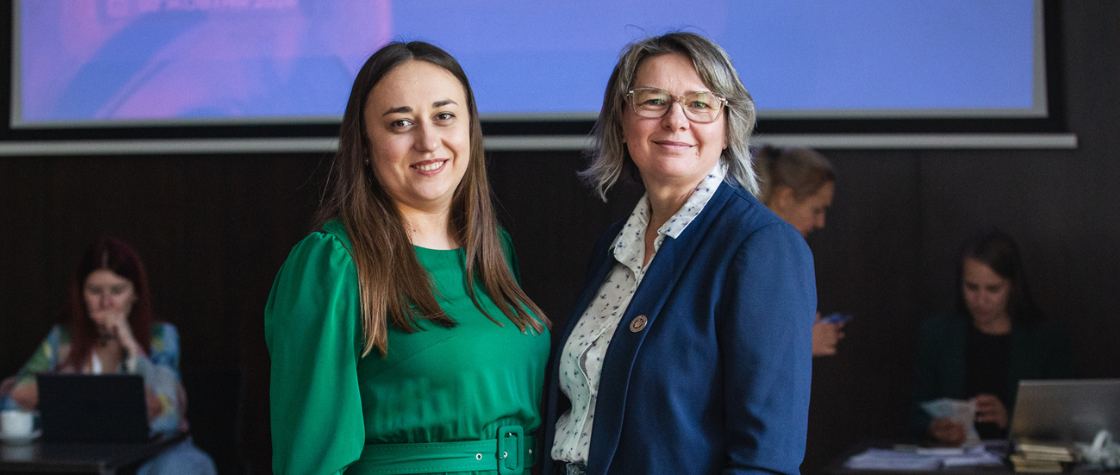
This idea shaped “Outside the Context”, an informal training session for communications professionals from Impulse project partner organisations that had received institutional support grants. The meeting in Lviv created a safe space for honest professional exchange.
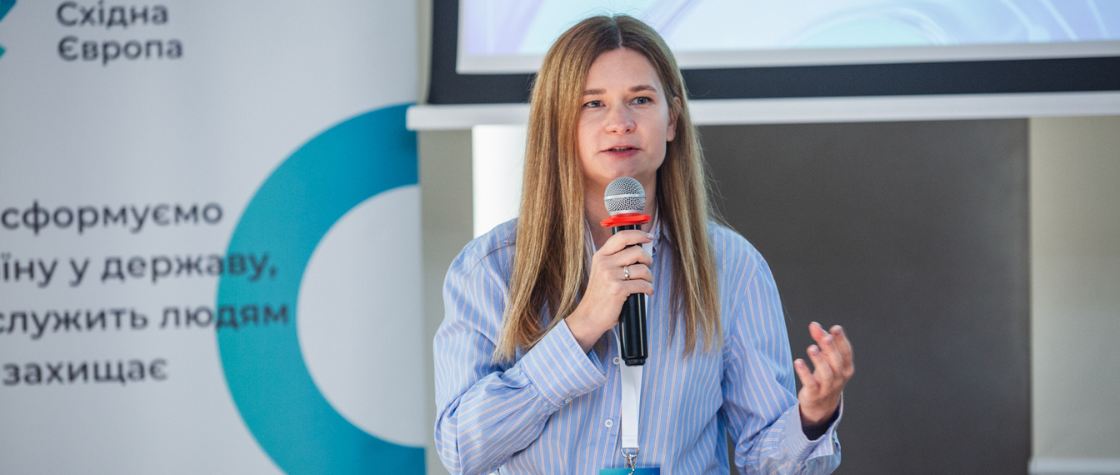
The event was opened by Viktoriia Gladchenko, Communication Director at East Europe Foundation. To set the tone for the discussion, Viktoriia was the first to share situations from her professional experience that later became valuable lessons. She also encouraged participants to speak openly about difficult personal decisions and unmet expectations.
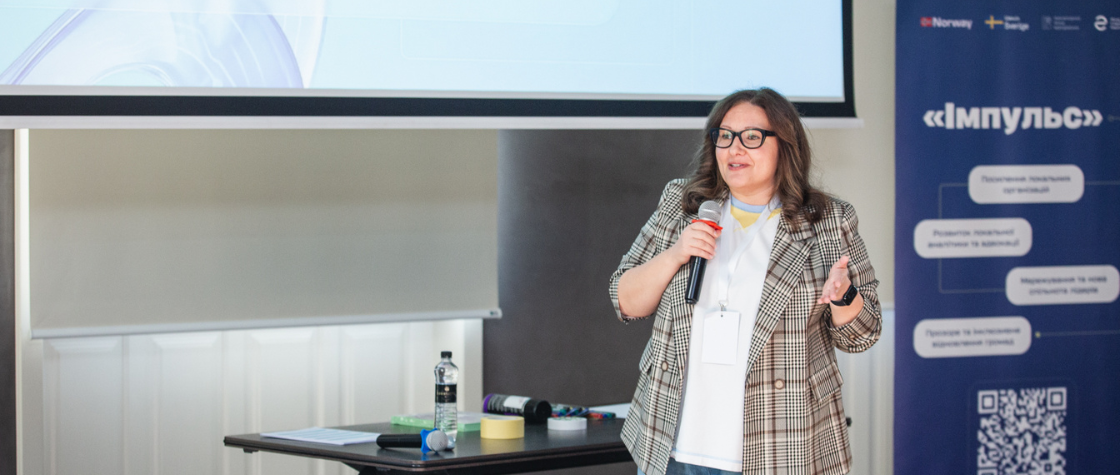
“Honest professional conversations are possible when people feel safe and are not afraid of being judged, because mistakes are an inevitable part of our work. It is important to create a space where we can calmly explore why something did not work, learn from colleagues’ experiences and identify what we should do differently next time,”
Viktoriia Gladchenko
From individual mistakes to shared patterns
The training was facilitated by Anastasiia Pustova, an expert in communications and strategy development, as well as a consultant and facilitator. She has worked in communications for more than 20 years and, over the past decade, has focused primarily on working with civil society organisations and public institutions on social change projects, organisational development and professional communities.
The training was grounded in the idea that every experience is a source of information, and that recognising mistakes and learning from them is an essential skill for mature professionals.
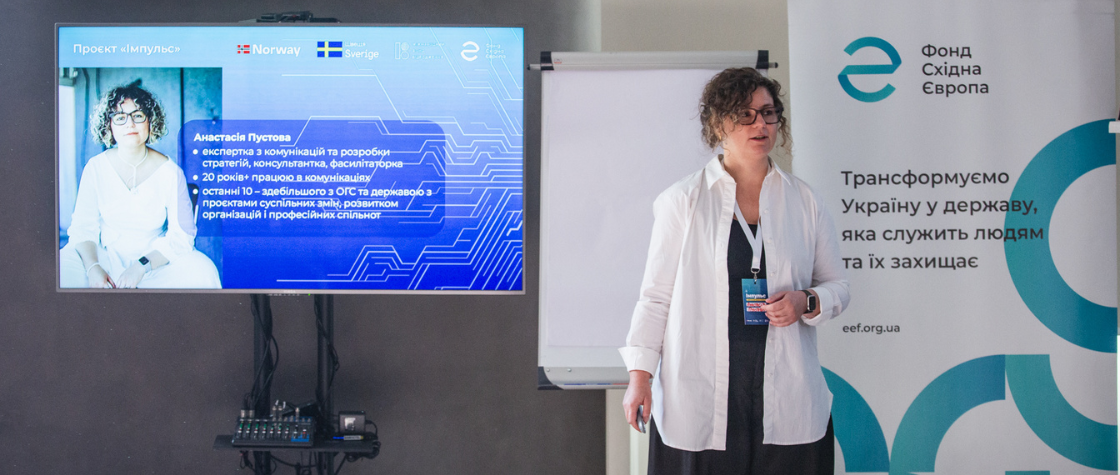
“Sharing what we have learned from our mistakes is an act of professional courage and generosity. It is important not to look for someone to blame or judge past decisions based on what we know today. Instead, we should understand what information the team had at the time, why it chose that course of action and what the experience can teach us for the future,”
Anastasiia Pustova
Participants learned to distinguish between a mistake, an experiment, an external crisis and a systemic management issue. This framework helped them identify the causes of each situation more accurately and avoid simple answers when the real issue called for changes to processes, ways of working together or management decisions.
The case work centred on three questions: What did the team plan to do? What actually happened? What did the team learn from the situation? After each story, participants discussed whether they had faced a similar experience, what stood out to them and what lessons they could apply in their current work.
Participants also worked in groups, creating a gallery of useful practices and their own lists of next steps.
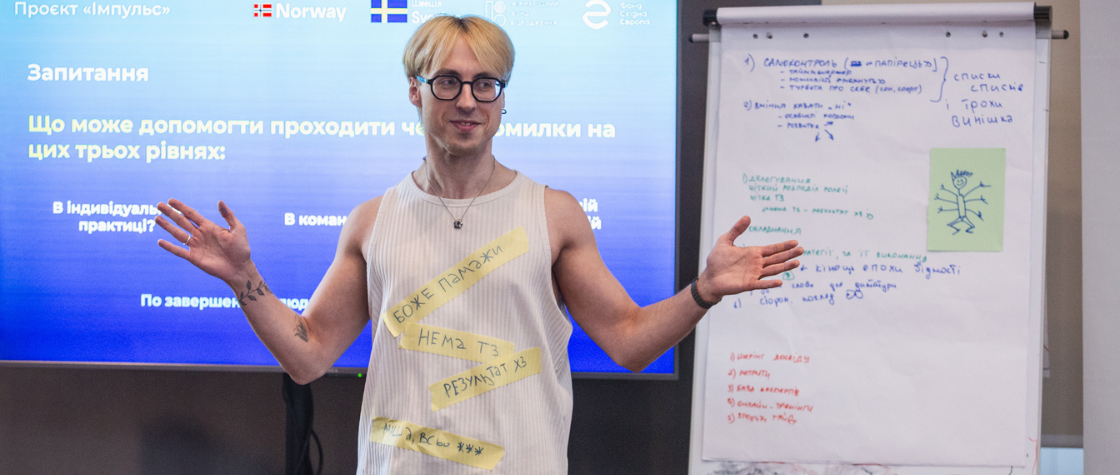
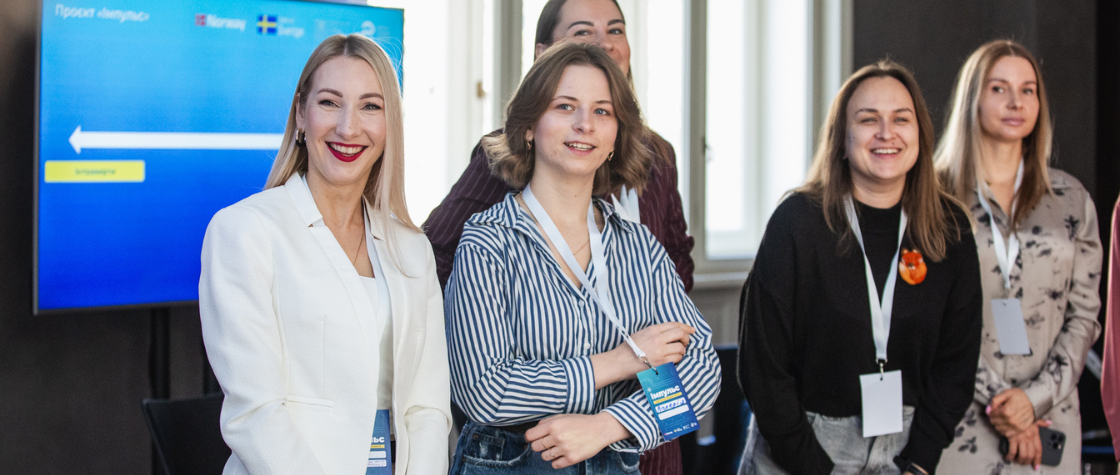



The training helped participants look beyond individual stories and identify shared professional patterns. The topics, scale, audiences and tools varied, but the causes of the challenges often overlapped: untested assumptions, insufficient research into the context, overreliance on a single resource, no contingency plan, or too little time allocated to working with partners.