



Share
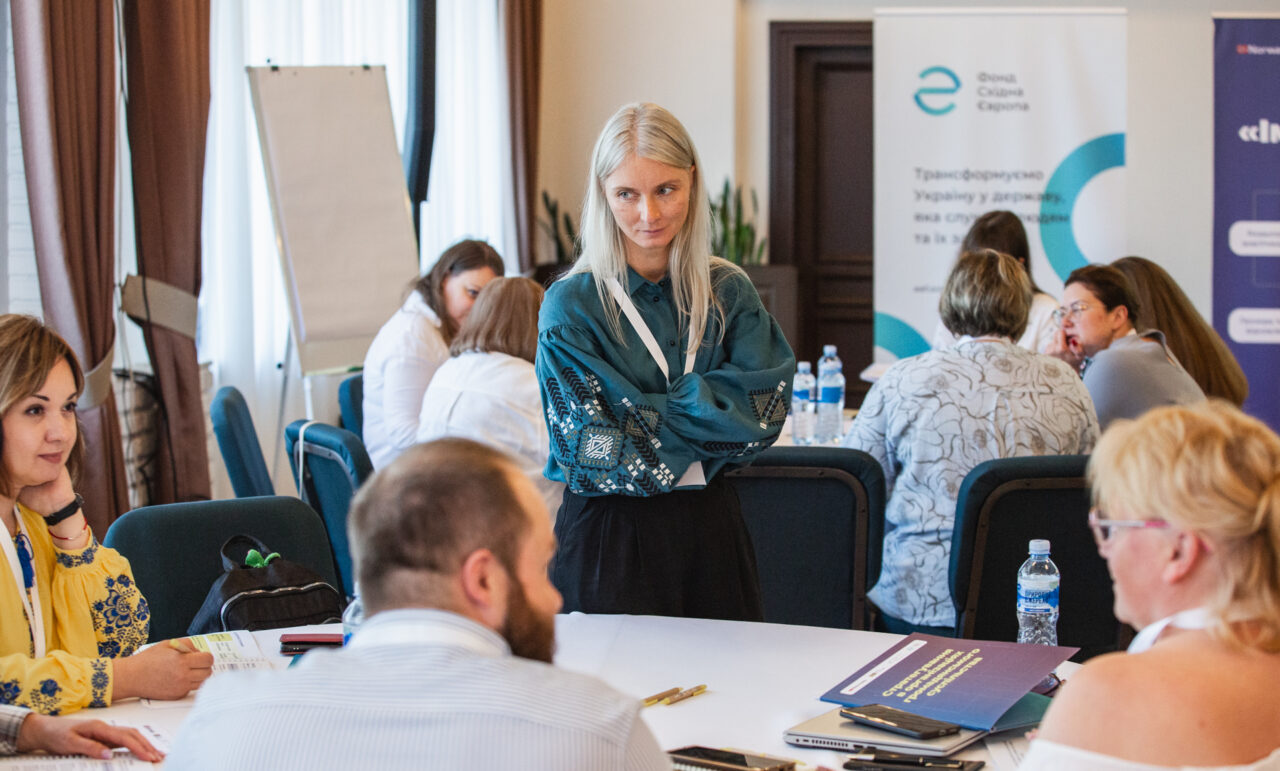
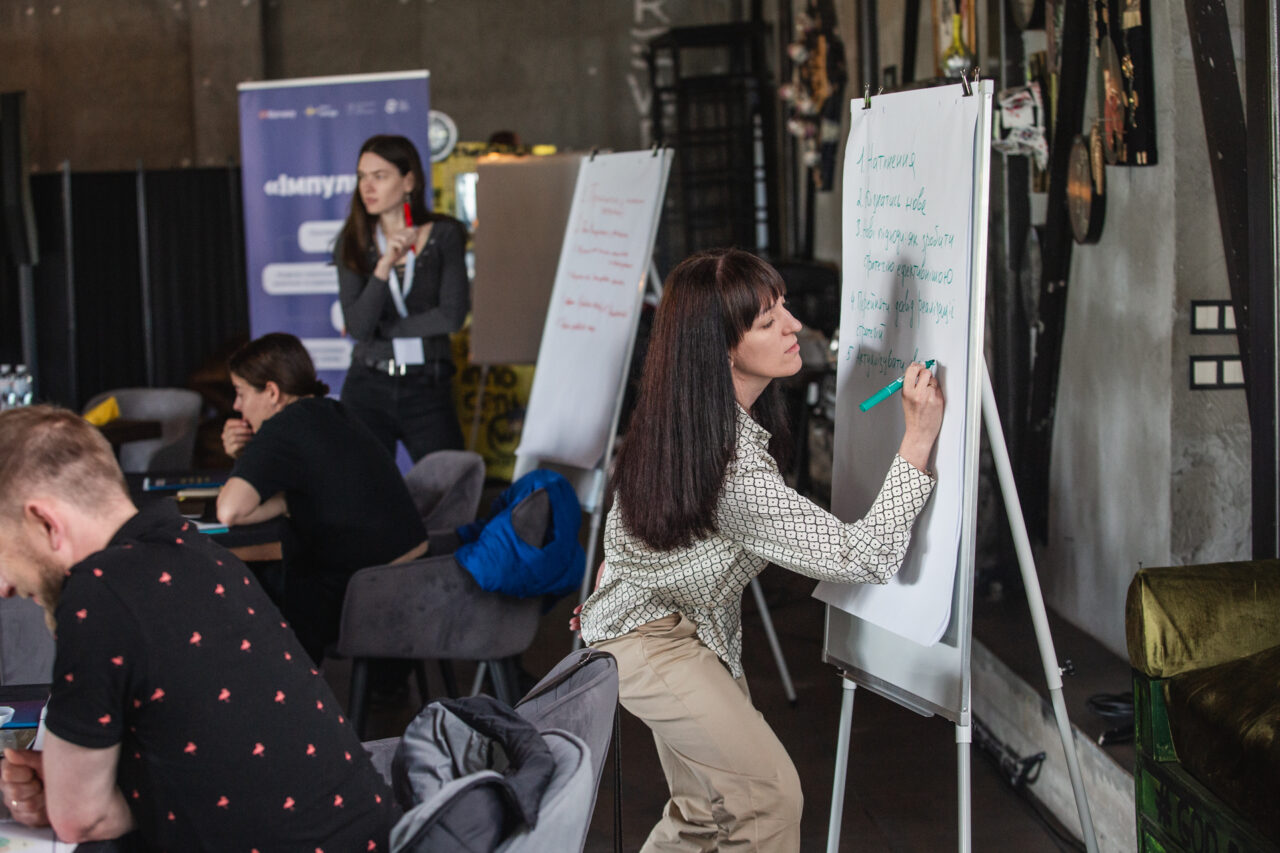
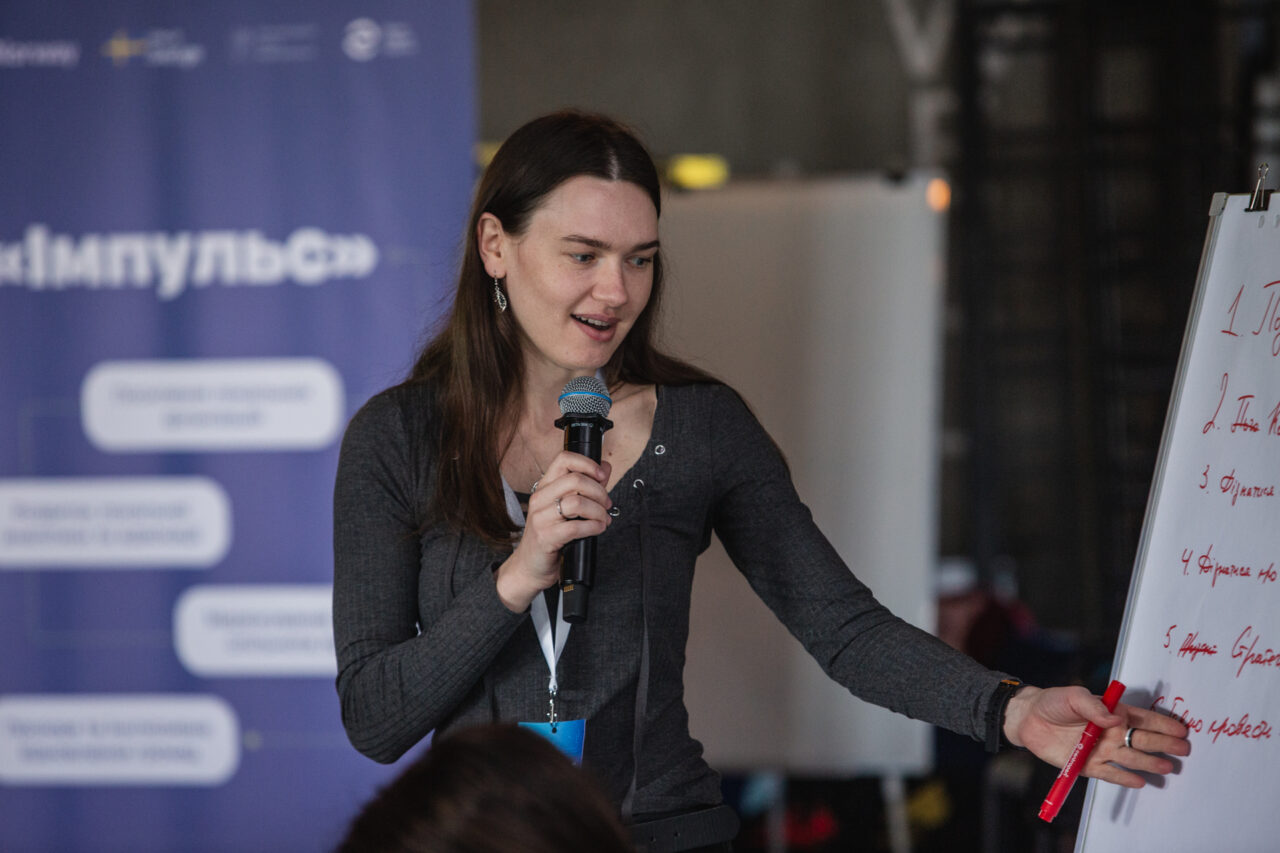
Strategies do not just emerge in between urgent calls, reports, and continuous crisis response. They require time, focus, and the ability to think ahead. That is why the team at East Europe Foundation conducted two three‑day strategic planning workshops for different waves of Impulse grantees.
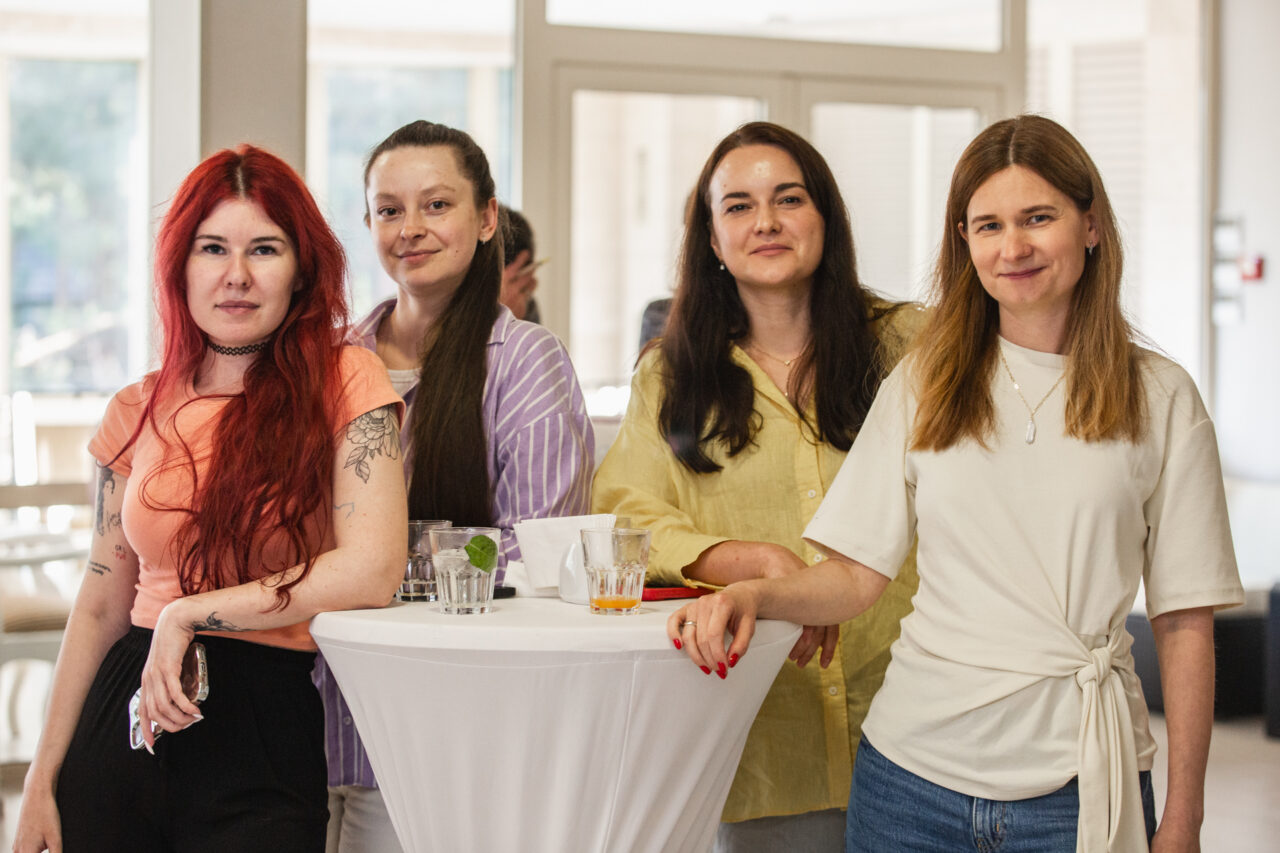
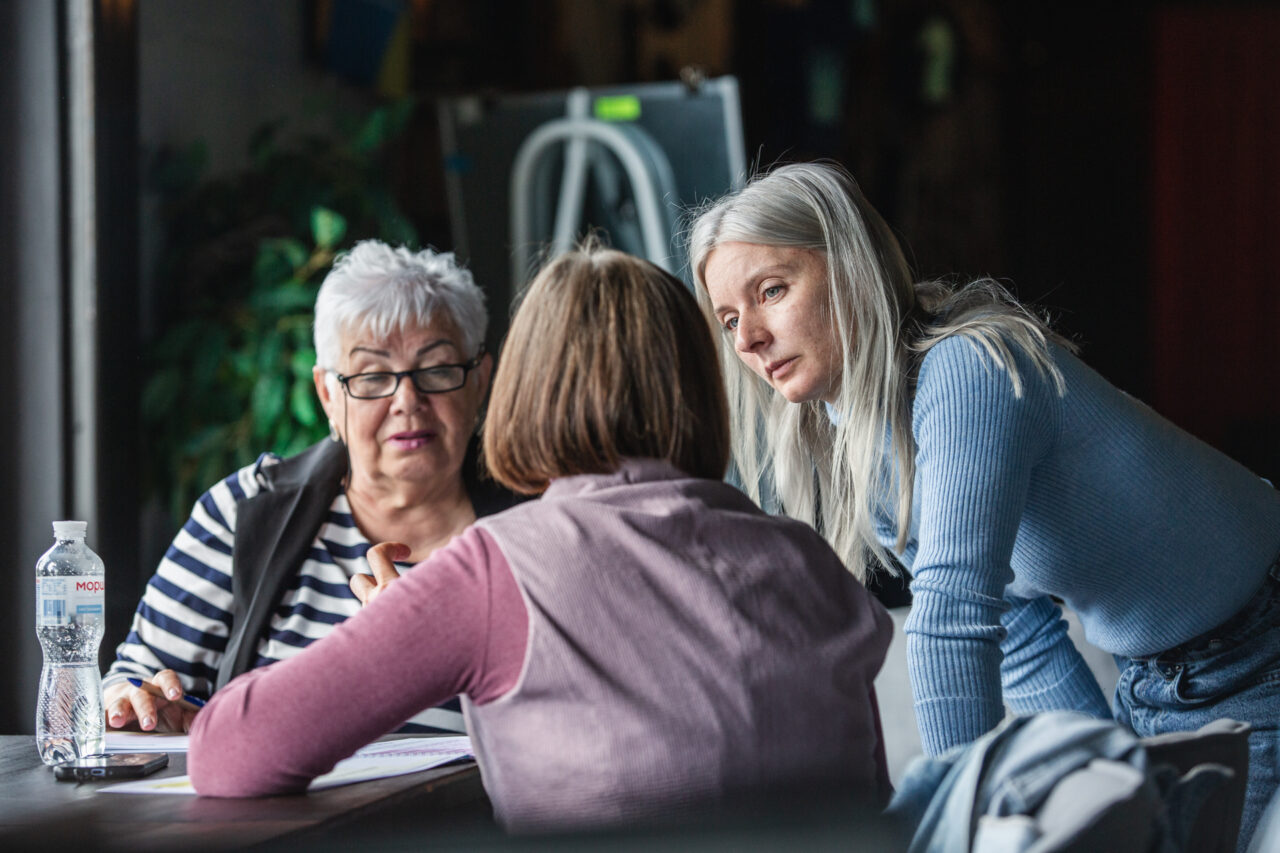
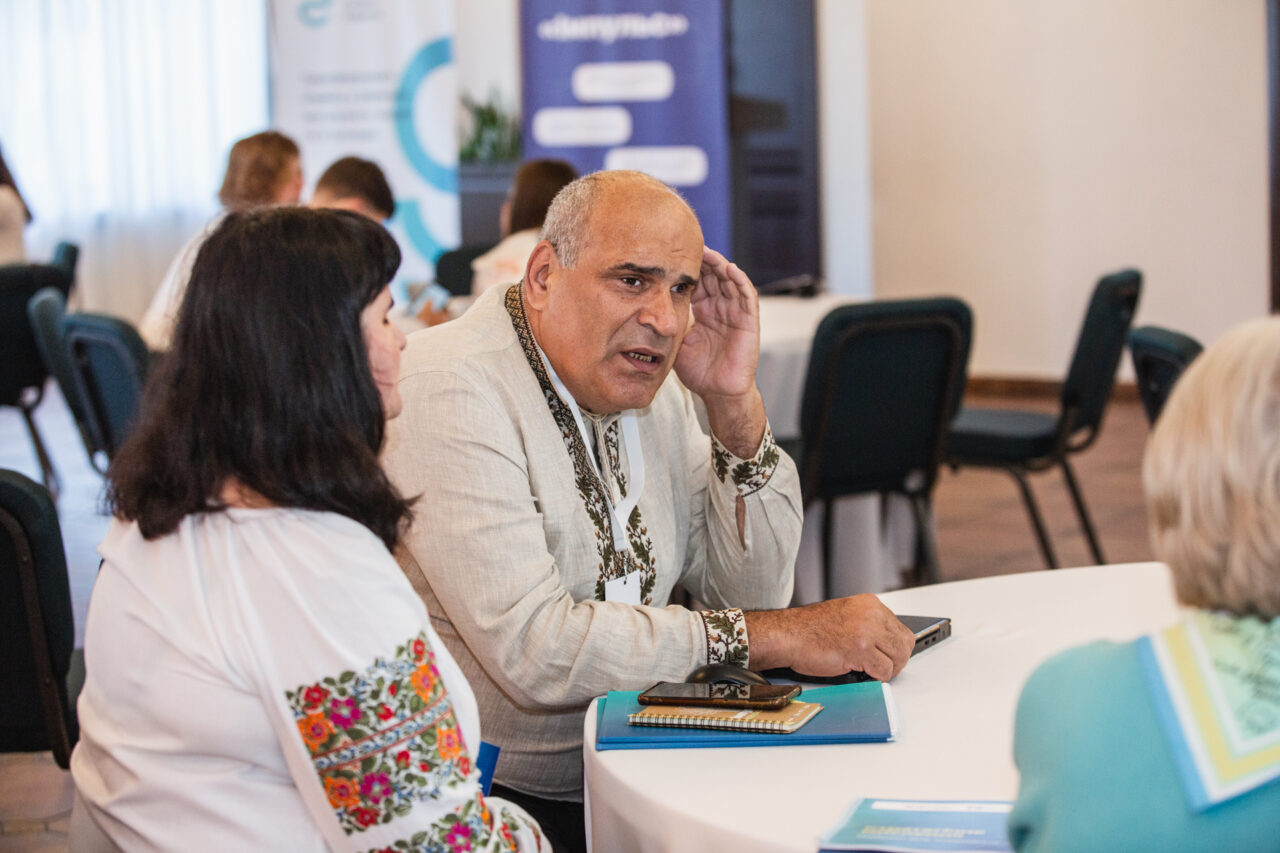
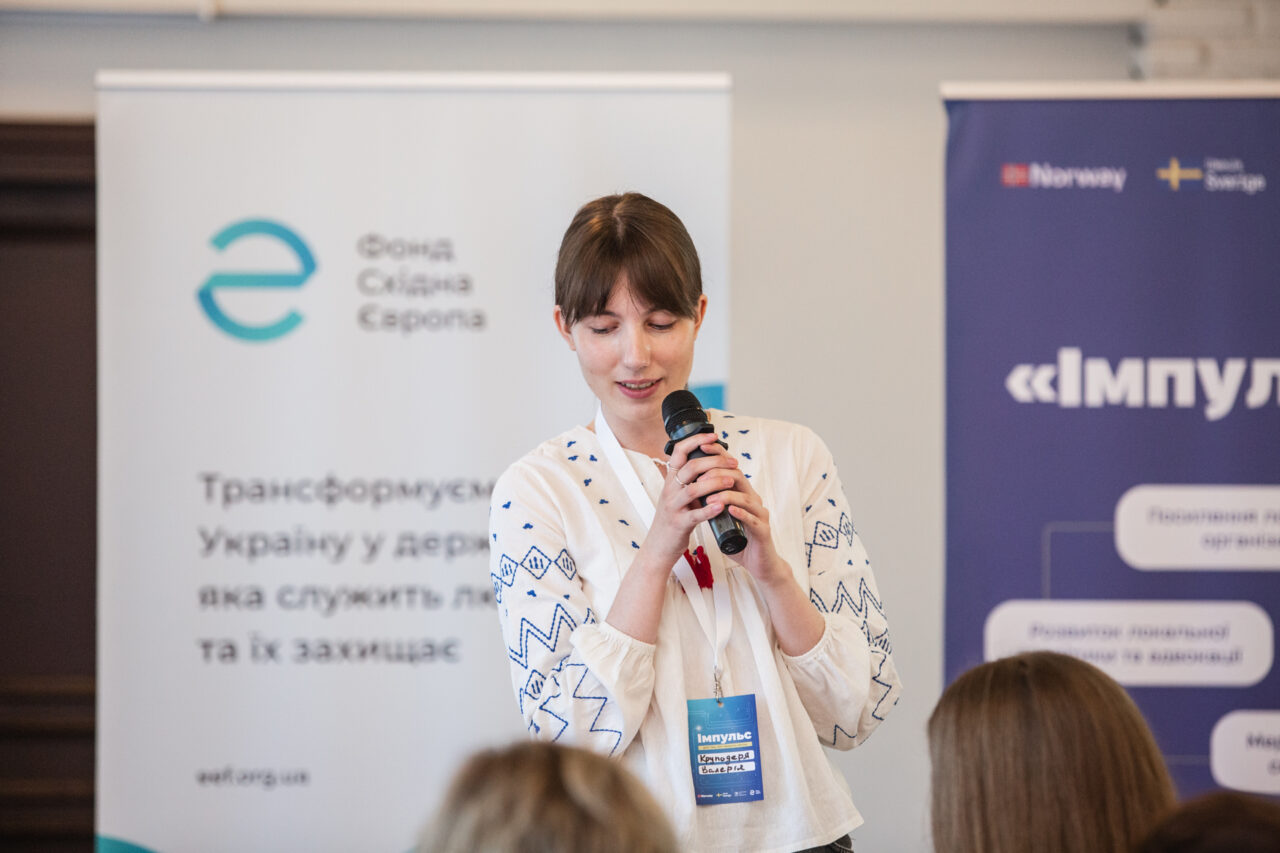
Representatives of CSOs from across Ukraine came together to work on the development of their organizations, share experiences, connect with each other, and recharge emotionally.




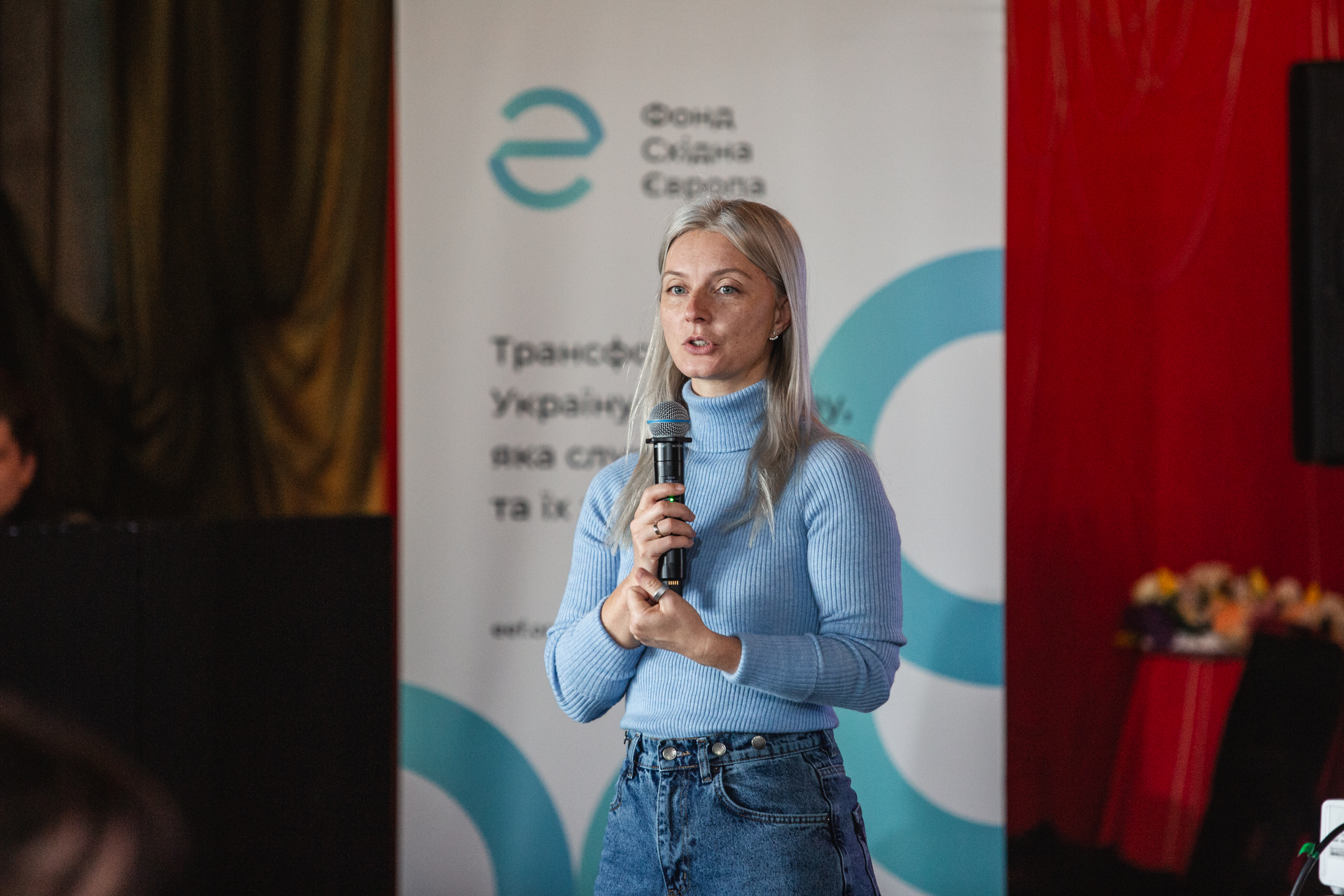
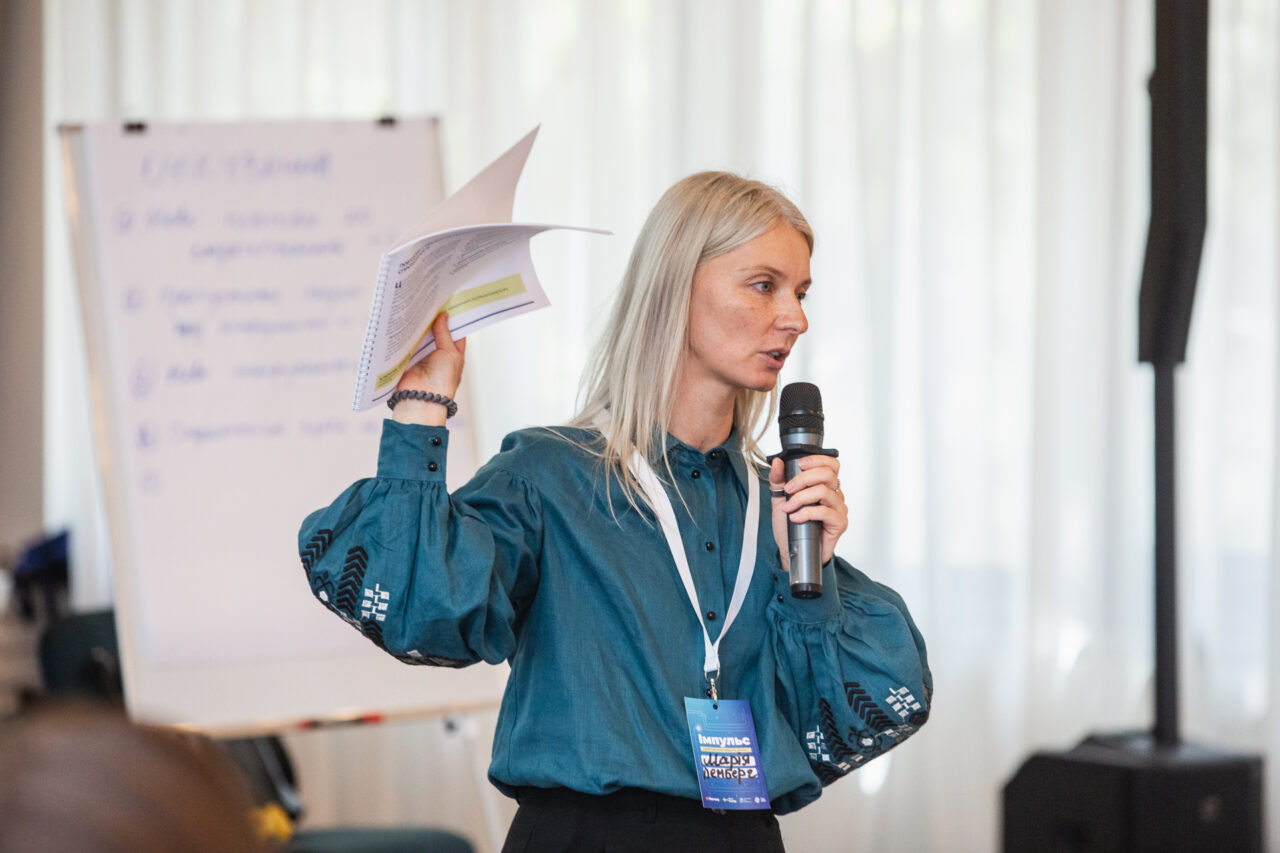
We invited Maria Lemberg, a consultant on institutional development and governance, to enhance work with teams.
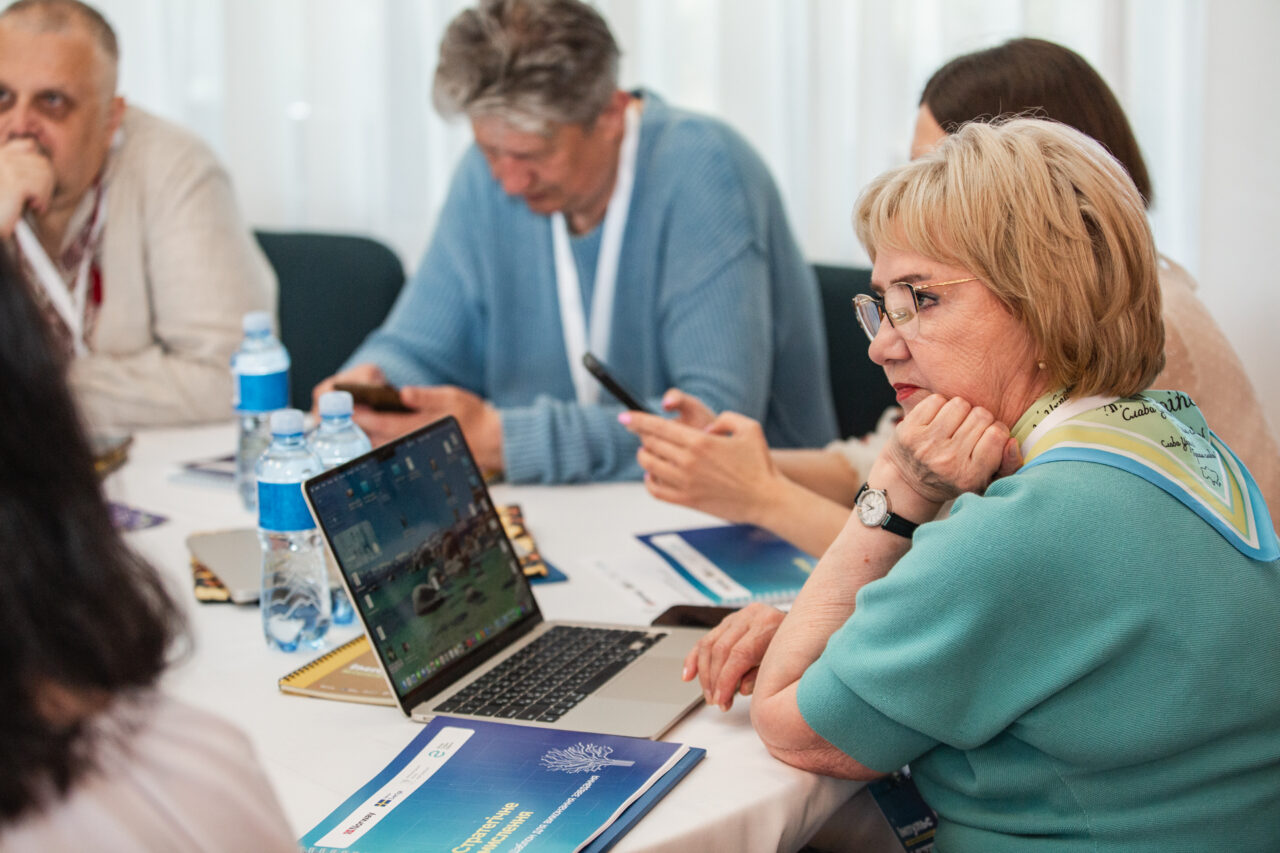
She developed a “Strategic Thinking” workbook based on the OPI (Organizational Performance Index) and the principles of IREX (International Research & Exchanges Board) specifically for the Impulse grantees. The document also draws on materials by IMD, the Swiss business school.
This workbook became the main tool used during the training: participants analyzed their organizations step by step and worked on feasible solutions.


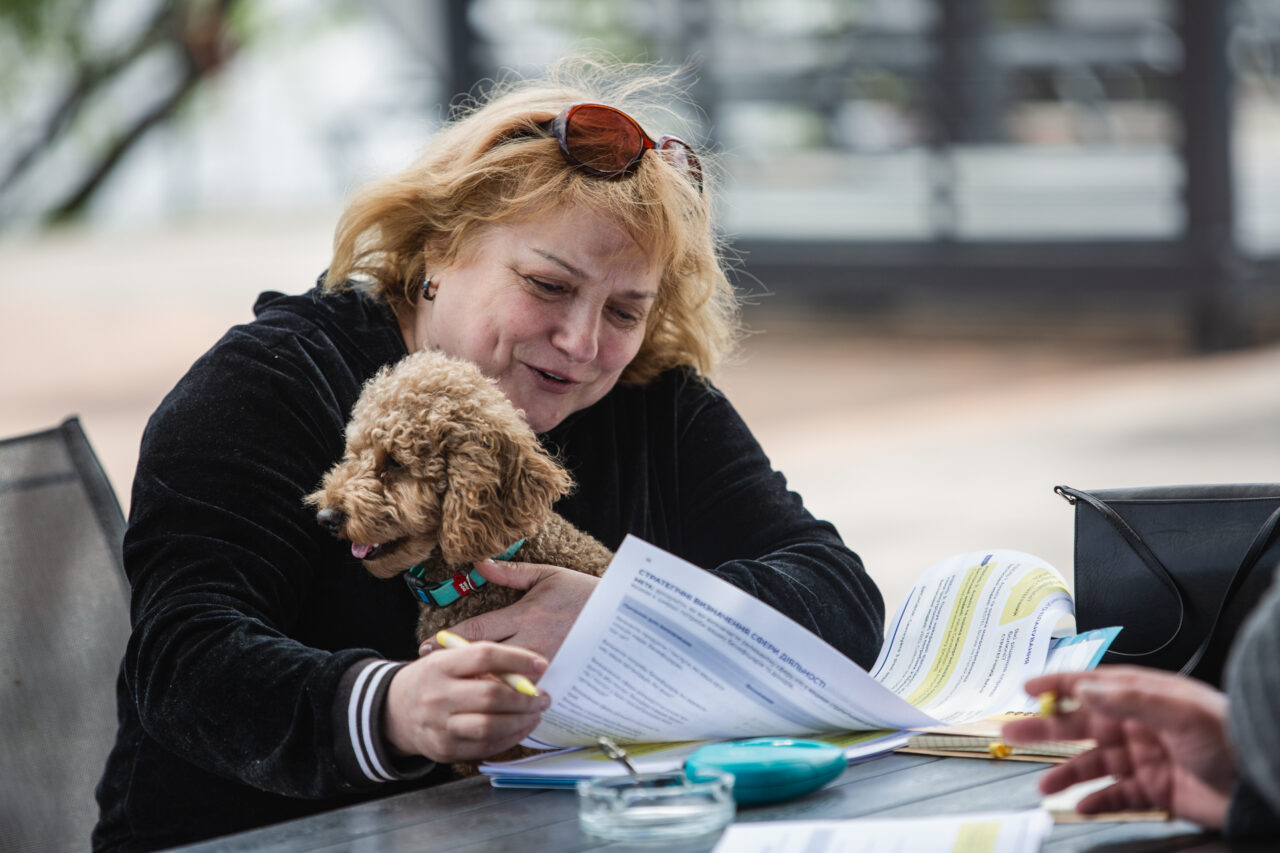
Strategic planning at the workshops was not treated as a formal document “for donors only,” but as a continuous process. Participants learned how organizations can better understand their environment, identify strengths, adapt to change, and make difficult yet important decisions.
They worked with different models and frameworks: analyzing the needs of their beneficiaries, identifying “broken links” within their organizations, forming a strategic diagnosis, and defining their must‑win battles.
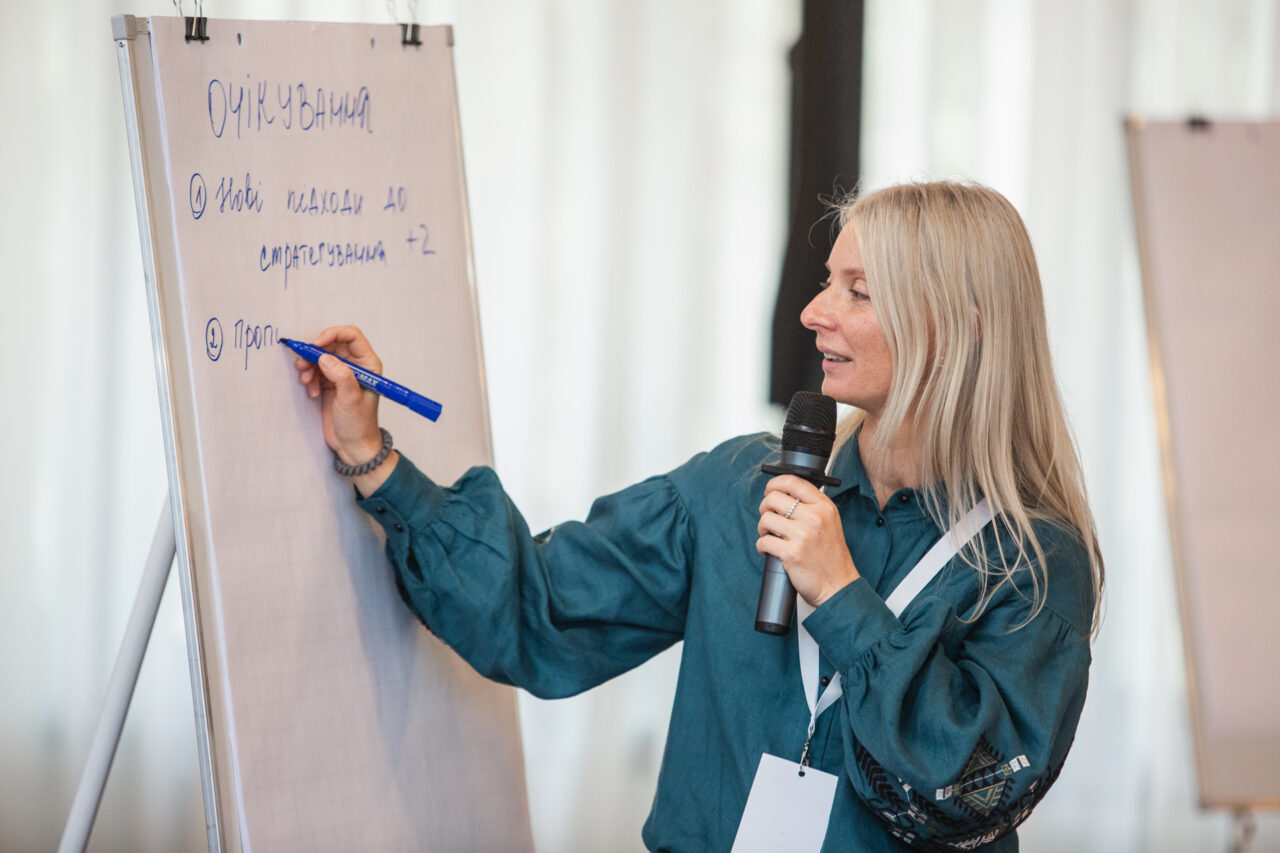


Special attention was given to financial sustainability, exploring new revenue models, developing partnerships, and innovative approaches. In the workbook, Maria Lemberg suggests viewing strategy not only through programs and activities but as a holistic system: team, processes, culture, partnerships, value proposition, and impact.
During the workshops, participants also practiced turning strategic ideas into specific actions — through the OKR (Objectives and Key Results) approach, which helps define not only “where we are going,” but also “how we will know that we have arrived at the destination point.”
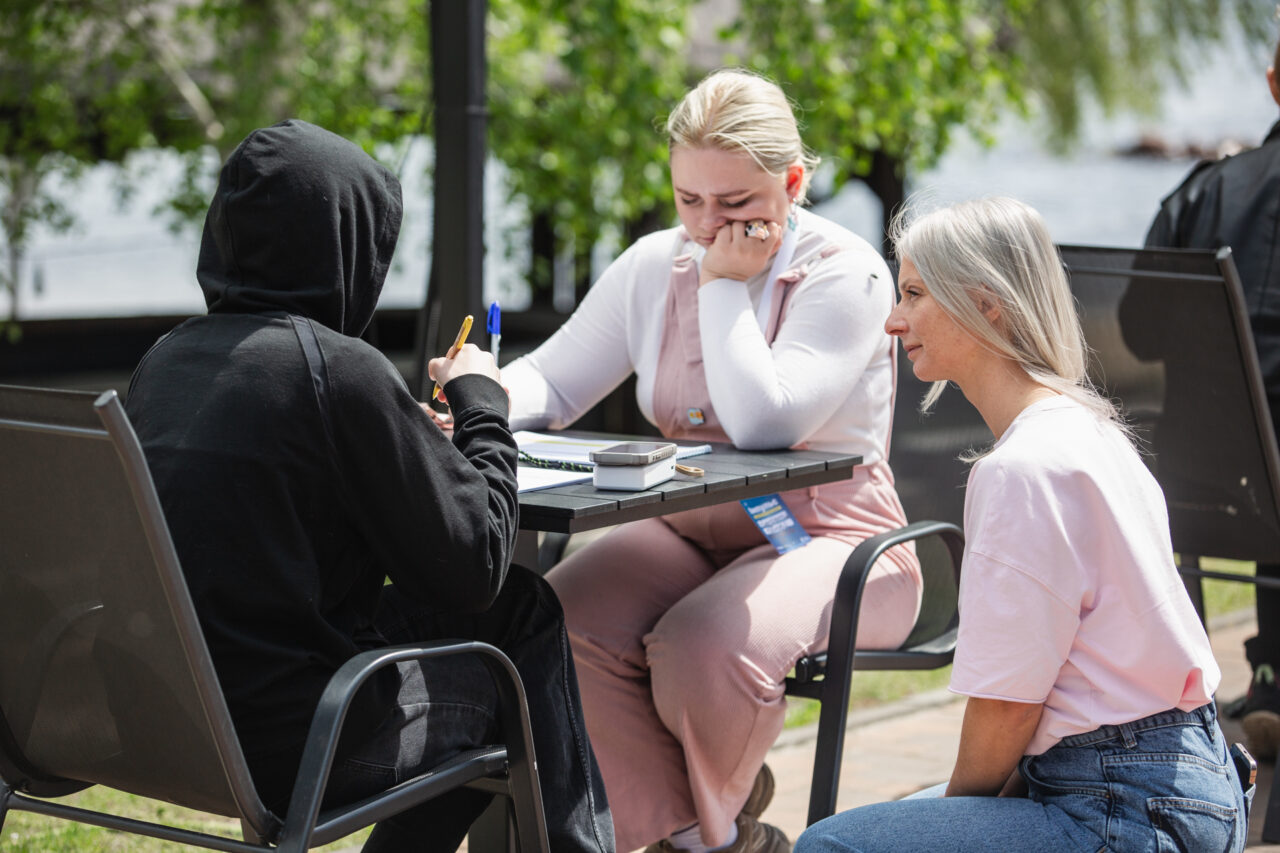
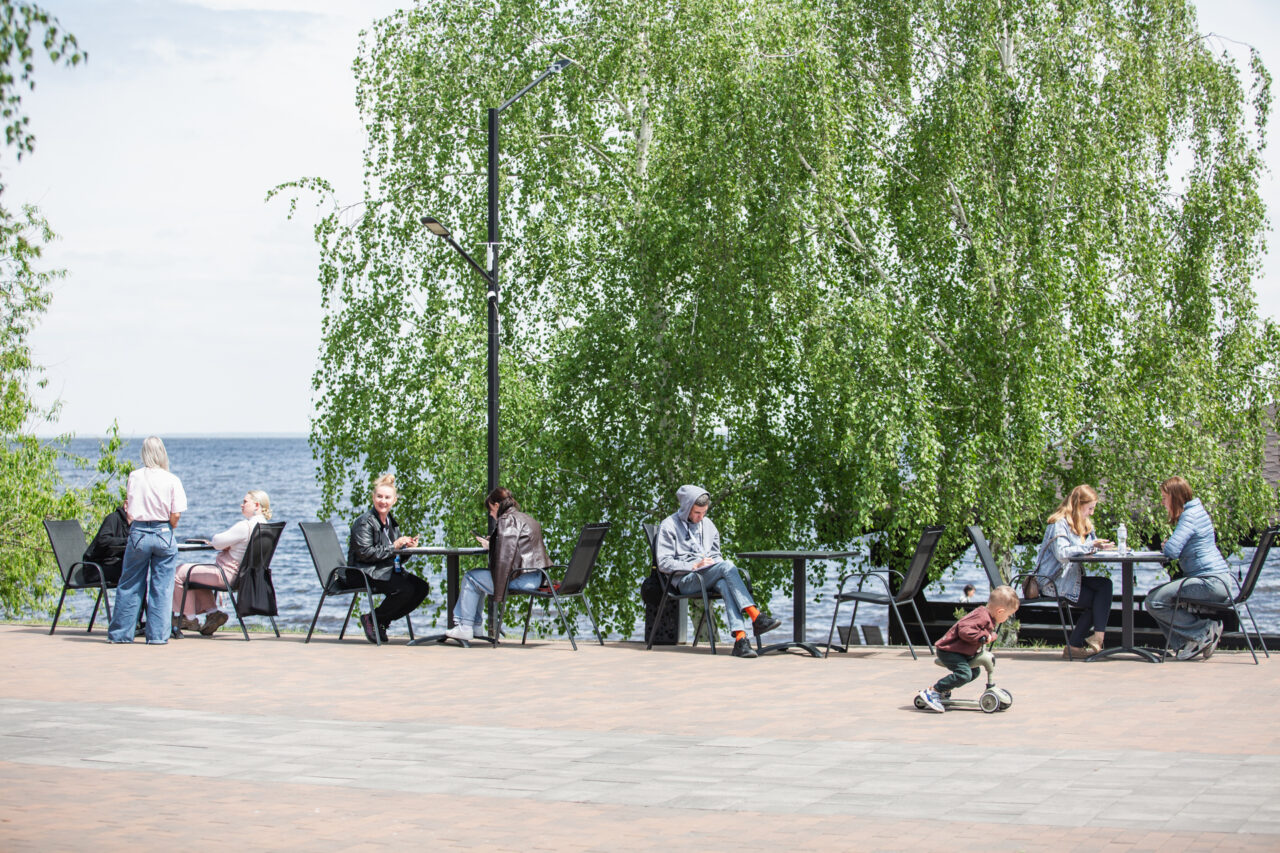
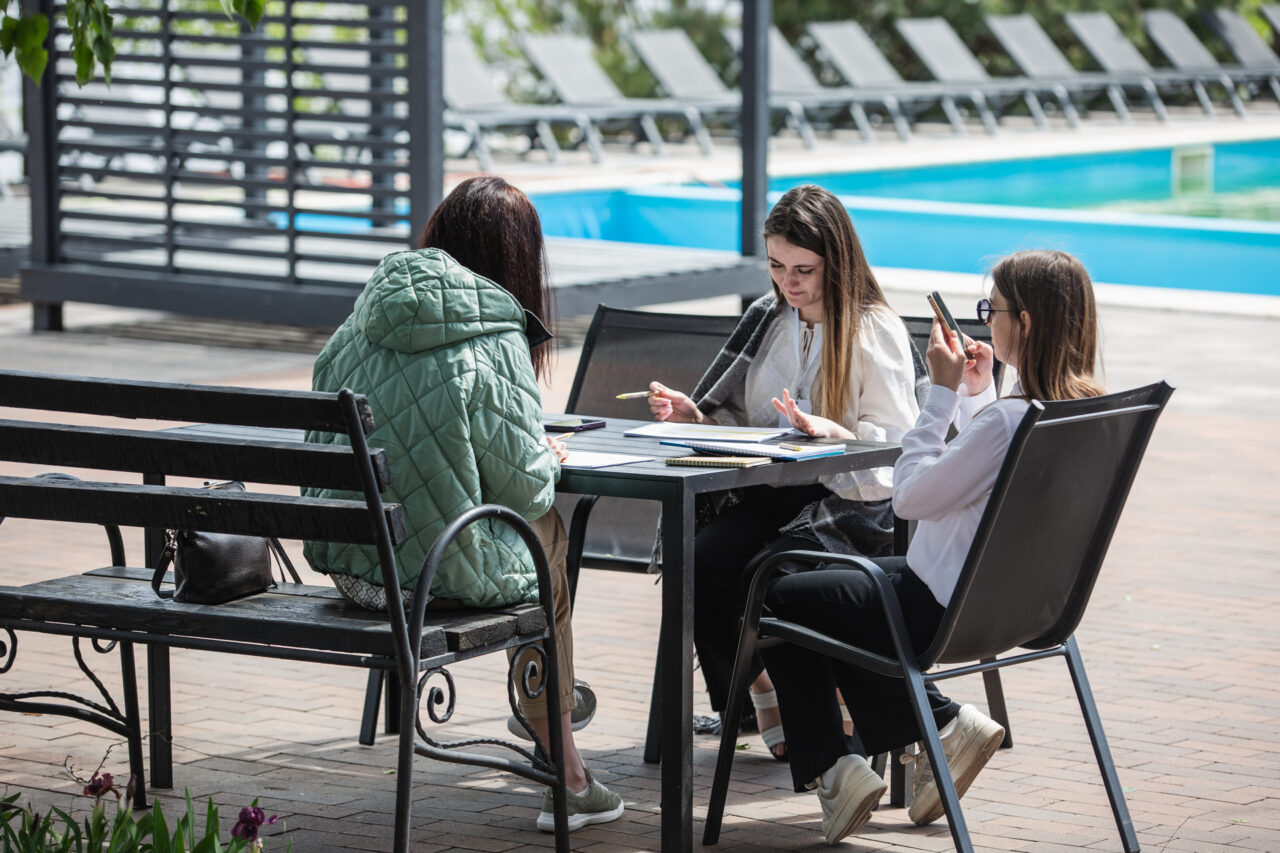

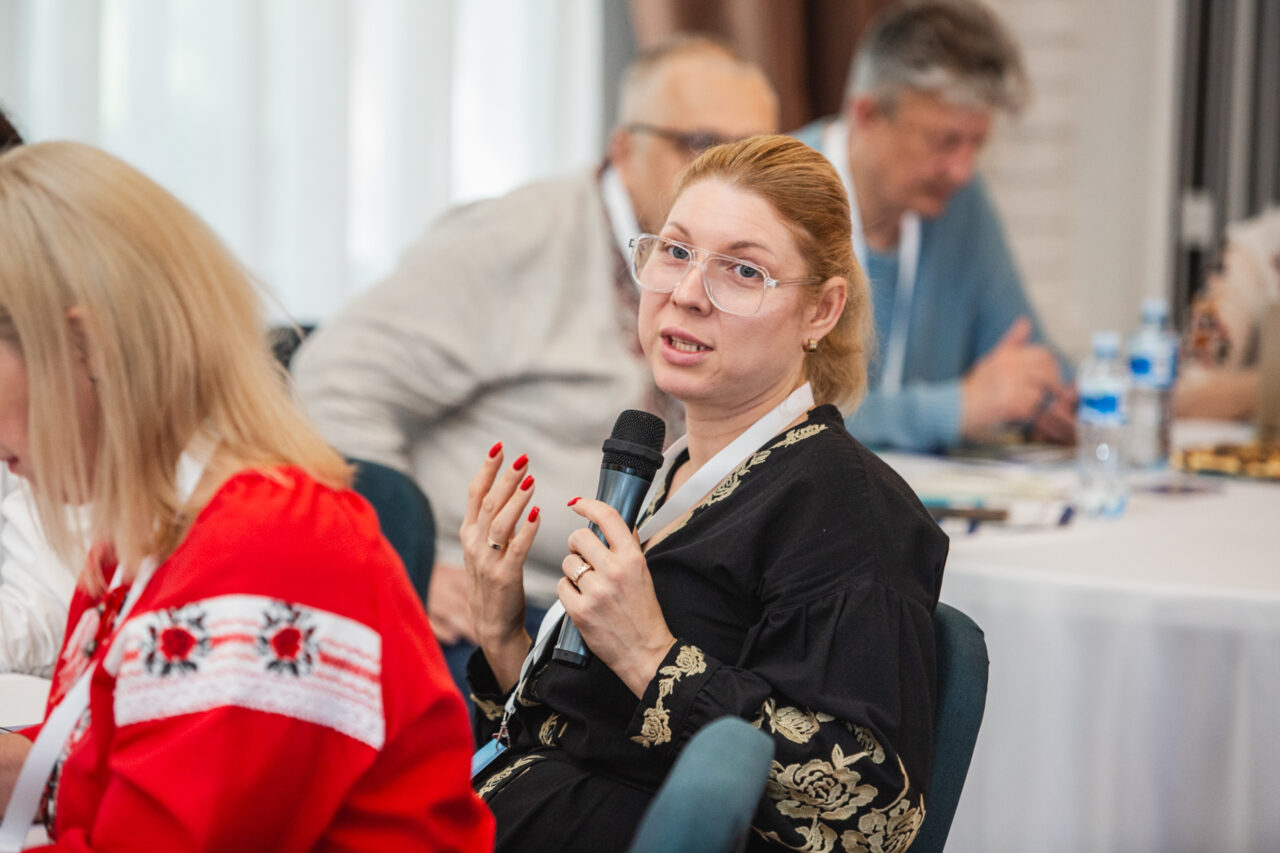
The direct communication between the organizations was another valuable part of these meetings. The teams exchanged experiences, discussed challenges, and shared solutions for their communities.

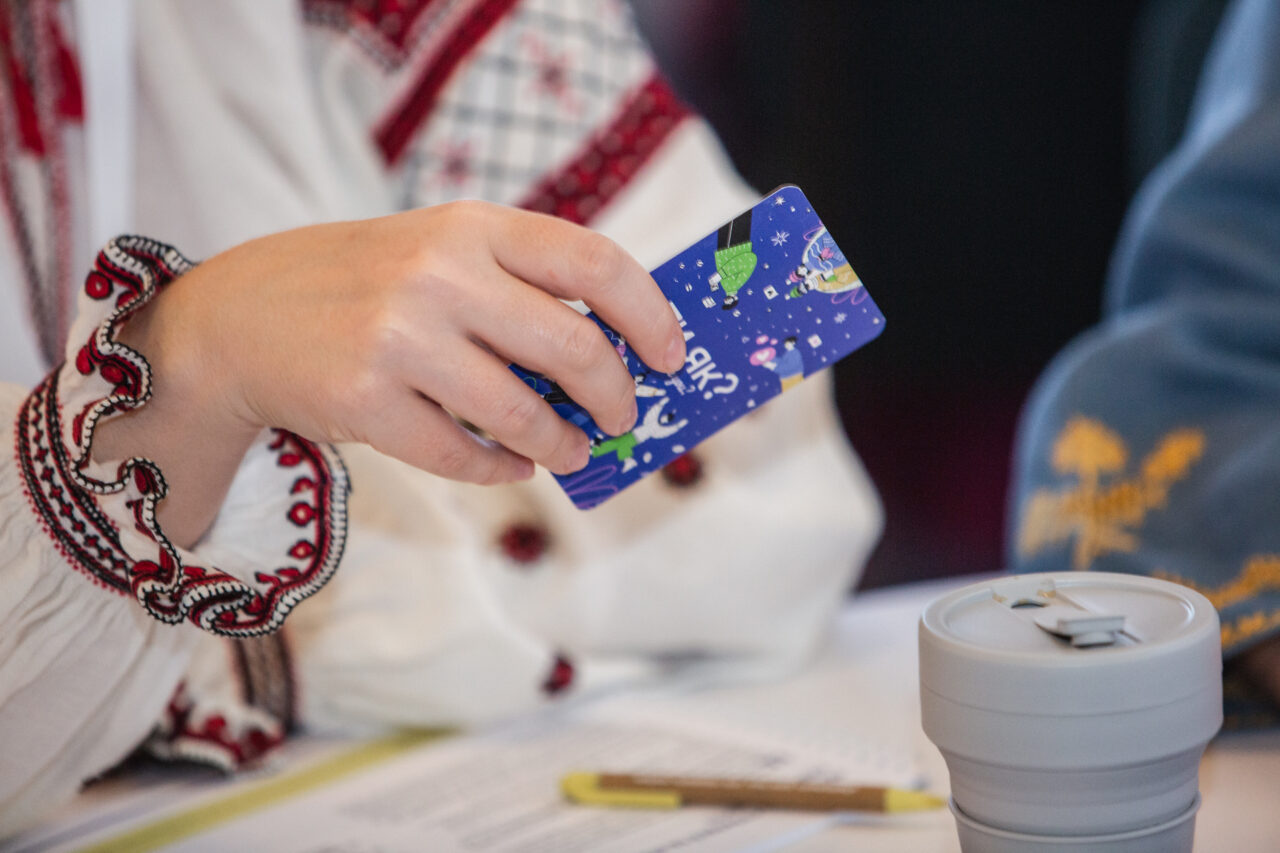
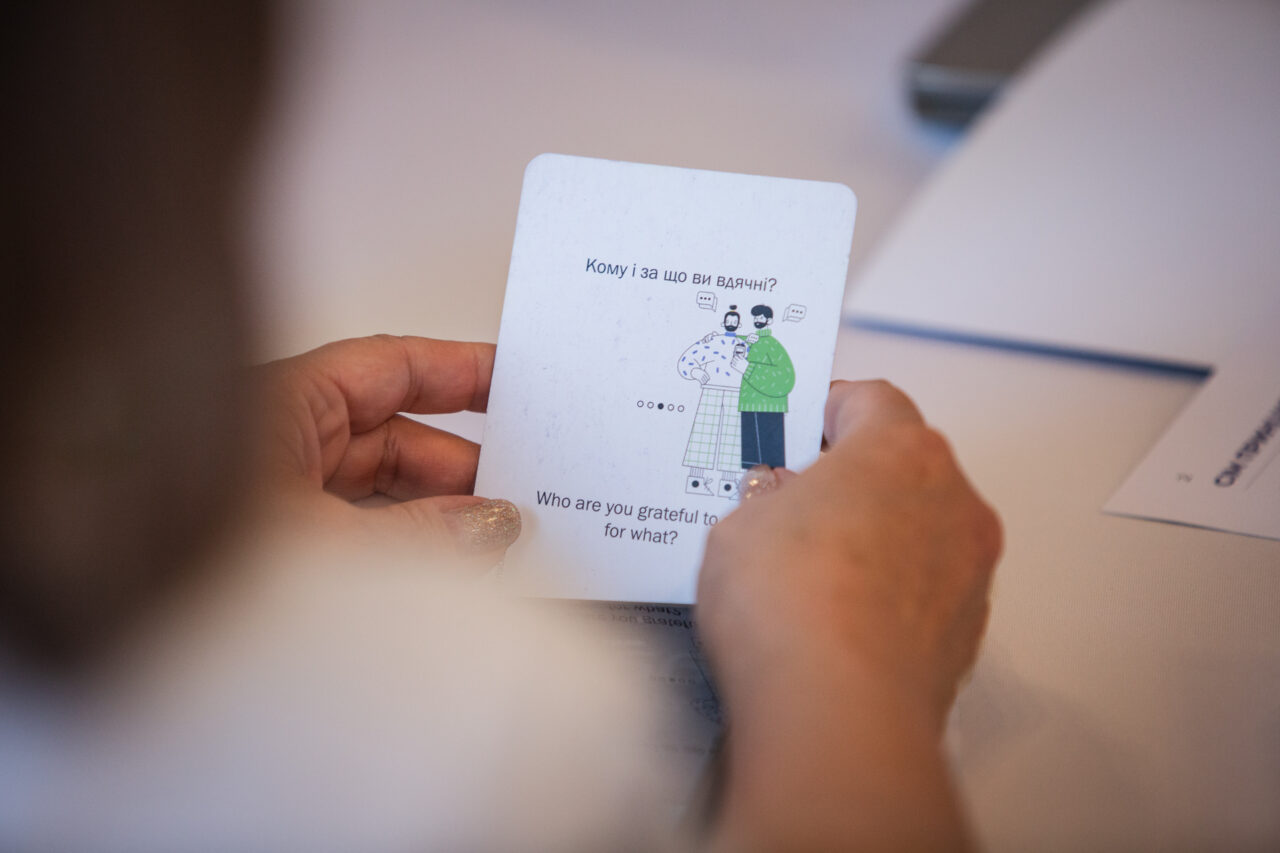
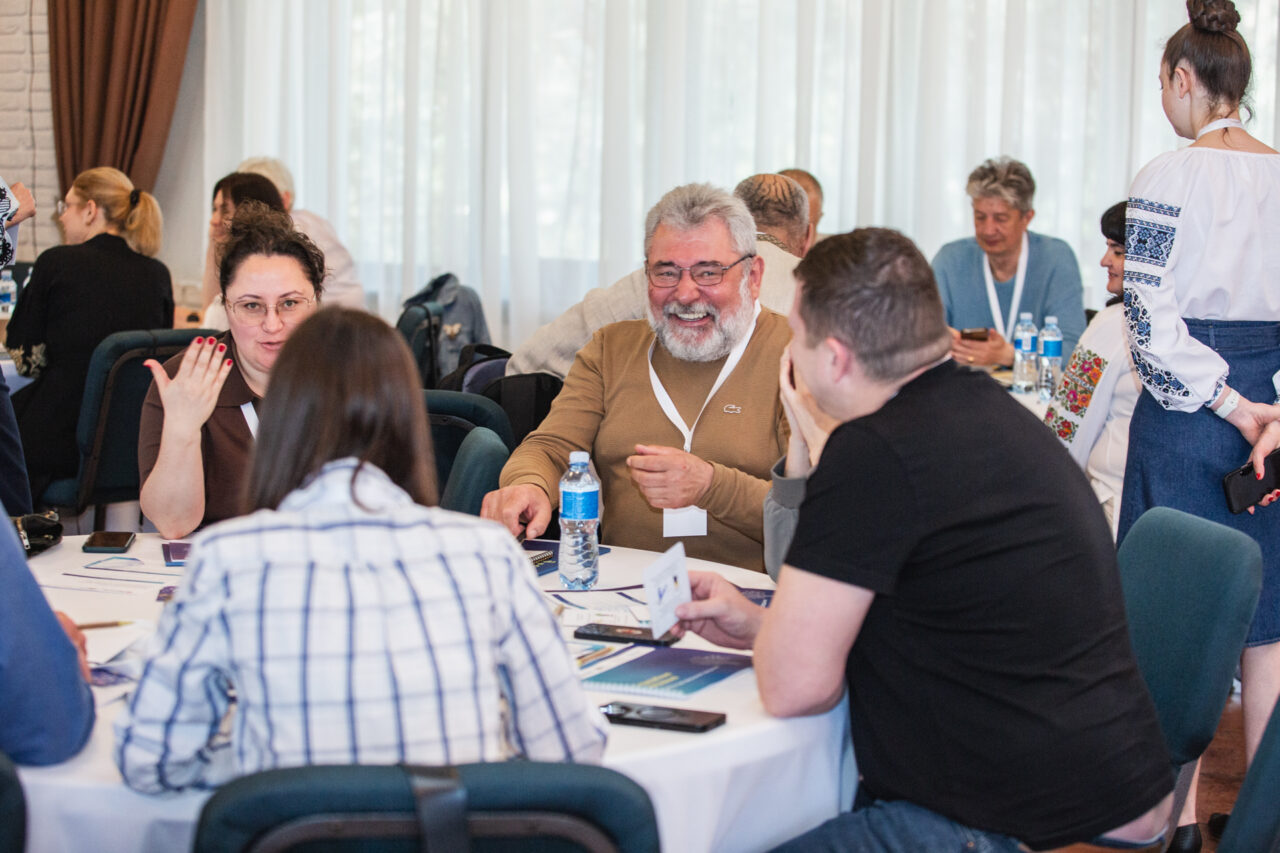
During the second workshop, we celebrated Vyshyvanka Day together. It was moving to see ornaments from different corners of Ukraine gathered in one space. Participants brought their embroidered shirts, and that day our event was filled with an even stronger sense of unity and warmth.
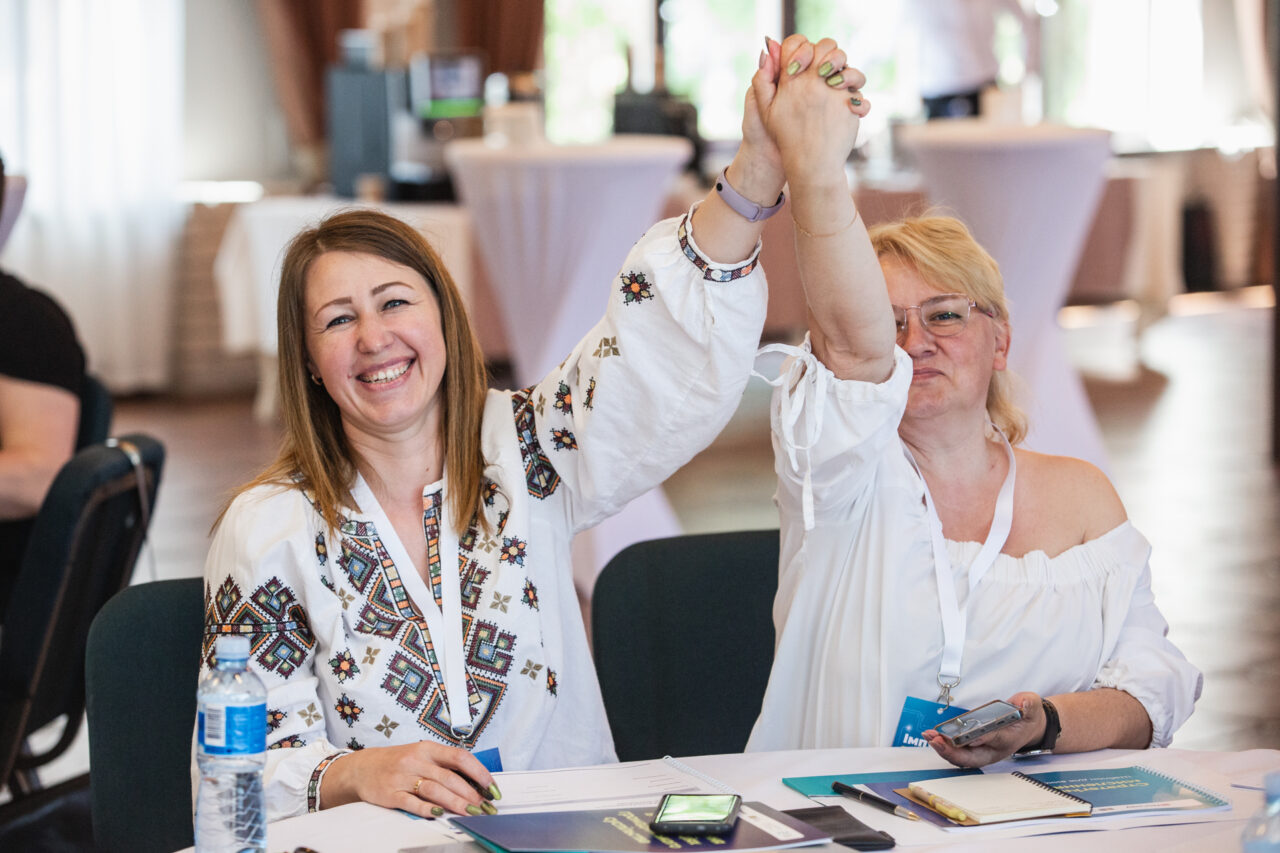

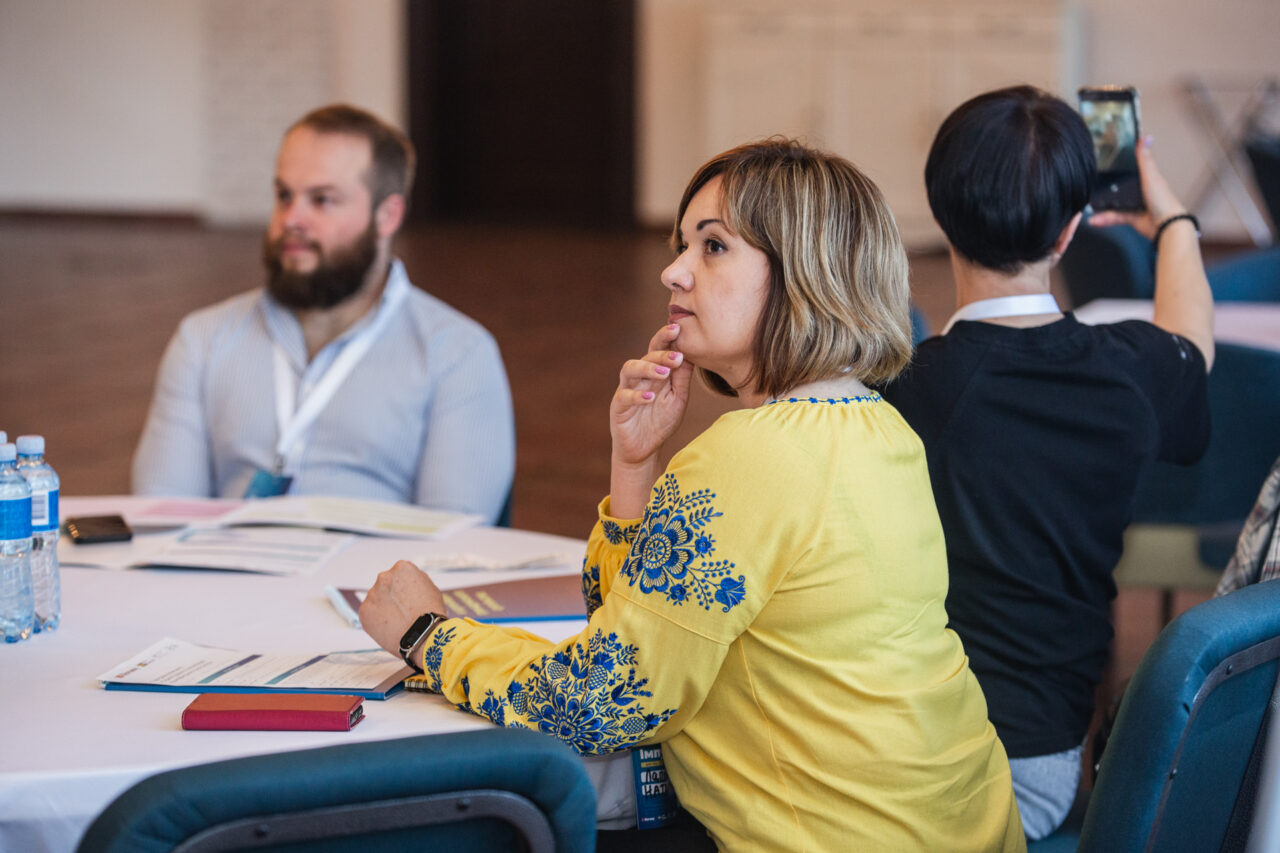
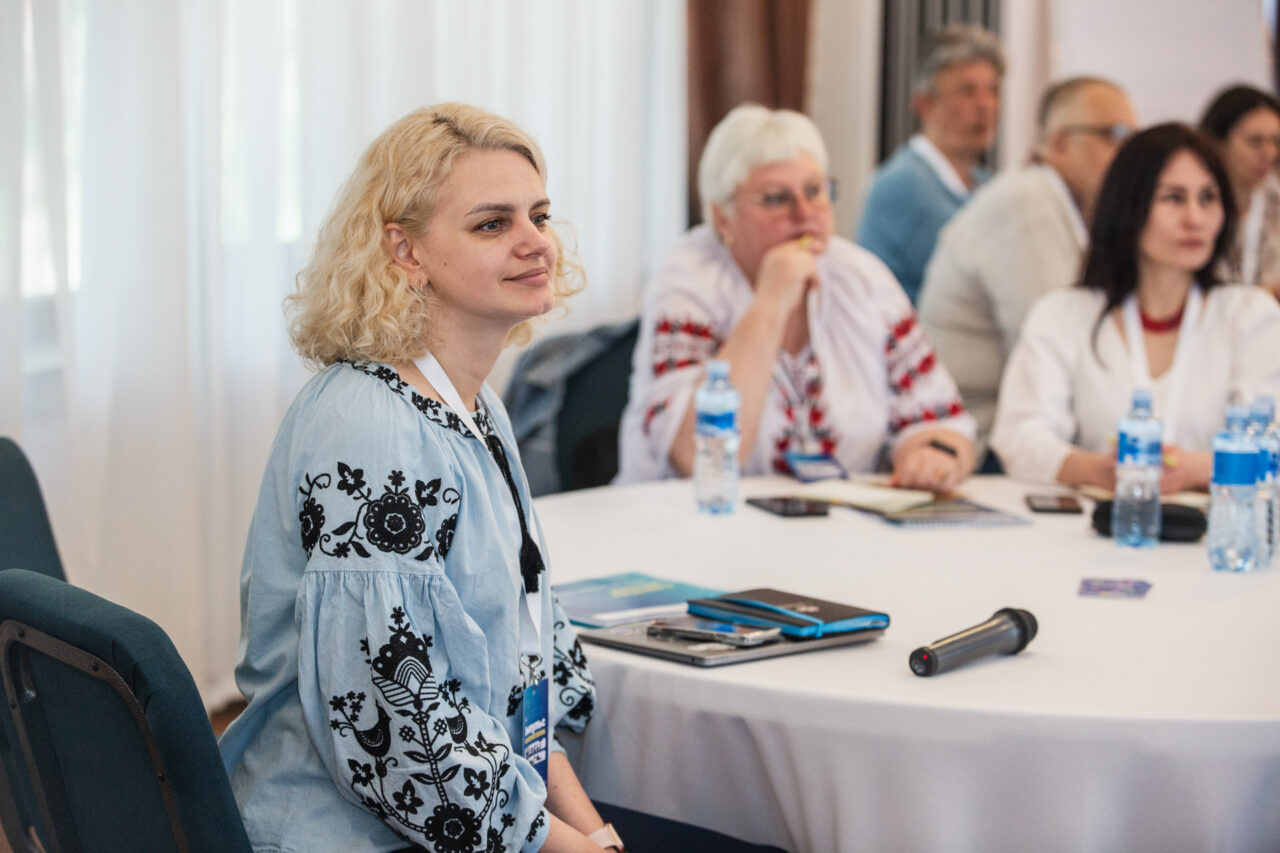
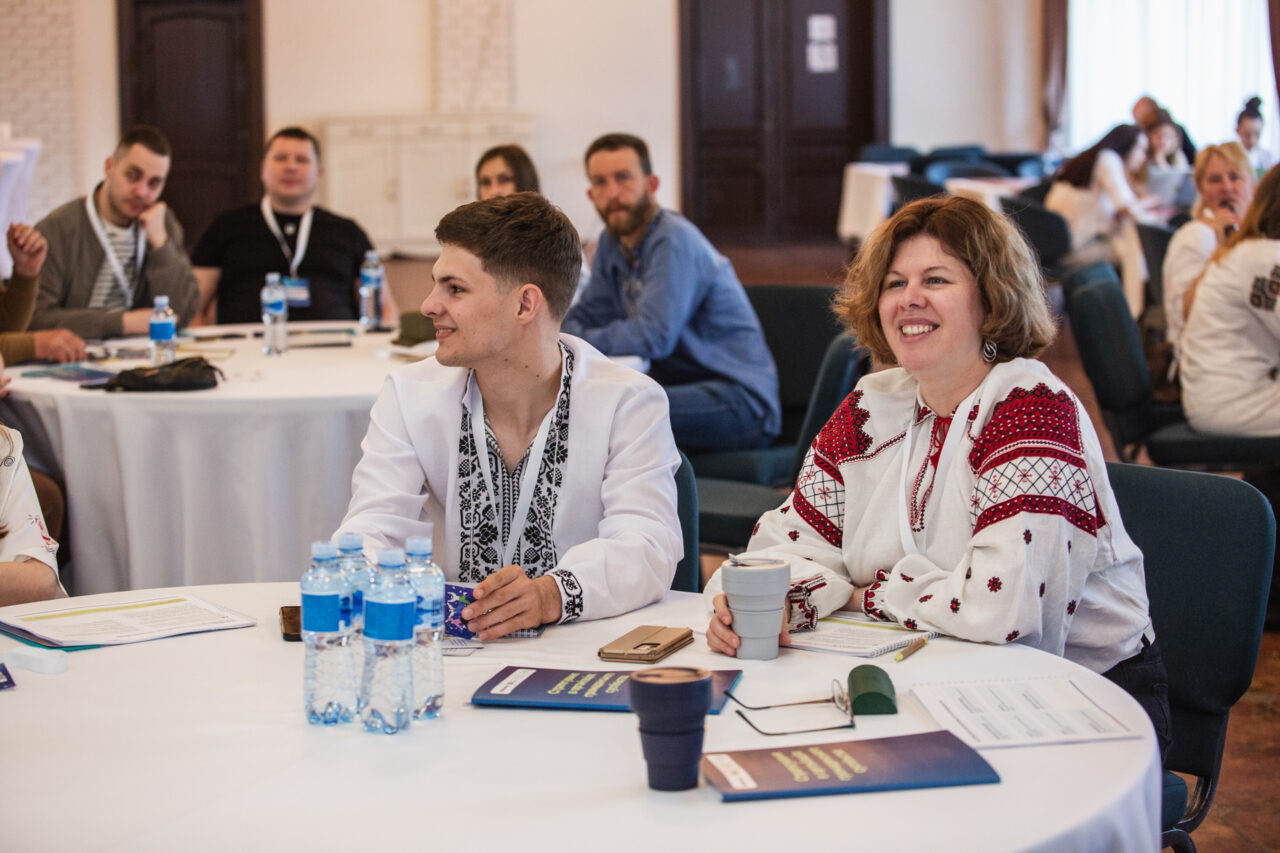

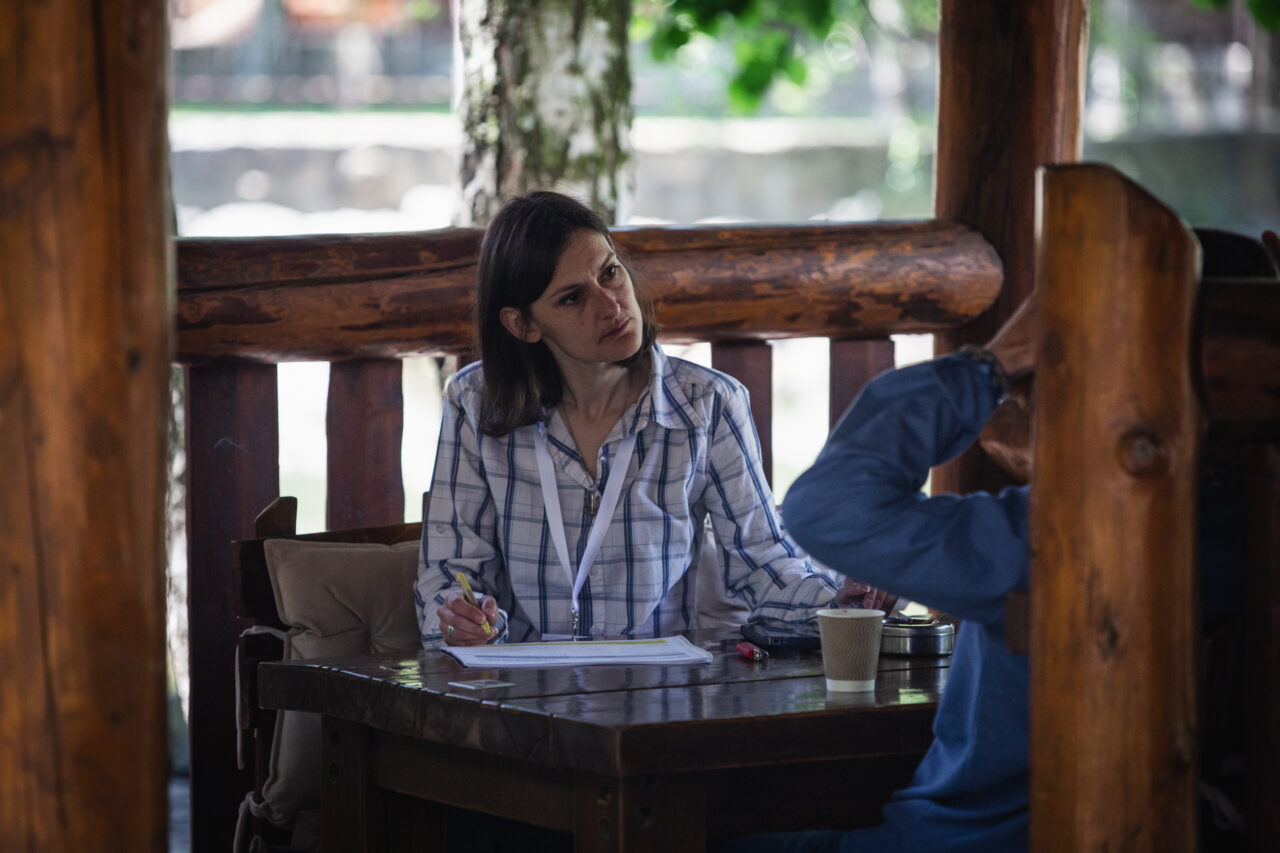
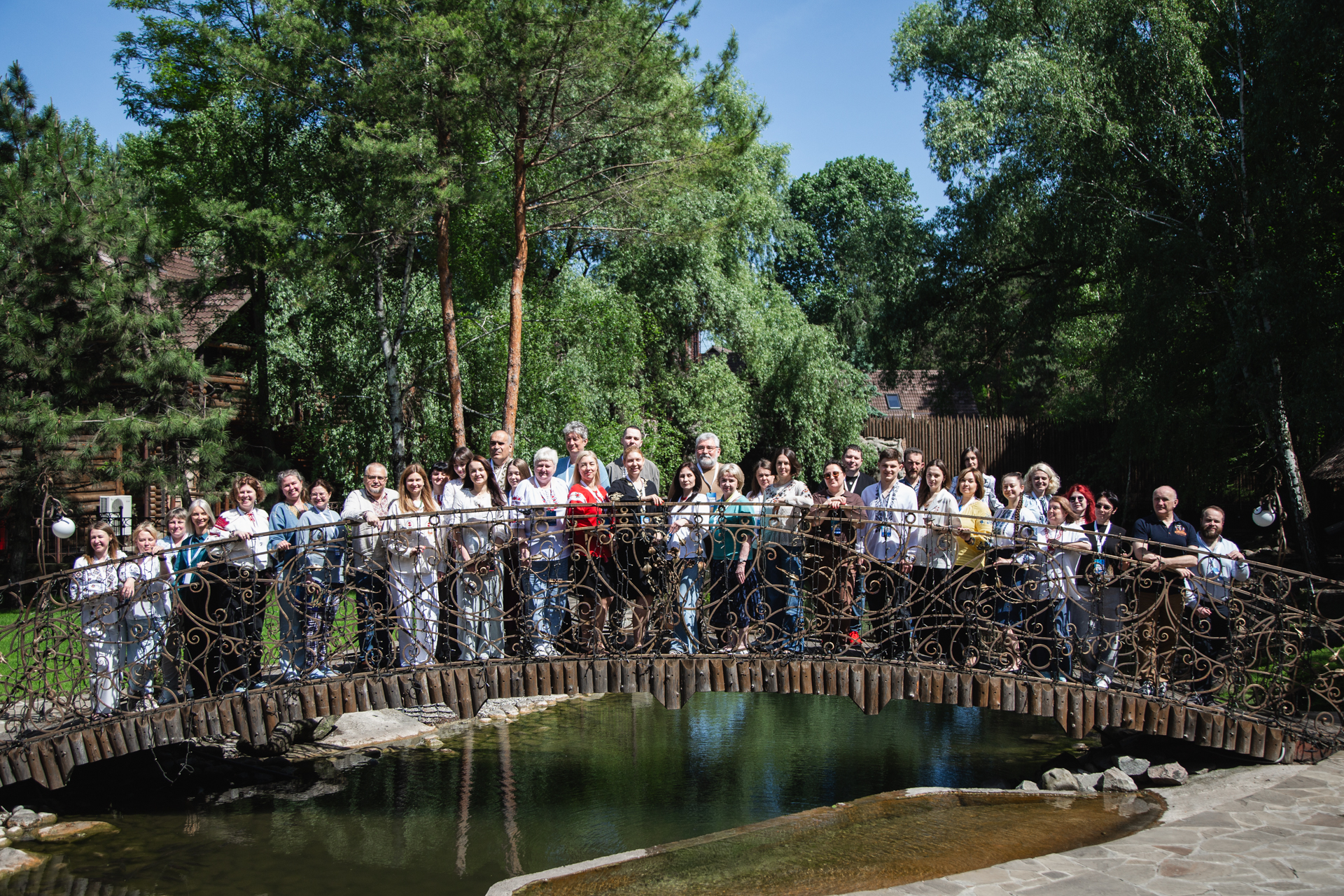
For us, it is important that partners at our meetings receive not only knowledge and tools for work, but also the chance to pause and breathe. Most of them today operate under extremely difficult conditions — helping people, responding to wartime challenges, carrying heavy workloads. That is why we held the workshops in calm, nature‑filled locations, so participants could combine learning with quality rest.
We are happy we can offer our partners not only development opportunities, but also a space for self-reflection, mutual support, and inspiration within the Impulse project.
The Impulse project is implemented by East Europe Foundation and the International Renaissance Foundation, with support from Norway and Sweden.