


Share
Helping communities master digital energy efficiency tools
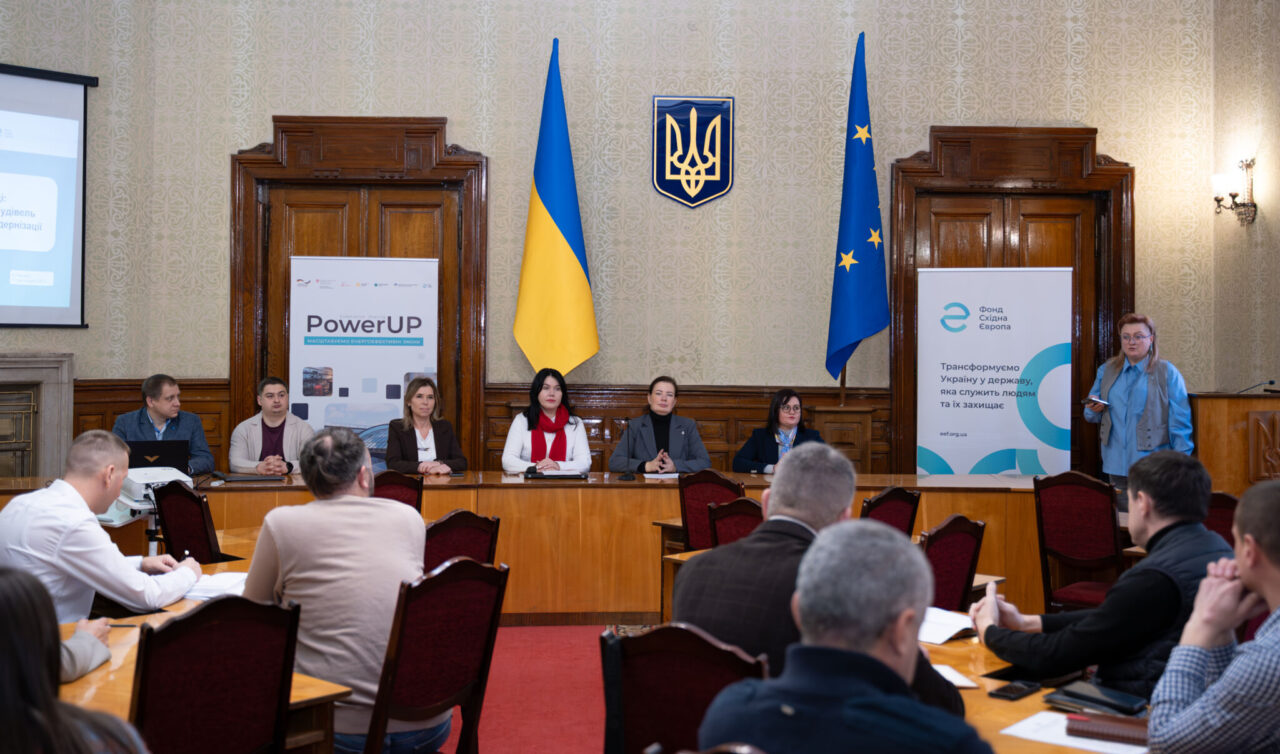
On 27 November, the final seminar on practical energy management and filling in the National Database of Energy and Performance Characteristics of Buildings took place in Chernivtsi.
This marked the end of the regional training tour within the Power Up: Experience Sharing project, which covered six regional centres: Vinnytsia, Poltava, Odesa, Lviv, Ivano-Frankivsk and Chernivtsi.
About 400 representatives of regional and local authorities learned how to work with the National Database of Energy and Performance Characteristics of Buildings. The Database was launched in March 2025 by the Ministry for Development of Communities and Territories of Ukraine to systematically collect and analyse data on energy consumption and the condition of buildings in Ukraine.
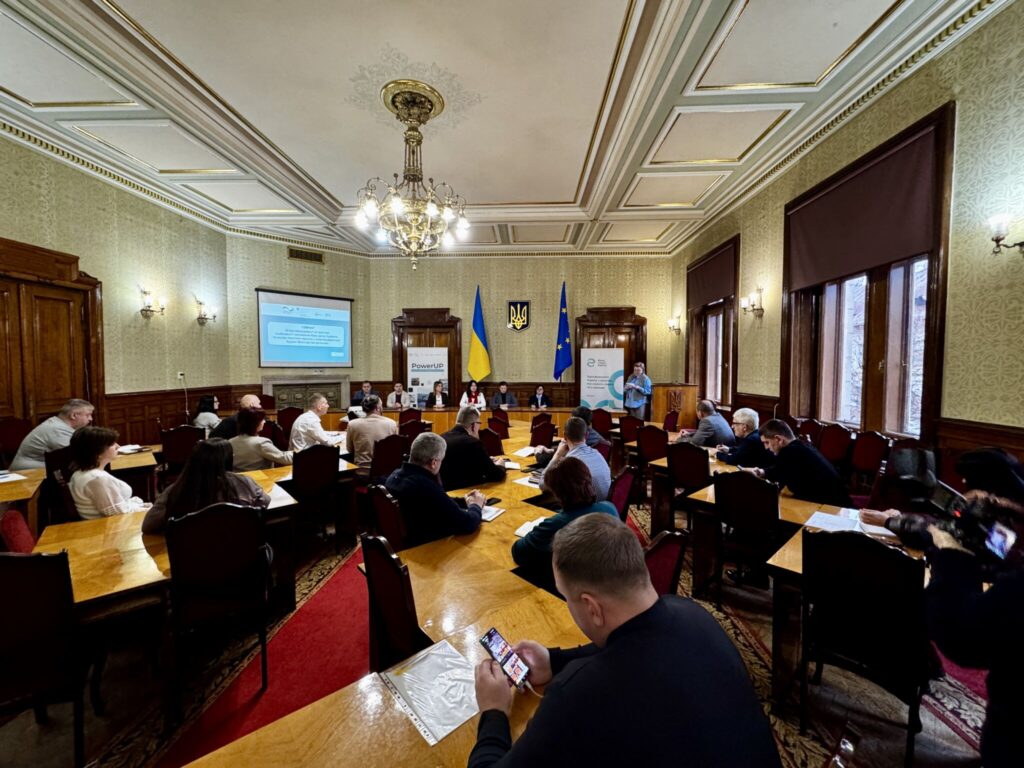
“Our goal was to provide state and local authorities with everything they need to make the data entry process simple and understandable. Thanks to your work, a high-quality data set is being formed, which the state will be able to use to plan thermal modernisation programmes and implement energy management,” said Vira Nedzvedska, Vice President of East Europe Foundation, addressing the participants.
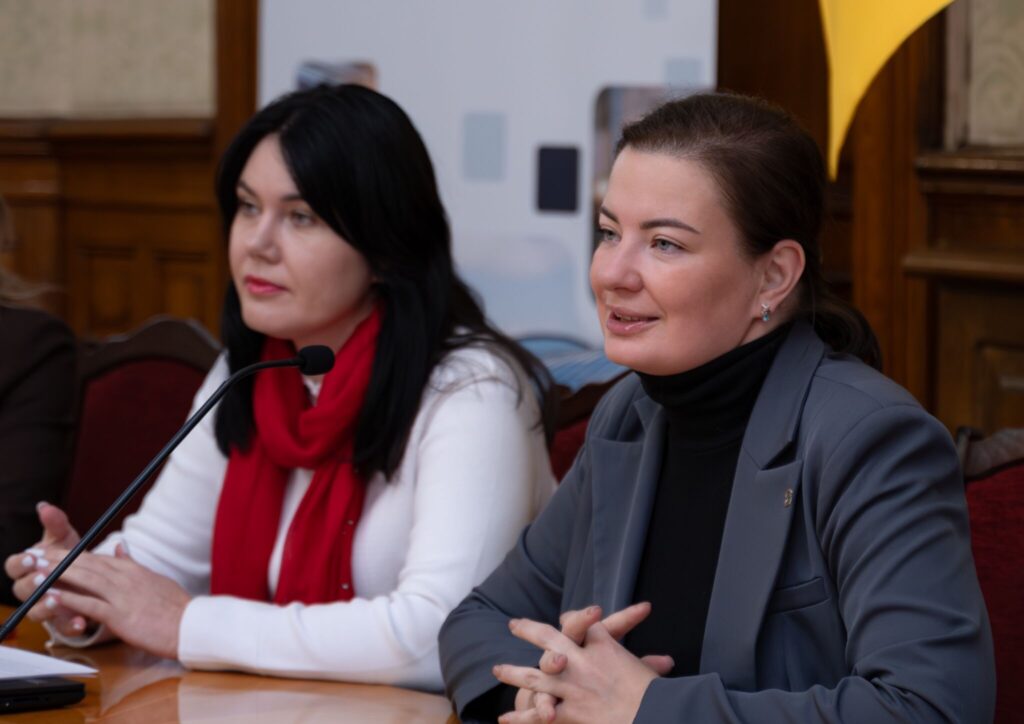
“The launch of the National Database of Buildings is an important step towards the digitalisation of building stock data in Ukraine. Our project supports the Ministry for Development of Communities and Territories of Ukraine in implementing national reforms that will also help Ukraine fulfil its energy efficiency commitments to the European Union,” said Viktoria Shkolna, leader of the national reforms component of the project “Promotion of Energy Efficiency and Implementation of the EU Energy Efficiency Directive in Ukraine”, GIZ Ukraine.
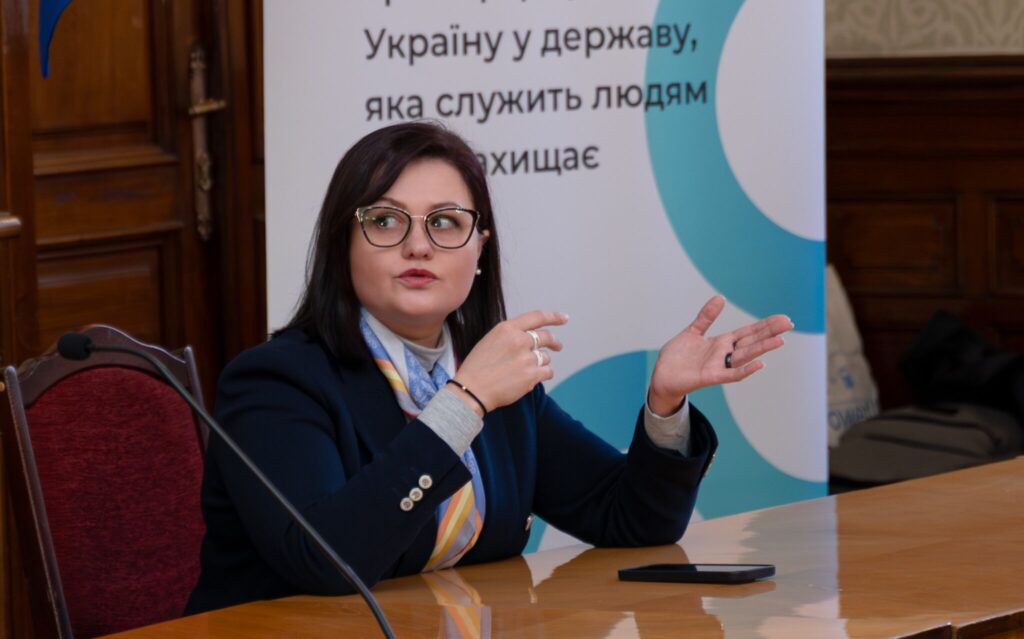
The Database provides the state with access to up-to-date data necessary for planning large-scale thermal modernisation, implementing energy management and using resources more efficiently in urban development. It also plays a key role in monitoring progress towards national energy efficiency targets in the building sector.
Users of the Database include state authorities, enterprises, institutions and organisations in the public sector, as well as executive bodies of village, township and city councils, and local state administrations.
The event also presented the experience and results of the energy modernisation of the Ministry of Finance of Ukraine building, as well as practical guides on energy management for public authorities:
“Effective steps for the implementation of energy management by public authorities”
“Energy modernisation of public buildings: the experience of the Ministry of Finance of Ukraine”
Olga Chepeliuk, advisor of the project “Promotion of Energy Efficiency and Implementation of the EU Energy Efficiency Directive in Ukraine”, GIZ Ukraine, emphasised the importance of conducting gender analysis when planning energy efficiency measures and seeking funding:
“Gender equality is not just about the balanced representation of women and men in your institution. First and foremost, it is about accessibility and the principle of ‘Leave no one behind’. Literally: if you are repairing windows, the handles should be at a height that is convenient for people of any height. Projects that have undergone proper gender analysis are much more likely to receive funding from European donors.”
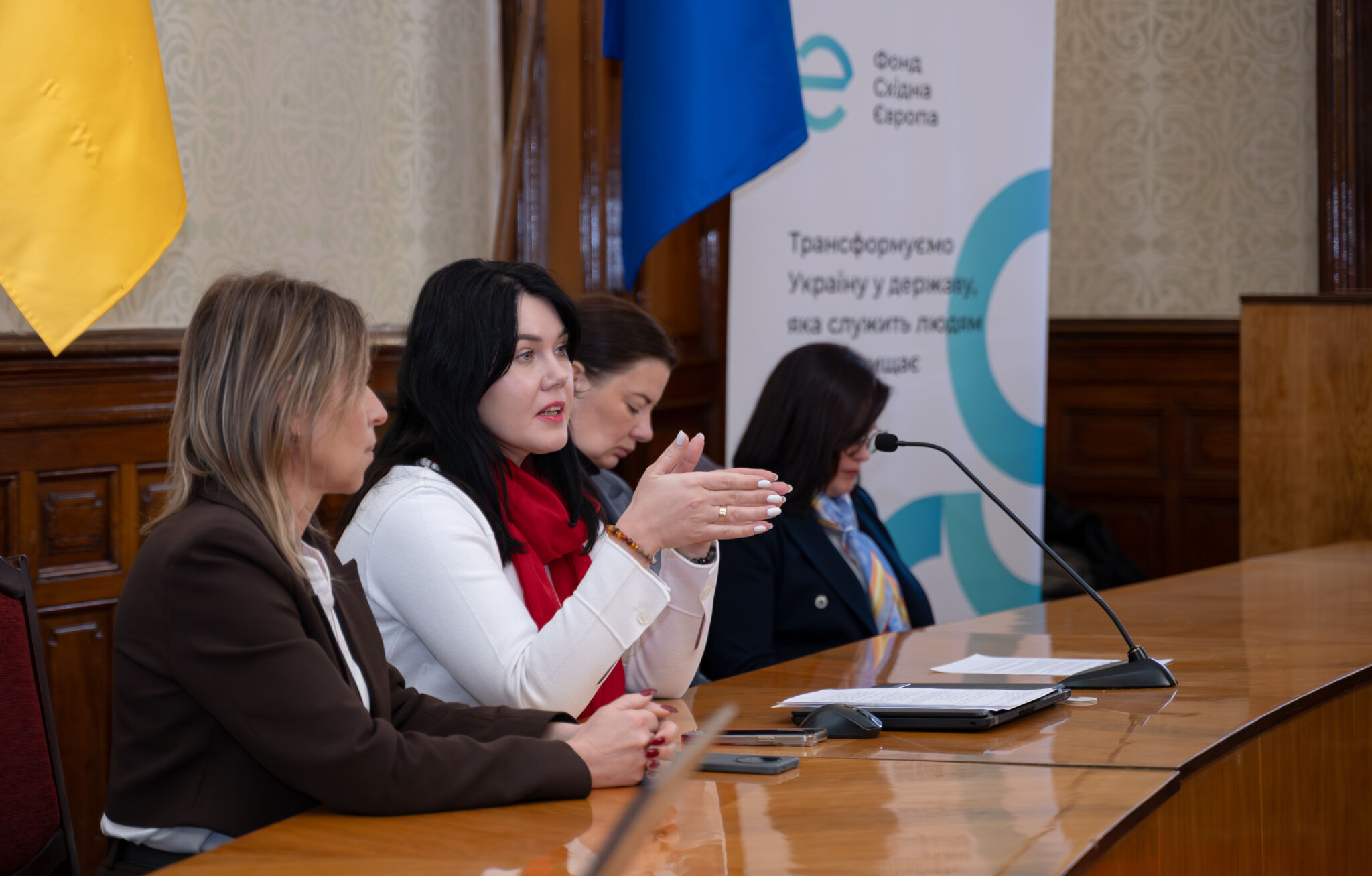
As part of the Power Up: Experience Sharing project, East Europe Foundation disseminates best practices in energy efficiency, supports the operation of the Database of Buildings, and trains public authorities and institutions on how to use the Database and implement an energy management system.
A video tutorial on how to fill in the Database of Buildings is available on the Zrozumilo! online educational platform.
Power Up: Experience Sharing Project implemented by East Europe Foundation with the support of the project “Promotion of Energy Efficiency and Implementation of the EU Energy Efficiency Directive in Ukraine” which is implemented by the Deutsche Gesellschaft für Internationale Zusammenarbeit (GIZ) GmbH on behalf of the Federal Government of Germany and co-funded by the State Secretariat for Economic Affairs (SECO).